How to Transform Your Property With Excavating and Landscaping in Louisa, VA
Improving your property often involves more than planting flowers or updating your lawn. Uneven ground, overgrown areas, damaged driveways, drainage problems, and underused outdoor spaces can all affect how your property looks and functions.
For property owners in Louisa, VA, combining excavation with landscaping improvements can help create a more usable, attractive, and well-planned outdoor environment. Whether you're preparing land for a new project, repairing an existing driveway, improving water flow, or adding a pond, the right approach starts with understanding your property's needs.
G&G Excavating & Landscaping offers services designed to address a variety of property improvement needs. Understanding how these services work together can help you plan your next outdoor project more effectively.
1. Start With Excavating and Land Clearing
Before landscaping or other outdoor improvements can begin, the property may need to be prepared.
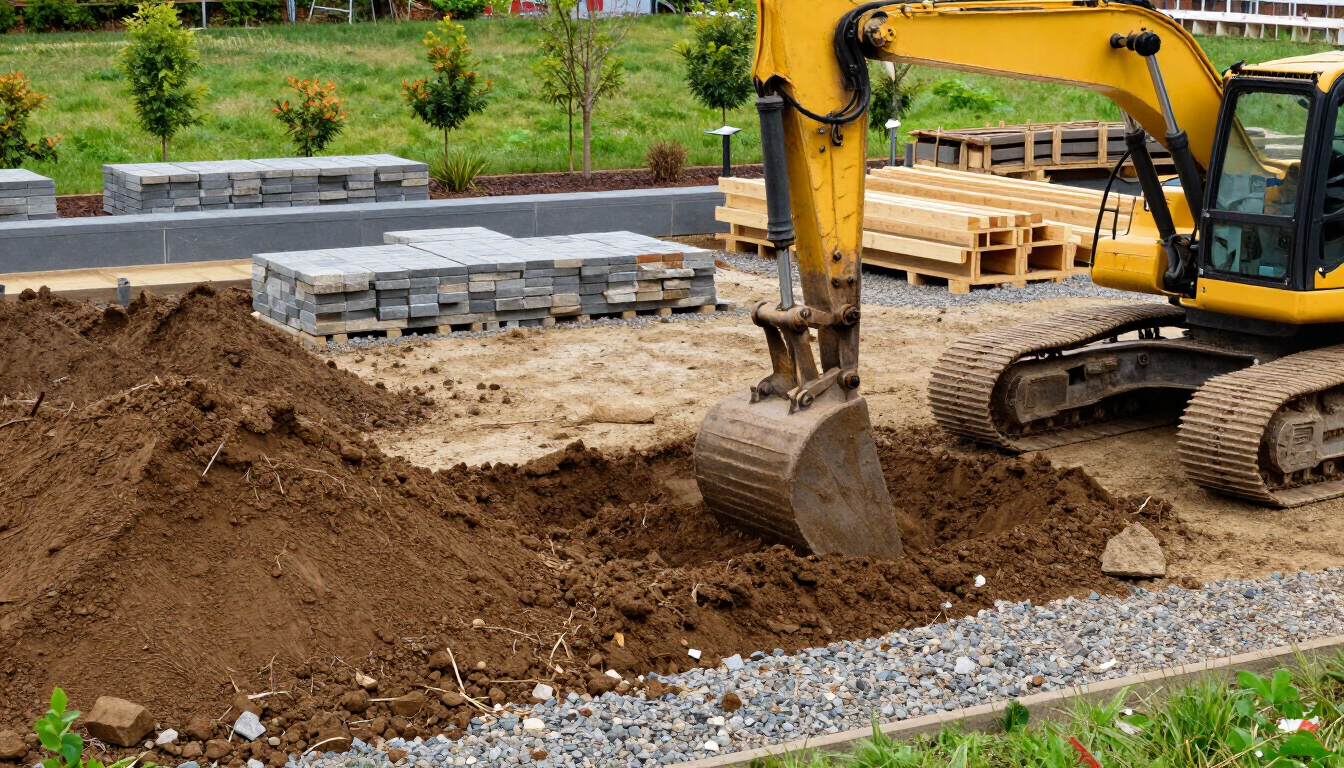
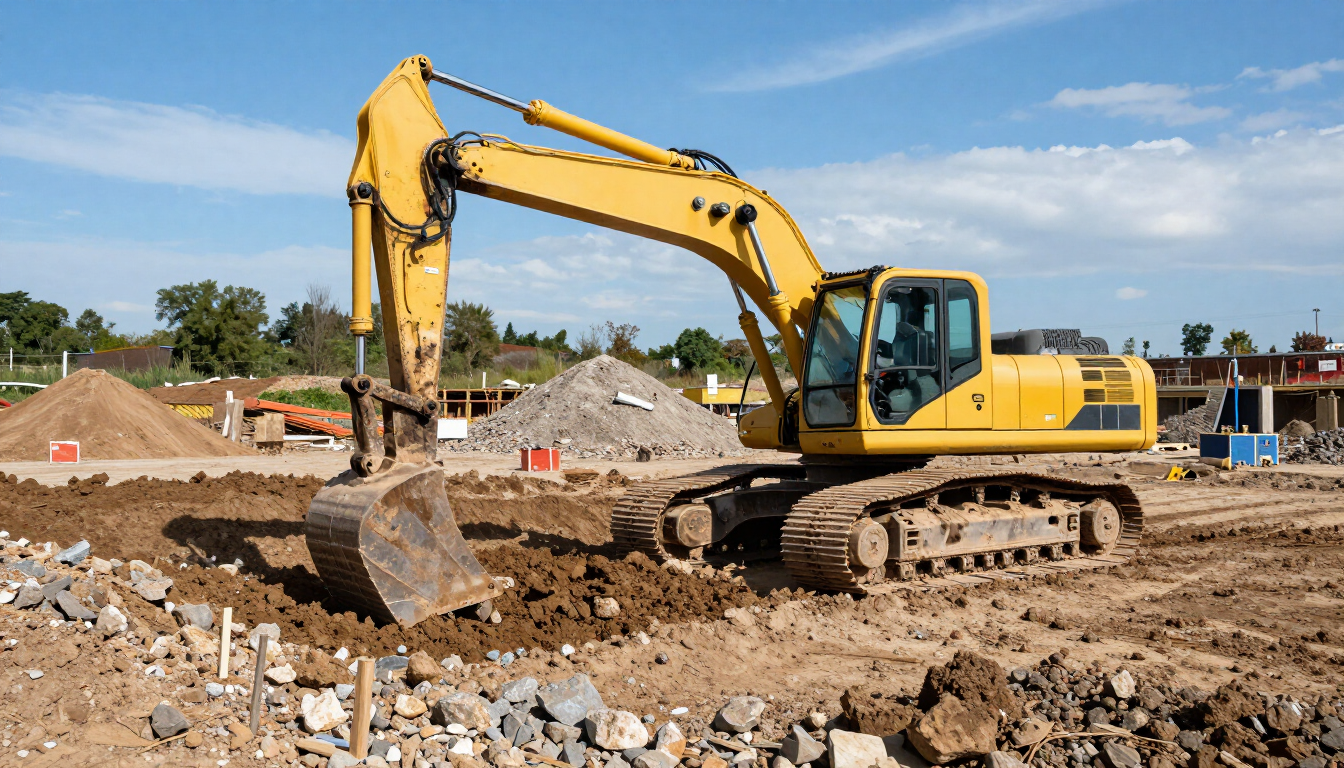
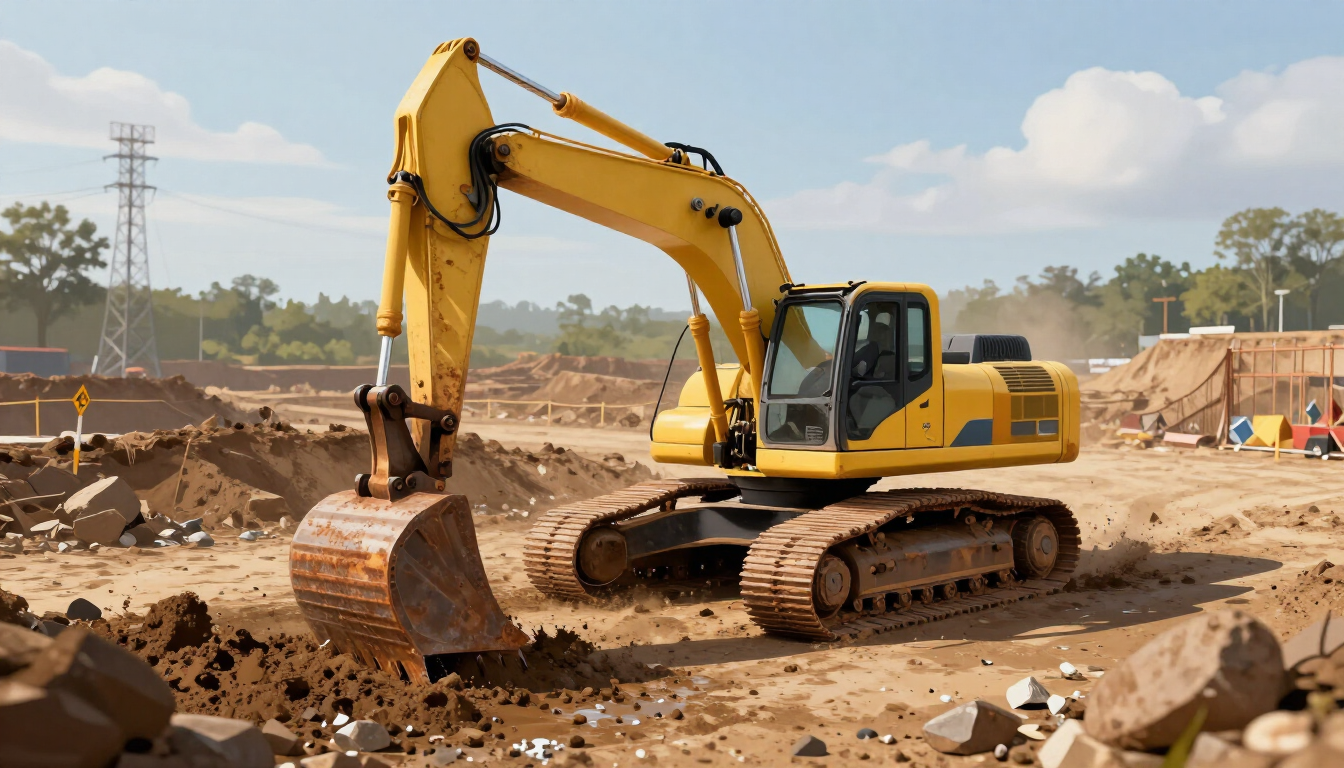
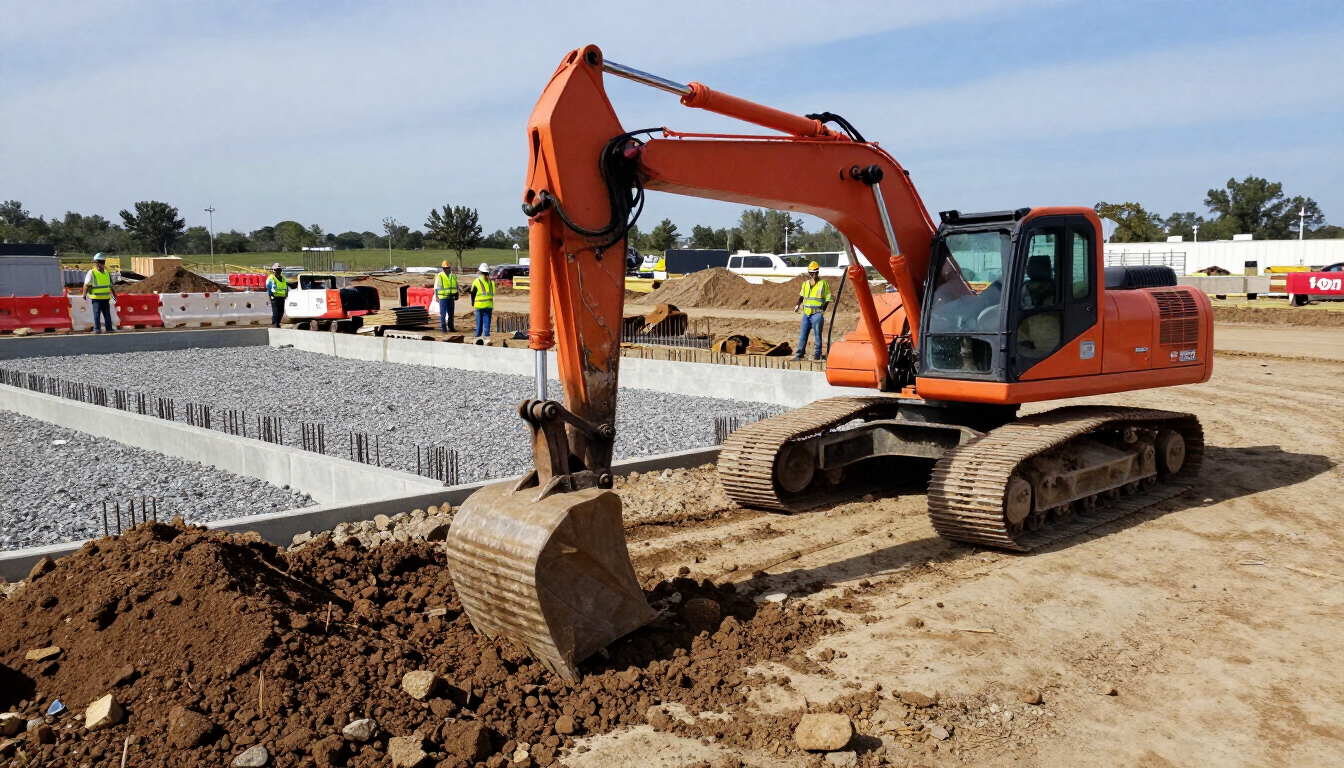
Excavating involves moving soil and other materials to help establish the ground conditions required for a particular project. Depending on the property, this work may support grading, outdoor improvements, drainage projects, or other site preparation needs.
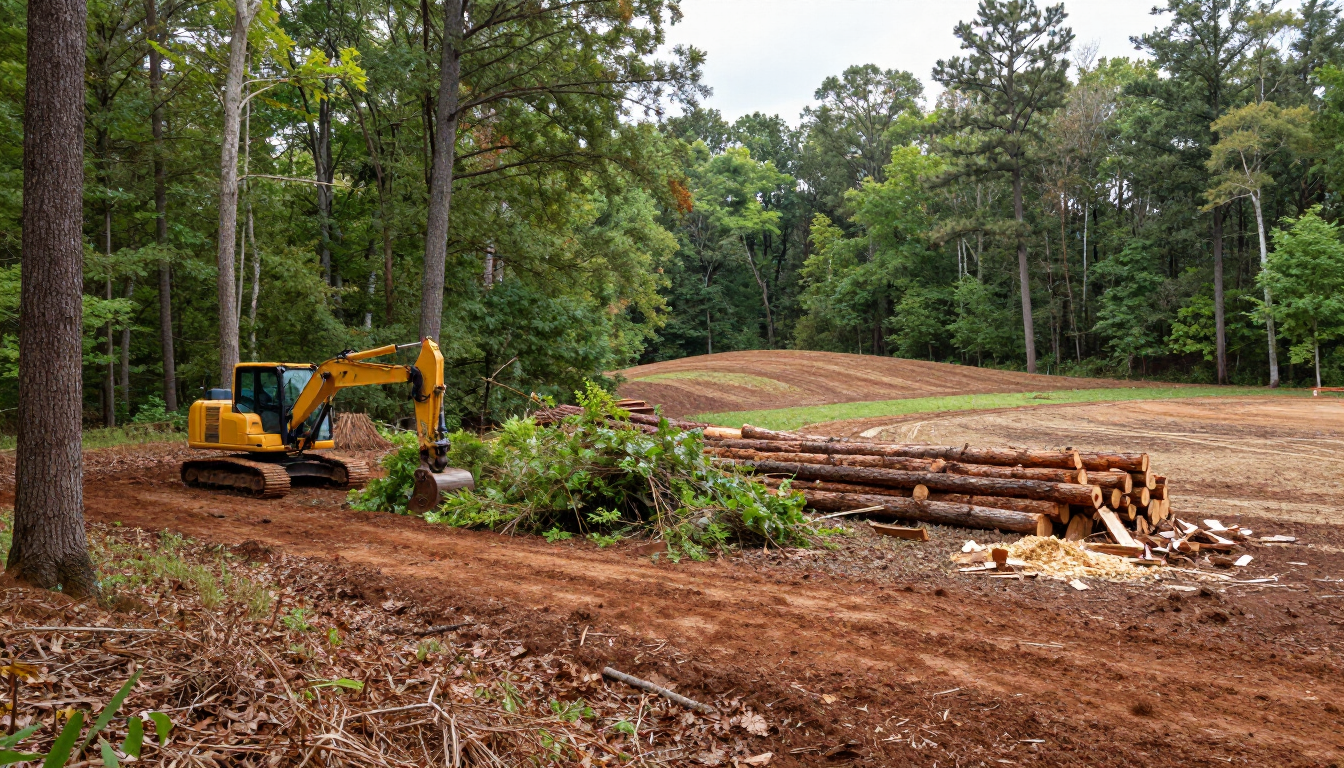
Land clearing focuses on removing unwanted vegetation and other obstacles from a designated area. This can be useful when preparing an overgrown section of land for landscaping or making space for a planned outdoor feature.
Property owners may consider excavation or land clearing when they want to:
- Prepare an area for landscaping.
- Clear overgrown sections of their property.
- Improve access to portions of the land.
- Prepare the ground for a planned outdoor project.
- Address uneven terrain that affects how an area can be used.
Every property has different conditions. Slope, soil type, vegetation, access, and existing structures can influence the preparation required.
Starting with an evaluation of the property helps establish the appropriate scope of work before additional improvements begin.
2. Improve Your Outdoor Space With Professional Landscaping
Landscaping can make a property more attractive while helping homeowners create outdoor spaces that better suit their needs.
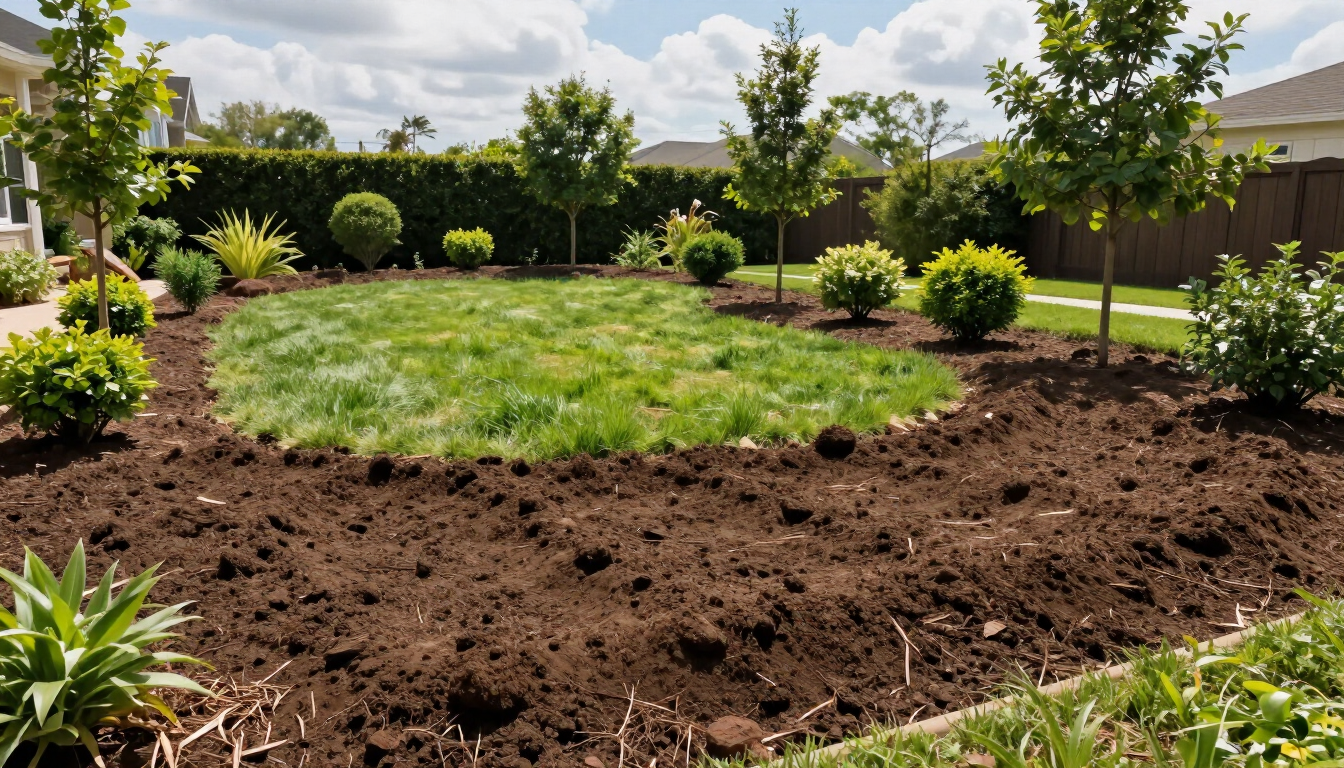
A landscaping project may involve improving the layout of the yard, establishing planting areas, organizing different outdoor zones, or coordinating existing features into a more cohesive design.
Before beginning, think about how you want to use the space.
For example, you might want a more welcoming front yard, a landscaped area around your home, or an outdoor setting that connects different parts of your property.
Consider the following when planning your landscaping project:
- Property layout: Identify areas that need improvement and how they connect.
- Sunlight and shade: Choose plants and landscape features that suit local growing conditions.
- Ground conditions: Consider slope, soil, and existing vegetation.
- Maintenance: Think about the time and effort required to maintain the finished landscape.
- Long-term goals: Plan for how the space may be used in the coming years.
Landscaping works best when the design accounts for the property's existing conditions rather than treating each section of the yard as a separate project.
3. Restore Access With Driveway Repair
A driveway plays an important role in everyday property access. Over time, wear, weather, water movement, and ground conditions can contribute to ruts, uneven areas, potholes, or surface deterioration.
Driveway repair can help address these problems and improve the usability of the driveway.
Before deciding on a repair approach, identify the type and extent of the damage. A shallow rut may require a different solution from a section with recurring erosion or significant surface deterioration.
Important factors to consider include:
- The current condition of the driveway surface.
- Areas where water collects or flows across the driveway.
- Whether the surface has developed ruts or potholes.
- The stability of the underlying material.
- How frequently the driveway is used.
- Whether water drainage is contributing to the damage.
Repeated repairs may not solve the problem if the underlying cause remains unaddressed. For example, water moving across a driveway may continue to wash away material unless the drainage issue is also considered.
A proper evaluation helps determine which repair approach is appropriate for the driveway's condition.
4. Create Functional Outdoor Features With Hardscaping
Hardscaping refers to the nonliving structural elements of a landscape. These features can add definition, improve usability, and help connect different areas of an outdoor space.
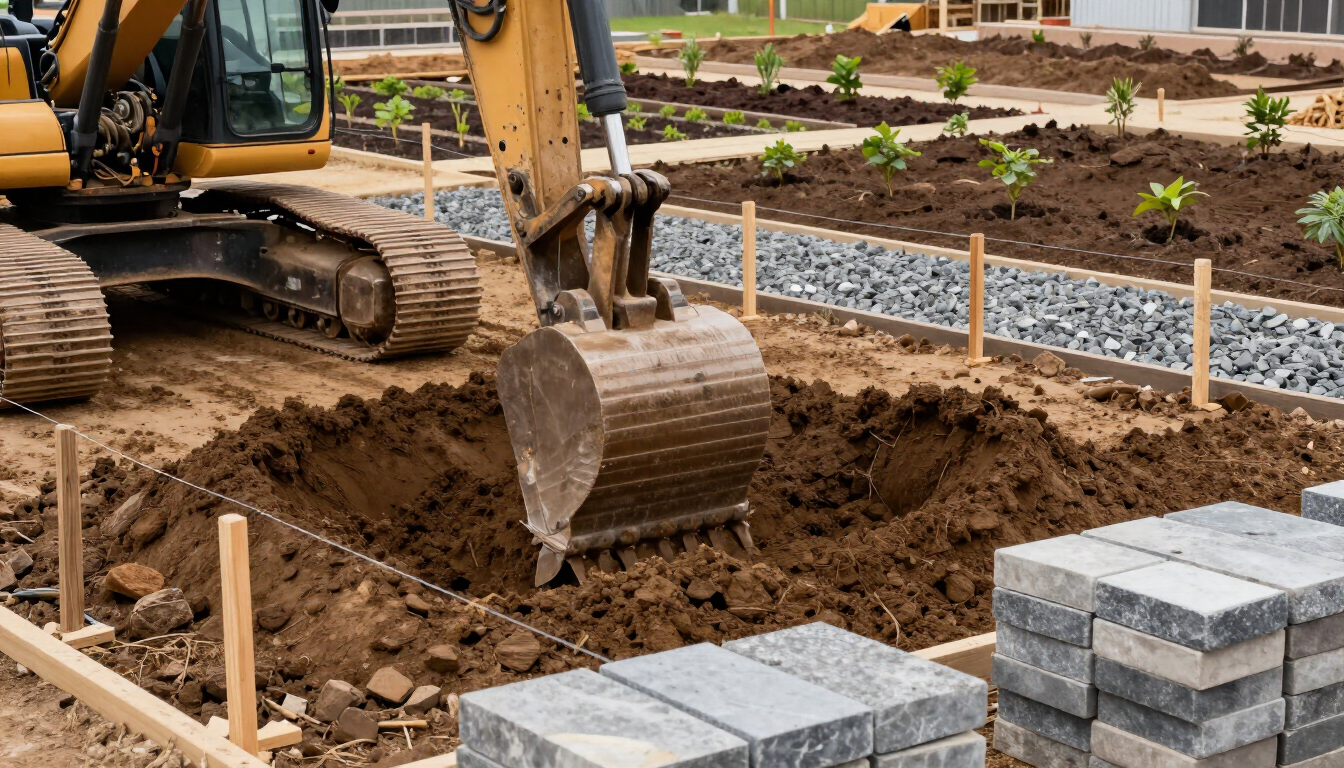
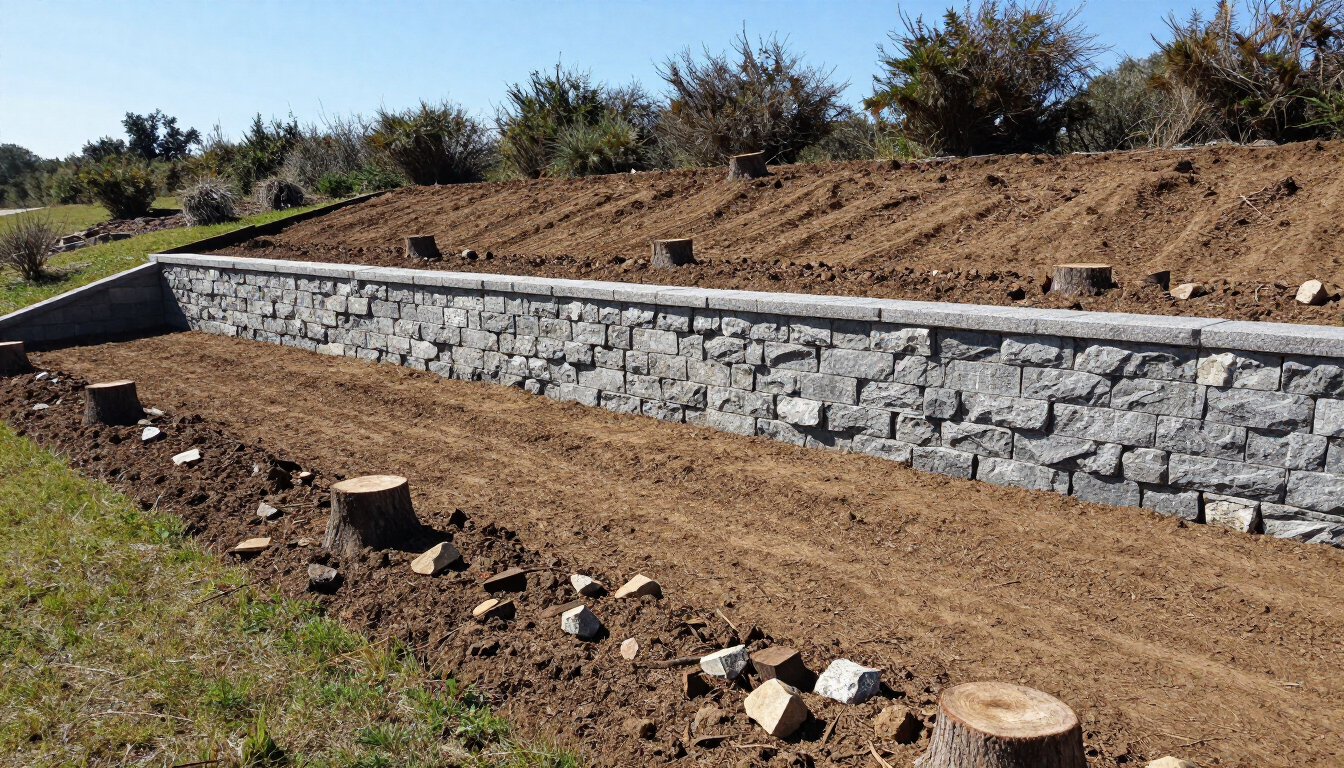
Depending on the project, hardscaping may involve features such as walkways, patios, stone elements, or other constructed landscape components.
A well-planned hardscape can help establish a more organized outdoor layout while complementing the surrounding landscaping.
When planning hardscaping, consider:
- Purpose: Decide whether the feature will support entertaining, access, relaxation, or another use.
- Location: Choose a position that works with the property's layout and natural terrain.
- Materials: Consider appearance, durability, maintenance, and how the materials complement the home.
- Drainage: Plan how rainwater will move around the feature so that it does not create unwanted pooling or runoff.
- Connections: Think about how the hardscape will connect with existing walkways, driveways, planting areas, and other outdoor features.
Coordinating hardscaping with excavation and landscaping can help ensure that the finished project fits the property as a whole.
5. Address Water Problems With Drainage System Installation
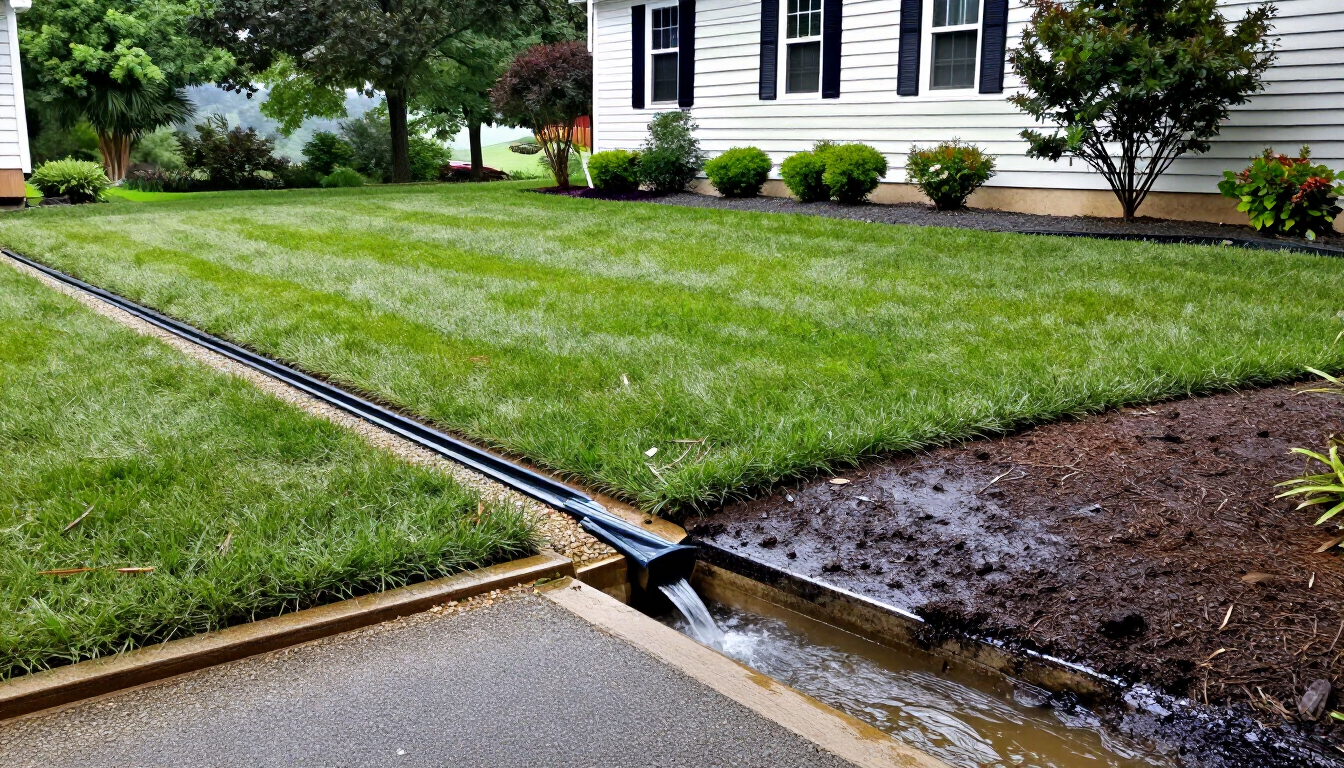
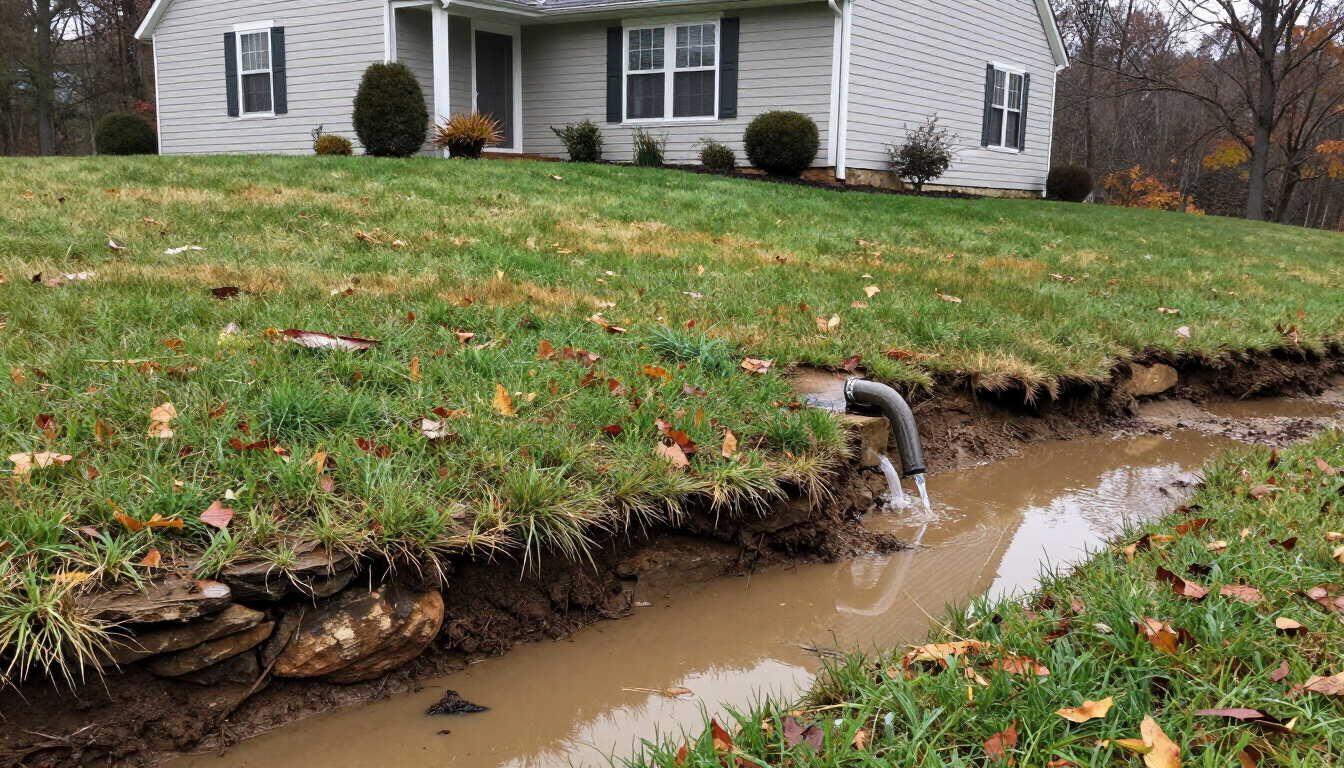
Water management is an important consideration for many properties. Heavy rainfall, sloped ground, compacted soil, or poorly directed runoff can contribute to standing water, erosion, and soggy areas.
A drainage system installation project begins with identifying where water originates, how it travels across the property, and where it collects.
Potential warning signs include:
- Standing water that remains after rainfall.
- Soil erosion along slopes or landscape beds.
- Water moving across driveways.
- Persistently wet areas in the yard.
- Runoff collecting near structures.
- Landscape areas that repeatedly wash out.
The appropriate drainage solution depends on the source of the water and the property's conditions. Possible approaches may involve surface drainage, grading adjustments, or other drainage measures suited to the site.
It is important to consider where collected water will be directed. Moving water away from one area should not create problems elsewhere on the property or direct runoff onto neighboring land.
For property owners in Louisa, VA, addressing drainage as part of an overall property improvement plan can help protect the usability of outdoor spaces and reduce recurring water-related problems.
6. Add a Pond to Enhance Your Landscape
A pond can become a distinctive feature of a residential or rural property. Depending on its design and placement, it may serve as a visual focal point and complement the surrounding landscape.
However, pond projects require careful planning before excavation begins.
Consider the following factors:
- Location: Choose an area that works with the property's layout and intended use.
- Ground conditions: Soil characteristics and site conditions can influence construction requirements.
- Water management: Consider the source of water, runoff patterns, and how water levels will be managed.
- Safety: Account for children, pets, visitors, and access around the pond.
- Maintenance: Understand the ongoing care needed to maintain water quality and the surrounding area.
- Local requirements: Determine whether permits, environmental reviews, or other approvals are required.
The size and intended purpose of the pond will influence the planning process. A decorative landscape pond may have different requirements from a larger pond intended for other uses.
Because excavation and water management are closely connected in pond construction, evaluating the site before work begins is an important step toward a suitable design.
7. Plan Your Property Improvements as One Connected Project
One of the most effective ways to approach property improvements is to consider how the different services fit together.
For example, an overgrown area may need land clearing before excavation and landscaping can begin. A driveway repair project may also require attention to drainage if water is contributing to the damage. A pond may require excavation and careful consideration of the surrounding landscape.
Planning these elements together can help reduce conflicts between different parts of the project.
Before starting, establish your priorities:
- Identify the main problems you want to solve.
- Determine which areas require clearing or excavation.
- Address relevant grading and drainage considerations.
- Plan the driveway, hardscaping, pond, or landscaping improvements.
- Confirm the project scope, site requirements, and applicable approvals.
Not every property needs all these services. The right combination depends on the land, your goals, and your budget.
A clear plan helps you focus on the improvements that will make the most meaningful difference to your property.
Improve Your Property With G&G Excavating & Landscaping in Louisa, VA
A successful property improvement project starts with understanding the land and how you want to use it. From excavation and land clearing to driveway repair, hardscaping, drainage system installation, landscaping, and ponds, each service can contribute to a more functional outdoor environment when planned appropriately.
The key is to address the property's existing conditions before deciding on the final improvements.
G&G Excavating & Landscaping serves property owners in Louisa, VA, who are planning outdoor and site improvement projects.
Ready to improve your property? Contact G&G Excavating & Landscaping to discuss your project goals and determine which services may be appropriate for your land.