
Blog

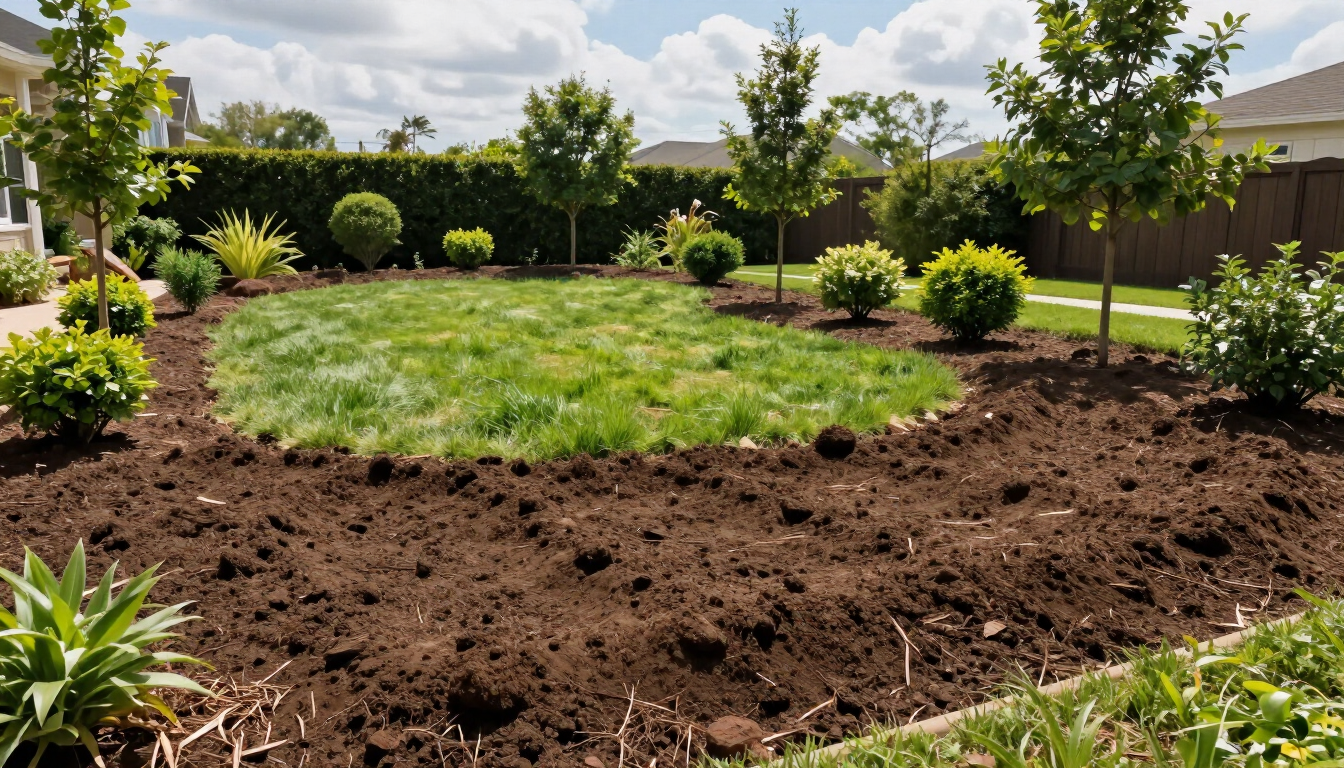
If you own property in Central Virginia, you know that the natural landscape is breathtaking. However, managing that land can be a massive challenge. Whether you are dealing with a steep, unusable slope, a washed-out gravel driveway after a heavy spring rain, or standing water threatening your home’s foundation, raw land requires professional taming. Many property owners try to tackle drainage issues or brush clearing with rented equipment, only to realize that moving earth is dangerous, highly technical work that requires heavy-duty machinery and decades of expertise. To truly protect and elevate your property, you need a contractor who understands the local soil, grading principles, and the art of outdoor design. G&G Excavating & Landscaping is your trusted local expert for dependable excavation, landscaping, and outdoor property improvements. Backed by more than 23 years of hands-on experience, our team delivers quality workmanship for residential and commercial projects of all sizes. If you are a property owner in Orange, Louisa, Madison, Mitchells, or Culpeper, this comprehensive guide will walk you through the essential phases of transforming your land.

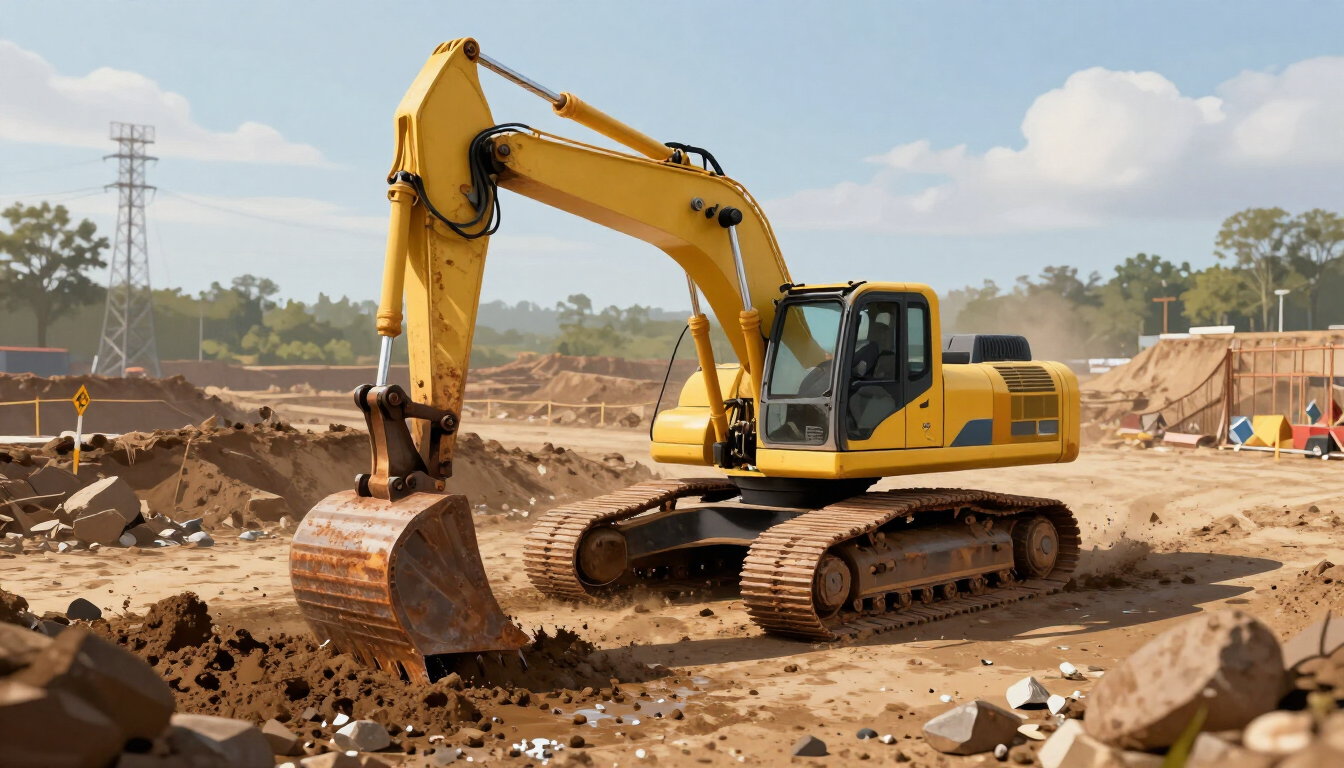
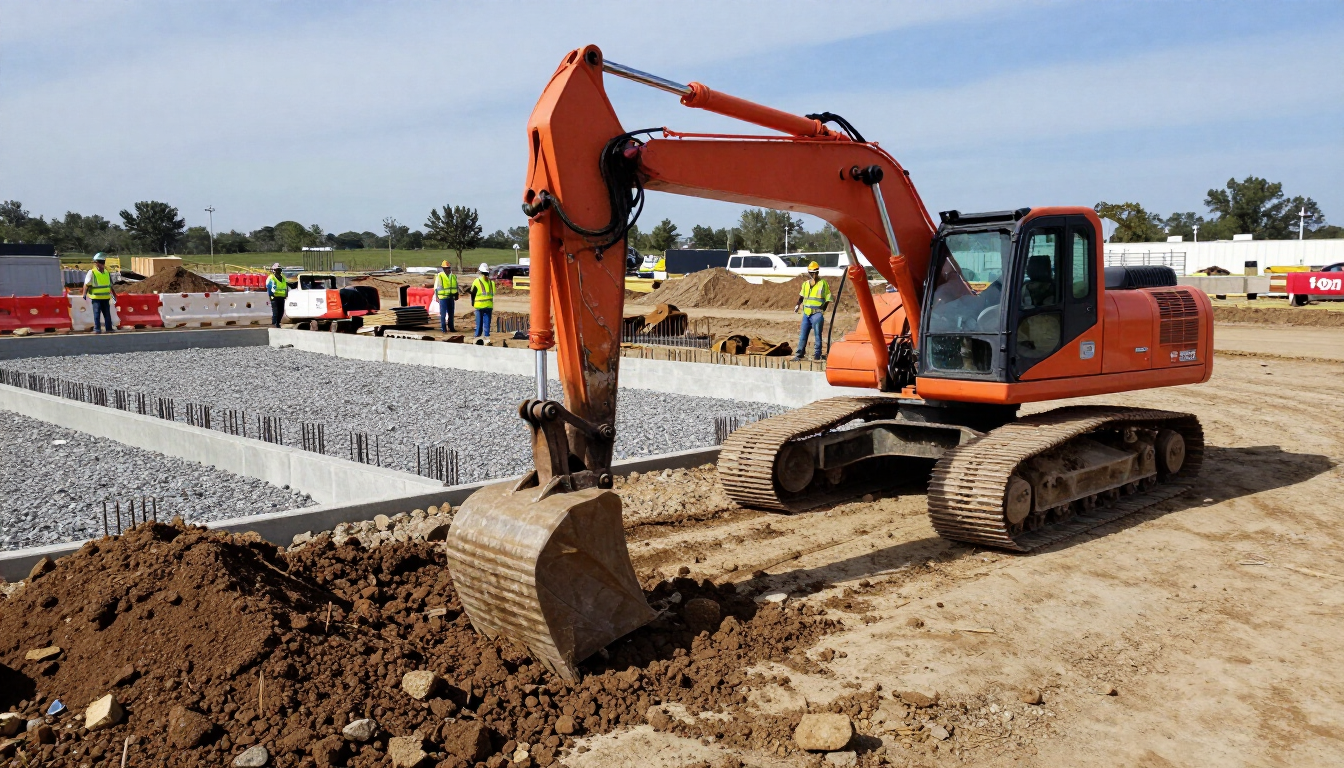
When you look at a beautiful custom home in the countryside of Louisa or Orange, you admire the siding, the roofline, and the front porch. But if you could look through the grass and dirt with X-ray vision, you would see a complex network of pipes, wires, and concrete that keeps that home alive. This is the "invisible infrastructure." At G&G Excavating , we spend most of our time working below the surface. Before the first 2x4 is nailed up, we are on-site digging the foundation. Before the toilets can flush, we are installing the septic system. Before the lights turn on, we are trenching the power lines. If this underground work is done poorly, the most expensive house in the world is worthless. In this guide, we are going to take you underground to explain the "Big Three" of excavation: Footings, Septic Systems, and Utilities.

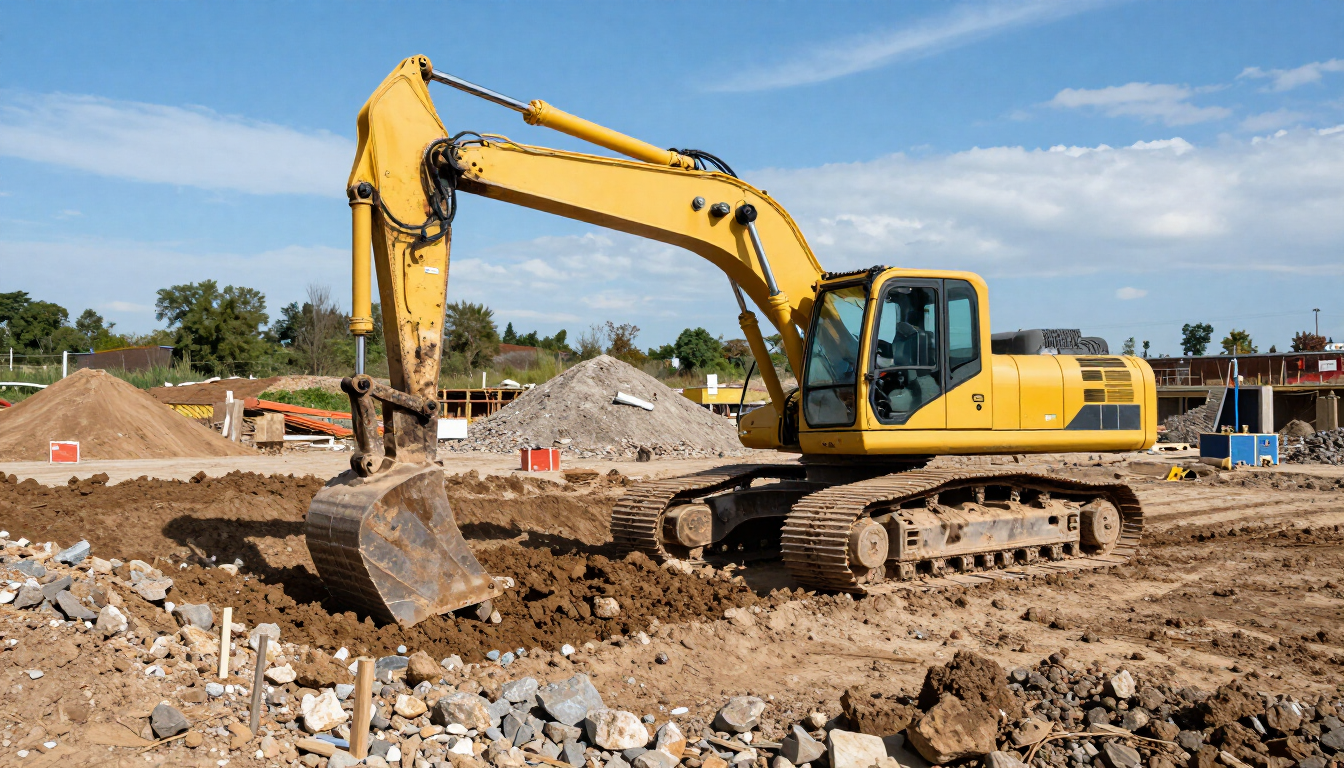
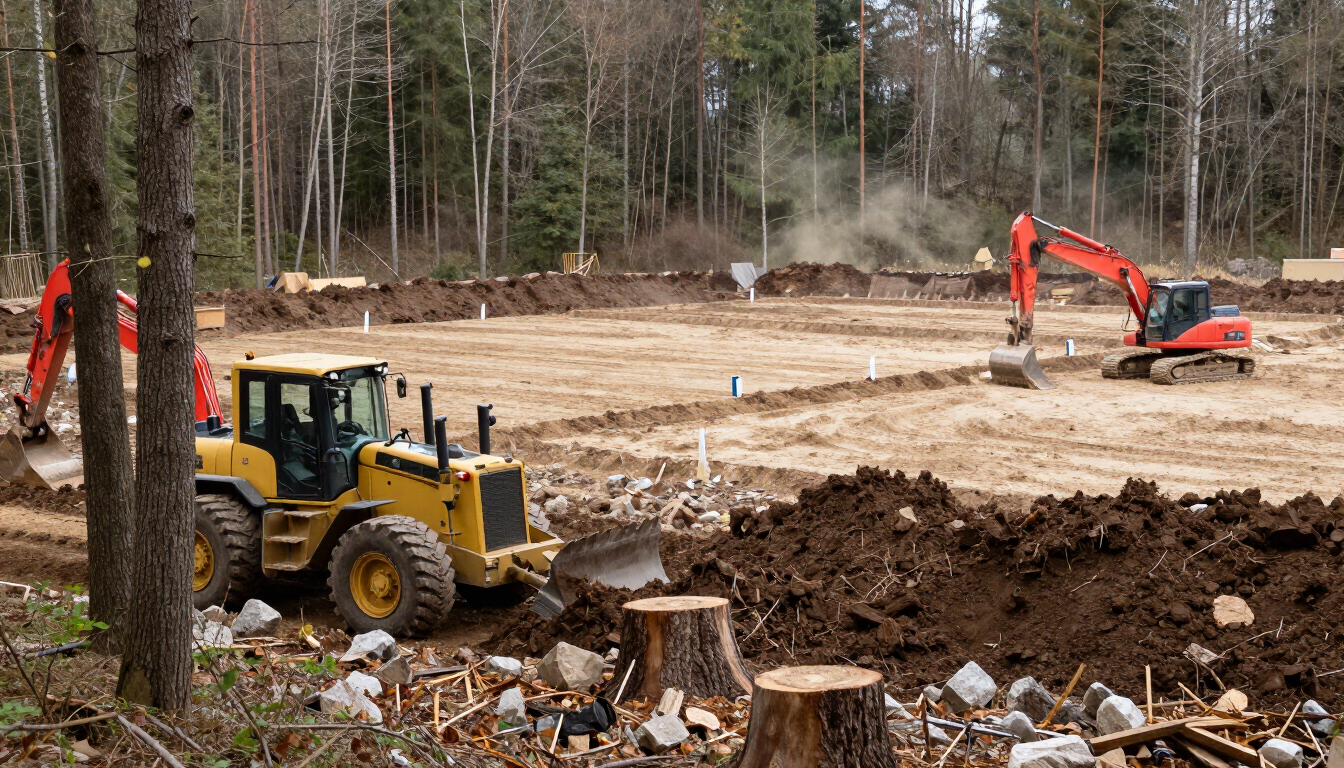
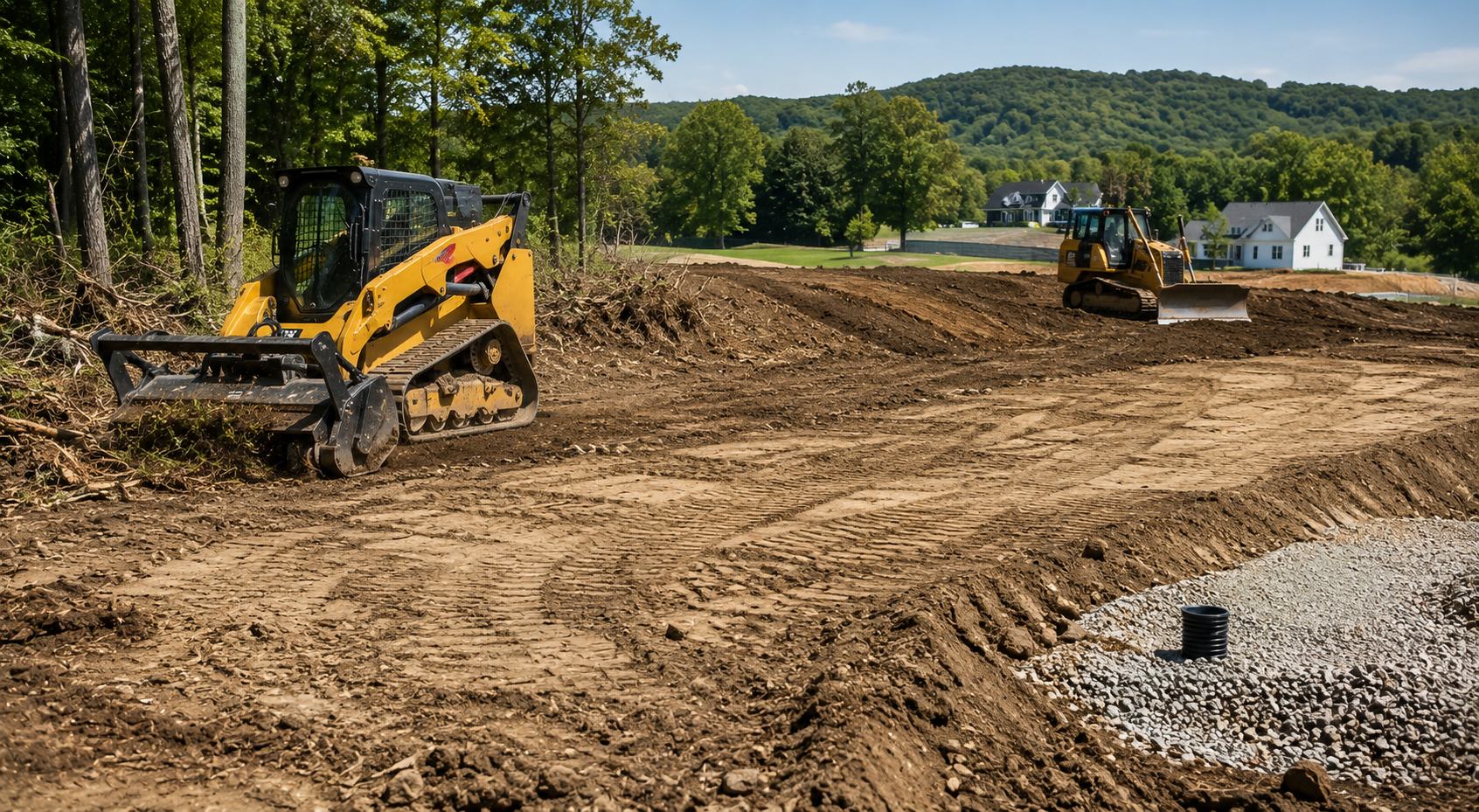
Central Virginia is beautiful. We have rolling hills, dense hardwood forests, and plenty of open space. It is the perfect place to buy a few acres and build your dream home, a hunting cabin, or a new pole barn. But when you stand on that raw piece of land in Louisa, Madison, or Orange, you aren't looking at a "homesite" yet. You are looking at nature. You see tangles of briars, towering oaks, uneven terrain, and maybe a rocky outcrop or two. How do you get from that to a smooth, flat pad ready for a concrete foundation? The answer is Professional Land Clearing and Site Preparation. This is the most critical phase of construction. If the land isn't cleared and graded correctly, your foundation will fail, your basement will flood, and your budget will explode. At G&G Excavating, we are the first boots on the ground. We turn raw land into buildable sites. In this comprehensive guide, we will walk you through the heavy-duty process of site prep, including: The Planning Phase: Permits, limits, and "saving" the right trees. Clearing Methods: Forestry Mulching vs. Bulldozing. The Stump Problem: Why you never bury stumps under a house. Water Management: Erosion control and silt fences. Final Grading: Creating the perfect canvas for your builder.

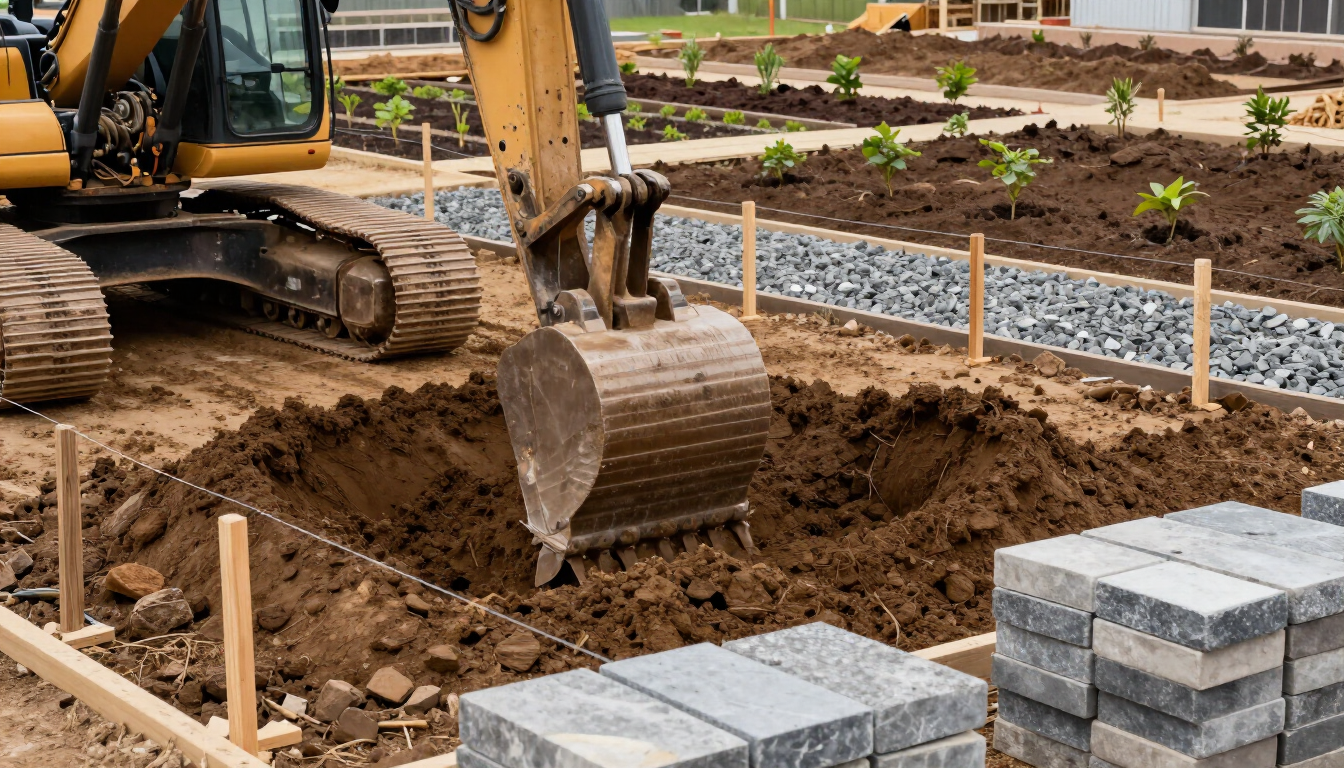
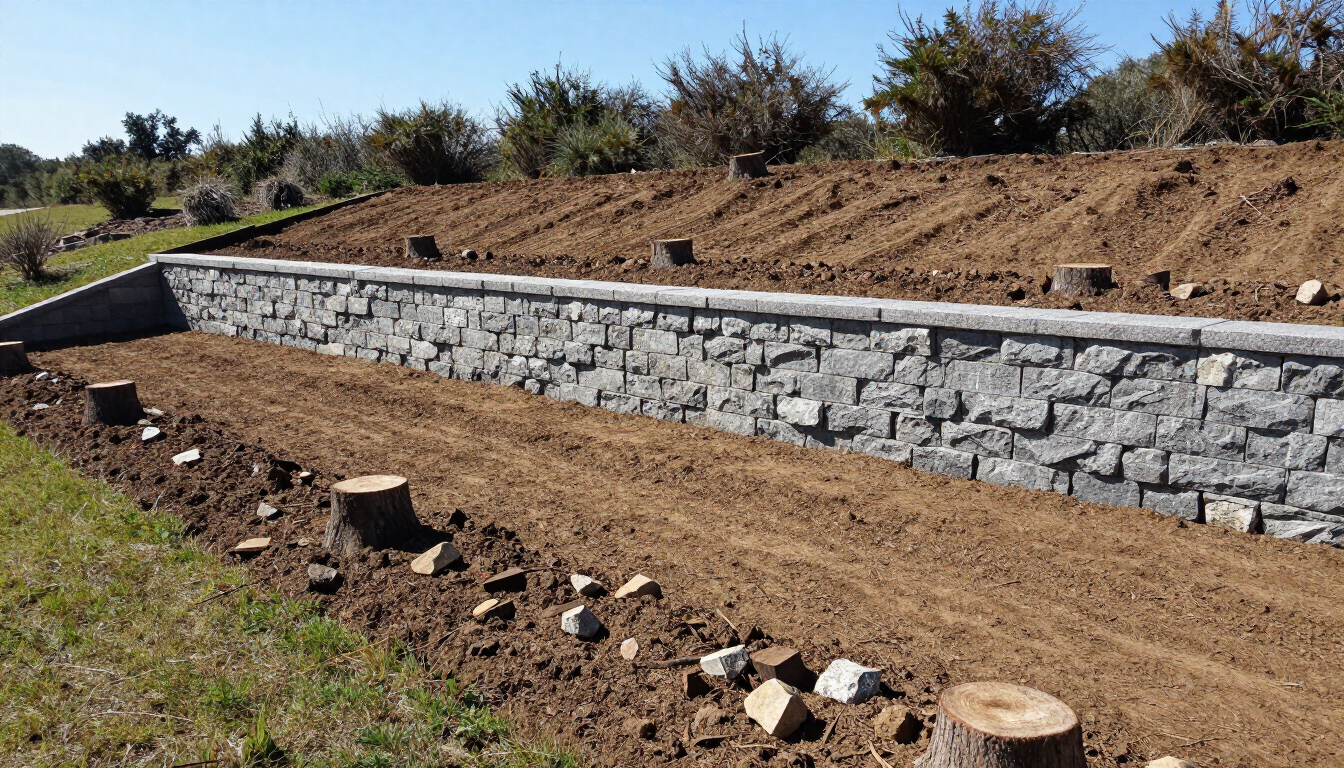
When most homeowners in Central Virginia think about upgrading their outdoor spaces, their minds naturally go straight to beautiful custom patios, lush landscaping, or perhaps a new decorative pond. While these features undoubtedly add incredible value and enjoyment to your home, they all rely on one fundamental, often-overlooked element: proper land grading and drainage. Whether you live in Culpeper, Orange, Louisa, Madison, or Mitchells, VA, dealing with heavy seasonal rains and sudden thaws is just a part of life. Without a strategic plan to manage that water, your property is at serious risk. At G&G Excavating & Landscaping, we have spent over 23 years helping local property owners protect their investments through expert excavation, precise land grading, and custom drainage system installations. Here is why managing your property's water flow is the most important landscaping decision you will ever make.

If you live in Louisa, Orange, or Madison, you know the drill. Winter in Central Virginia is tough on gravel driveways. We get a cycle of freezing nights and thawing days, mixed with heavy rain and occasional snow. By the time February and March roll around, your once-smooth driveway likely looks like a battlefield. You’re dealing with: Deep Potholes: That rattle your teeth every time you leave the house. The "Mud Pit": Soft spots where your tires sink in. Washboards: Those annoying ripples that shake your suspension. The Vanishing Gravel: Stone that has seemingly disappeared into the mud or washed into the ditch. Many homeowners think the solution is simple: "I'll just call someone to dump a fresh load of rock on top." At G&G Excavating & Landscaping, we are here to save you money by telling you: Stop buying gravel for a broken driveway. Dumping fresh stone on a bad base is like putting a band-aid on a broken bone. It might look good for a week, but the first spring storm will wash it right back out. In this guide, we’ll explain why your driveway failed this winter and how our professional grading and drainage services can fix it for good.

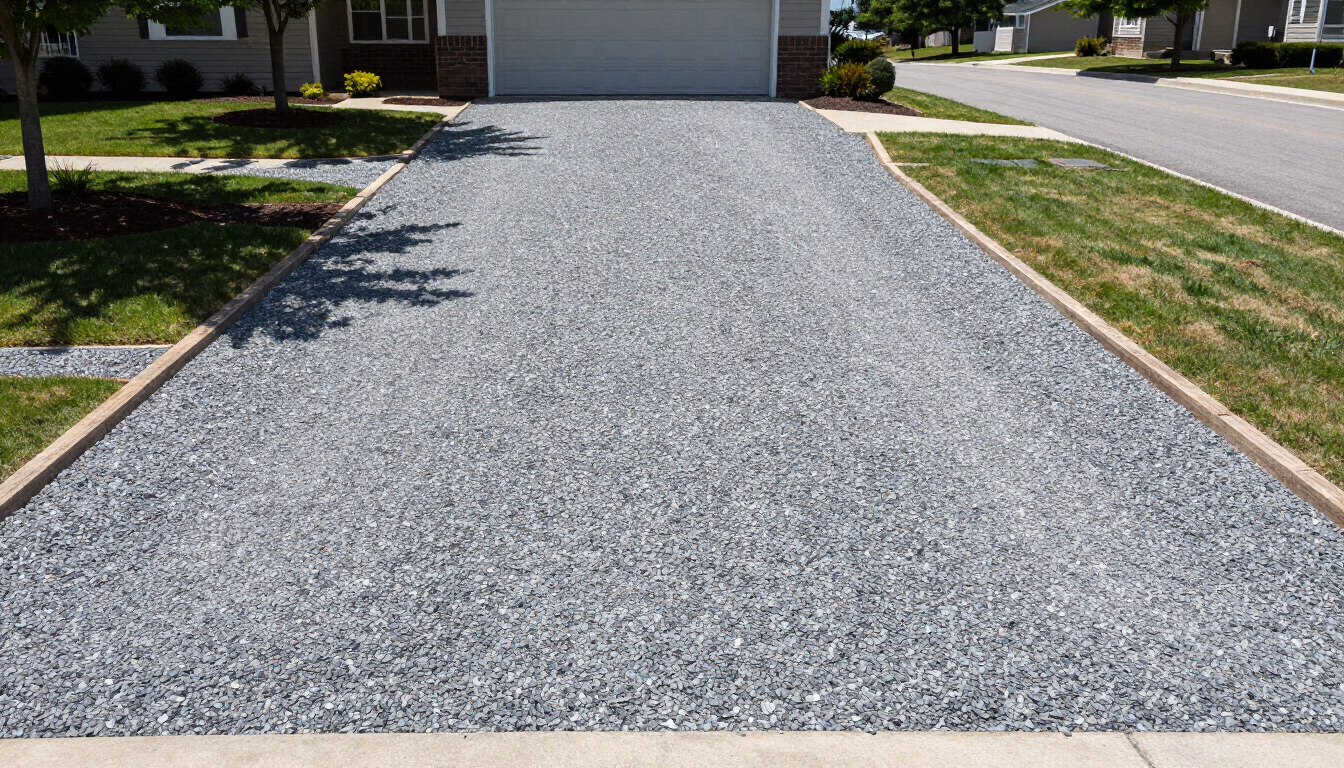
If you live in Central Virginia—whether it’s on a farm in Louisa, a wooded lot in Madison, or a subdivision in Orange—you likely have a gravel driveway. When built correctly, a gravel driveway is a durable, cost-effective, and aesthetically pleasing entrance to your home. It fits the rural character of our region perfectly. But for many homeowners, the driveway is a constant source of stress. It develops deep potholes that rattle your teeth every time you leave the house. It develops "washboard" ripples that ruin your suspension. And every time we get a heavy thunderstorm, expensive gravel washes down the hill and into the ditch. At G&G Excavating & Landscaping, we receive calls every week from frustrated homeowners asking, "Can you just bring a truckload of stone and fill these holes?" We can, but we usually advise against it. Why? Because dumping stone on a bad driveway is like putting a fresh coat of paint on a rotting fence. It looks good for a week, and then the problems return. In this comprehensive guide, we are going to explain the science of road building. We will cover: The "Pothole Memory": Why holes come back in the exact same spot. The Anatomy of a Road: Why the base matters more than the top. Water Management: The vital role of the "Crown" and the Culvert. Stone Selection: When to use Crusher Run vs. #57 Stone. The Maintenance Cycle: How to save money in the long run.

If you live in a rural area like Louisa, Madison, or Orange, you know the struggle of the "Winter Driveway." The constant cycle of freezing at night, thawing during the day, and rain in between turns gravel roads into a mess of potholes, ruts, and washboards. At G&G Excavating, we get calls every week from homeowners asking, "Can you just bring a truckload of gravel and dump it in the holes?" The honest answer? We could, but you’ll be calling us back in two weeks. Here is why "spot-fixing" doesn't work and how we handle driveway repair the right way (the permanent way).