
How to Fix Your Gravel Driveway After a Virginia Winter
- Deep Potholes: That rattle your teeth every time you leave the house.
- The "Mud Pit": Soft spots where your tires sink in.
- Washboards: Those annoying ripples that shake your suspension.
- The Vanishing Gravel: Stone that has seemingly disappeared into the mud or washed into the ditch.
The Science of the "Mud Hole"
Why do potholes always come back in the exact same spot?
It’s called "Pothole Memory."
When a soft spot forms in your driveway, it holds water. That water softens the clay soil underneath. When you drive over it, your tire pushes the wet soil out, making the hole deeper.
If you simply fill that hole with loose gravel, the water is still trapped at the bottom. The mud underneath is still soft. As soon as you drive over it, the loose rock squishes out, and the pothole "remembers" its shape.
The G&G Solution:
To fix it, we don't just fill the hole. We
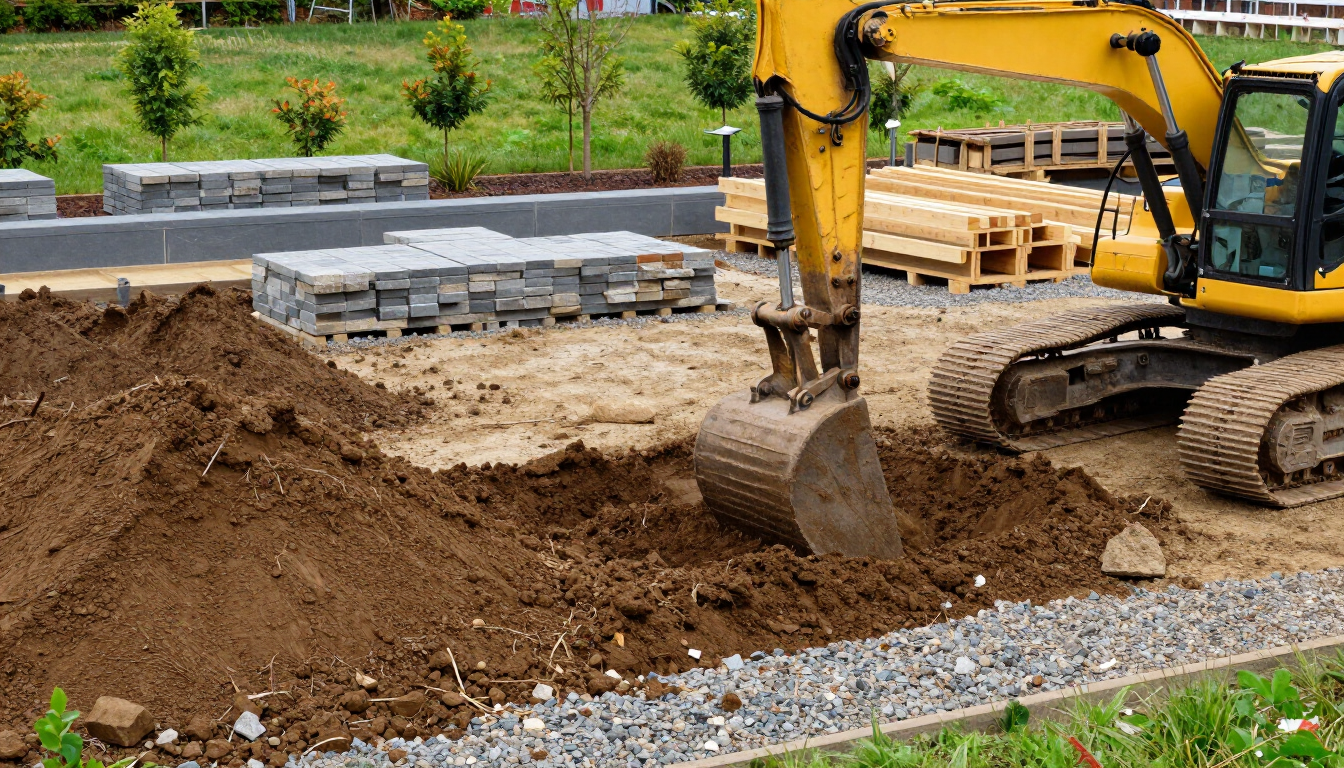
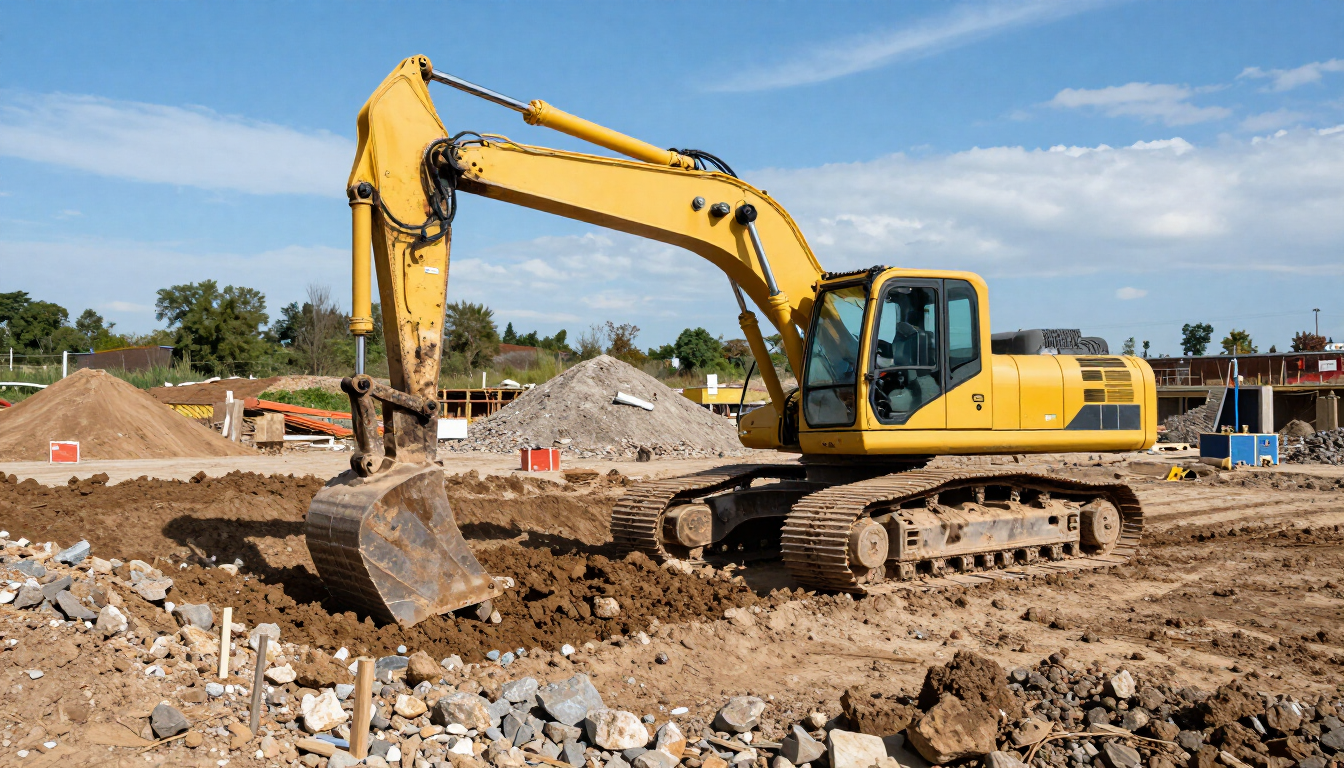
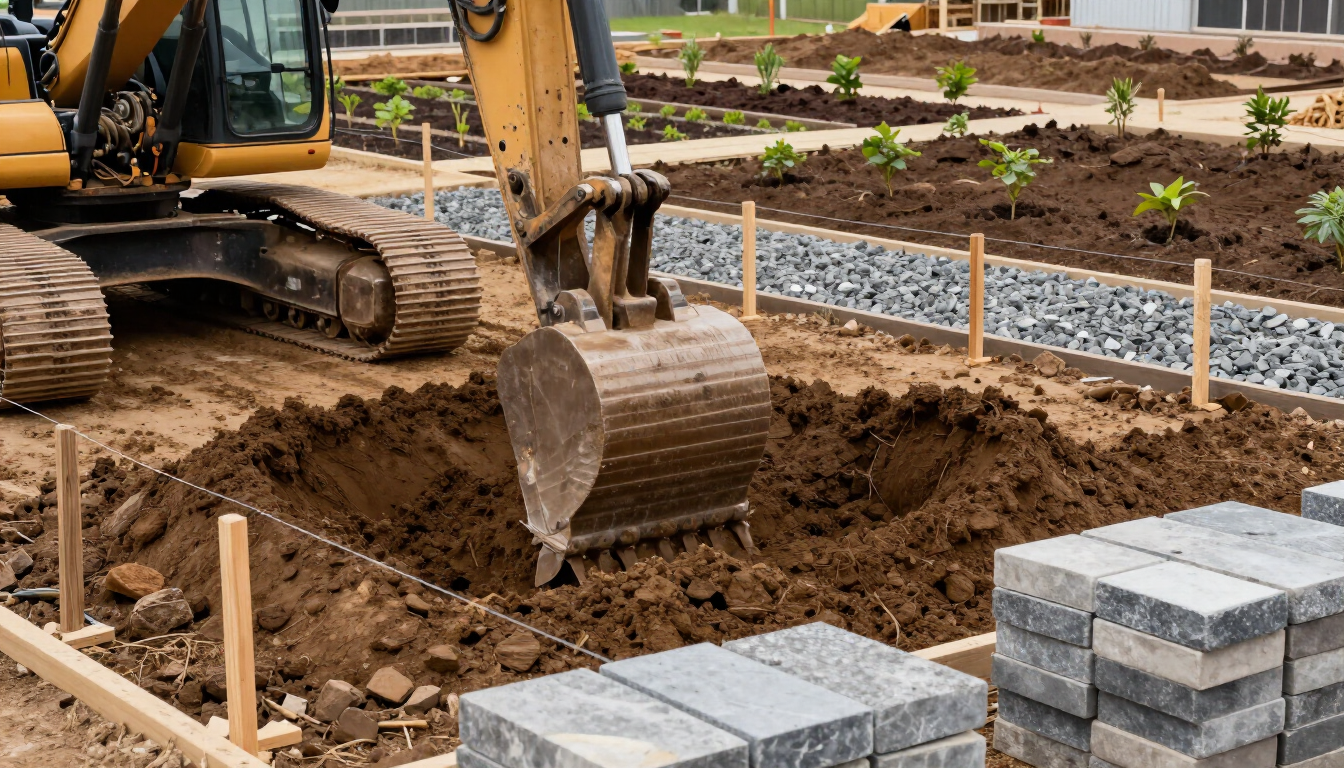
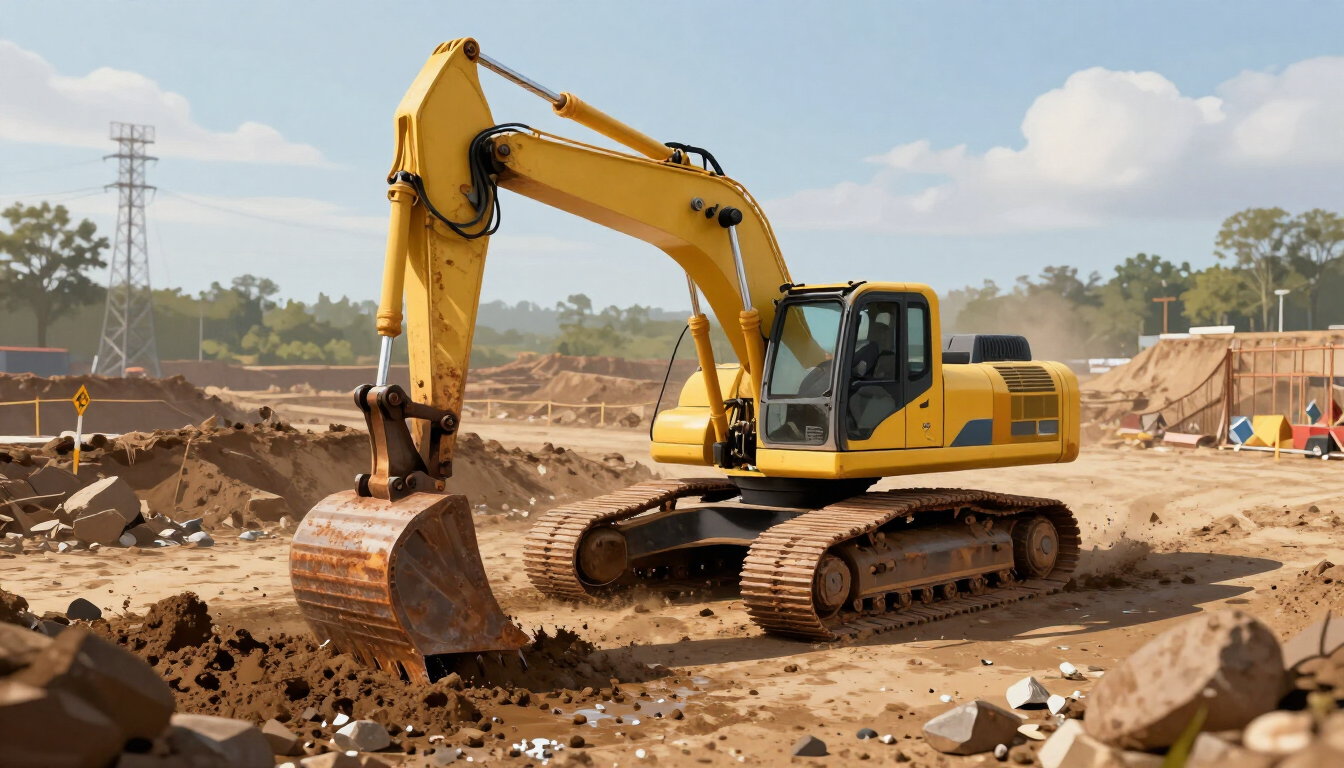
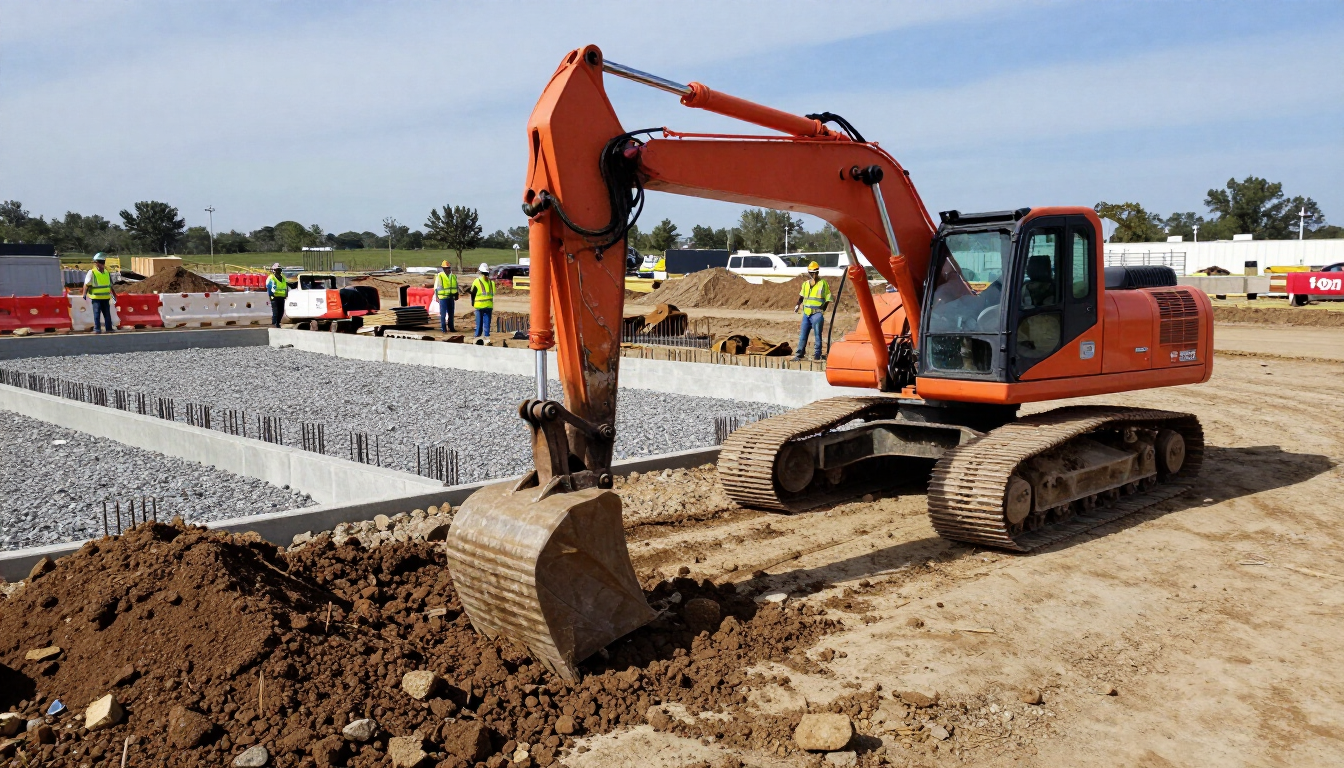
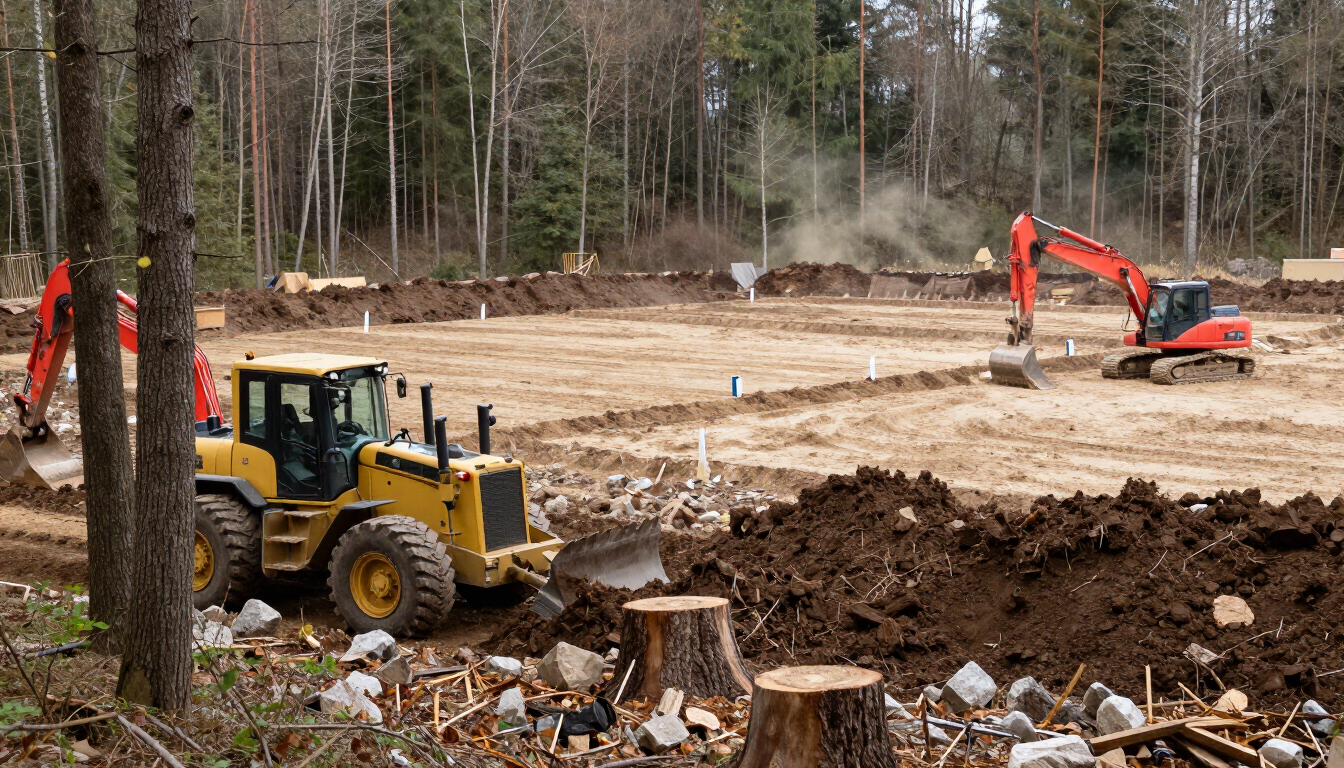
scarify the driveway. Using heavy equipment (like a motor grader or a land plane), we dig down past the bottom of the pothole to churn up the hard-packed surface. We mix the old material with the new, erasing the "memory" of the ruts. Then, we compact it all back down into a single, solid slab.
The Real Enemy: Water (And How We Fight It)
Gravel doesn't usually fail; Drainage fails.
If your driveway turned into a soup bowl this winter, it’s likely because the water had nowhere to go.
1. The Crown
A healthy driveway should be shaped like the roof of a house—high in the center and sloping down to the sides. This is called the "Crown."
- The Problem: Over time, traffic wears down the center of the driveway, making it flat or bowl-shaped. Water sits in the middle, soaking into the base and turning it to mud.
- The Fix: We re-establish the crown. We grade the driveway to force water to shed instantly into the ditches, keeping your driving surface dry and hard.
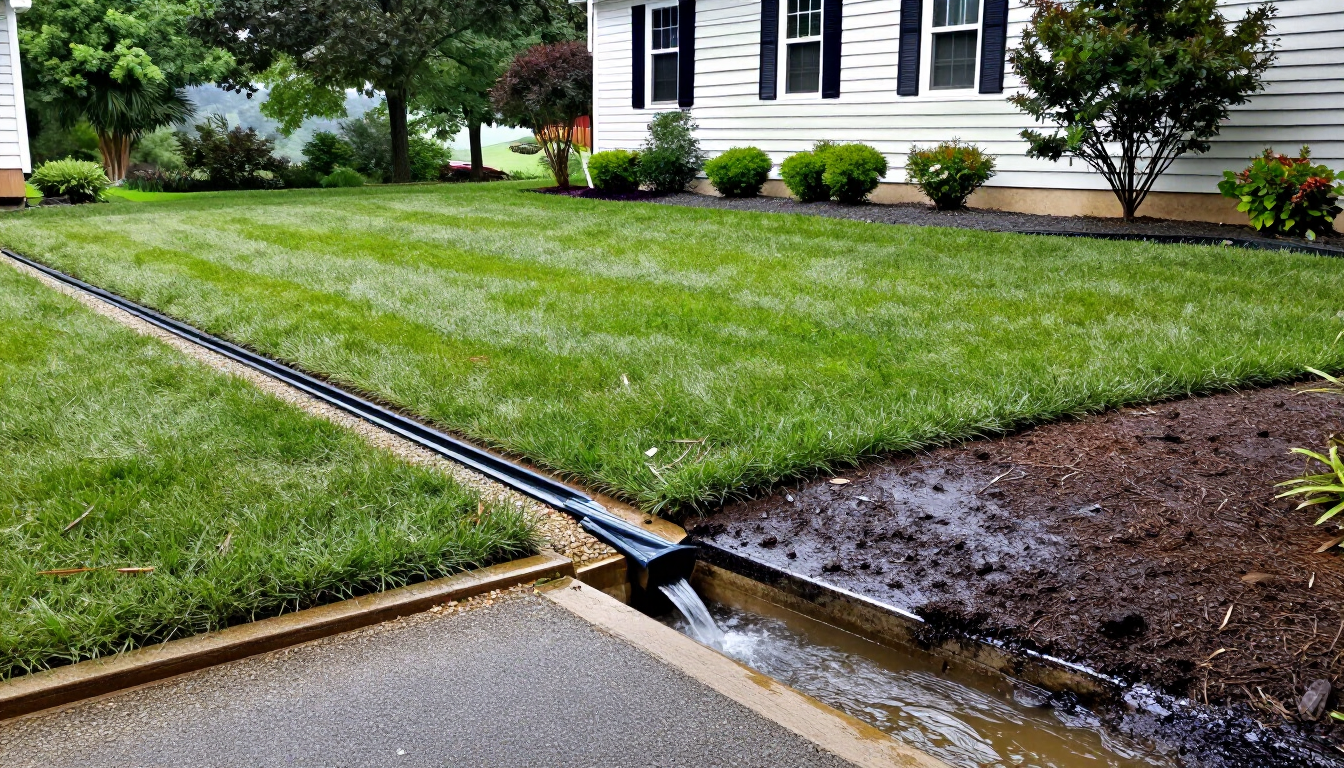
The Ditches and Culverts
Look at the pipe (culvert) under the end of your driveway. Is it crushed? Is it clogged with leaves and mud?
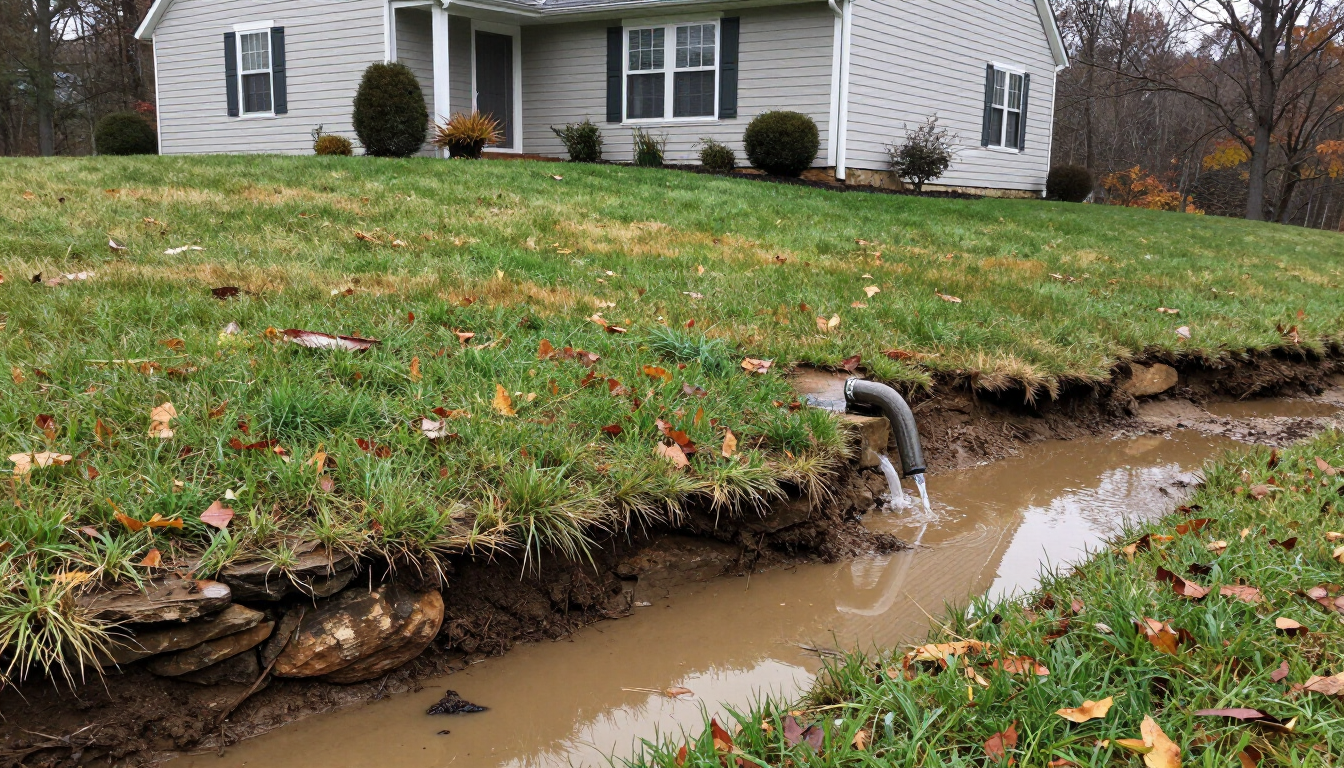
- The Problem: If water can't flow under your driveway, it will flow over it. This is the #1 cause of "washouts," where tons of expensive gravel ends up in your neighbor's yard.
- The Fix: We excavate and clean ditches to ensure proper flow. If your culvert is damaged, we replace it with heavy-duty, double-wall pipe that can withstand the weight of delivery trucks and heavy machinery.
Why "Crusher Run" is King in Virginia
When we restore a driveway in Culpeper or Louisa, we almost always recommend Crusher Run (also known as CR-6 or ABC Stone).
Unlike "washed stone" (which is just loose rocks like marbles), Crusher Run is a mixture of stone and stone dust (fines).
- The Magic: When we spread this mix, wet it, and roll it with a vibratory roller, the dust acts like a cement binder. It locks the stones together.
- The Result: You get a driveway that packs down almost as hard as concrete. It sheds water, resists potholes, and provides a smooth ride for your family car.
Don't Wait Until You're Stuck
Spring in Virginia means rain. The longer you let your driveway sit with poor drainage, the more expensive the repair becomes. A simple grading job now is much cheaper than having to rebuild the entire road base later.
Why Choose G&G Excavating?
We aren't just a guy with a pickup truck. We serve Orange, Louisa, Madison, and Culpeper with a full fleet of heavy industrial equipment. We understand the local clay soil, and we know how to build roads that last.
Is your driveway ready for Spring?
Don't settle for a bumpy ride. Contact G&G Excavating & Landscaping today for a free assessment. Let us turn your mud pit back into a grand entrance.