
The Dos and Don'ts of Gravel Driveway Repair
The Science of "Pothole Memory"
If you just shovel loose gravel into a pothole containing water or mud, it doesn't bond with the hard-packed base underneath. As soon as a car tire hits it, the loose rock flies out, and the hole reappears exactly where it was. The driveway literally "remembers" the hole. To fix it, you have to erase the memory.
The G&G Solution: Grade, Crown, and Compact
To fix a driveway permanently, you have to reshape the land.
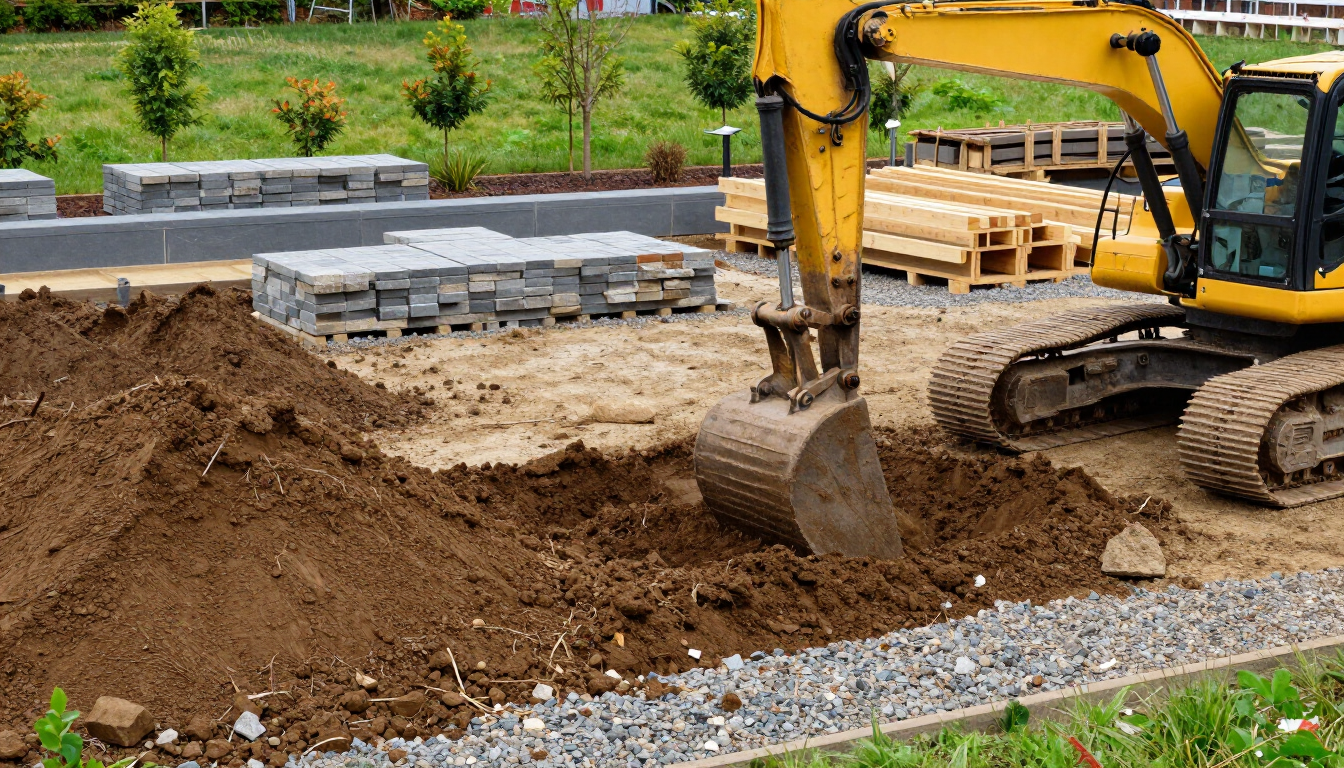
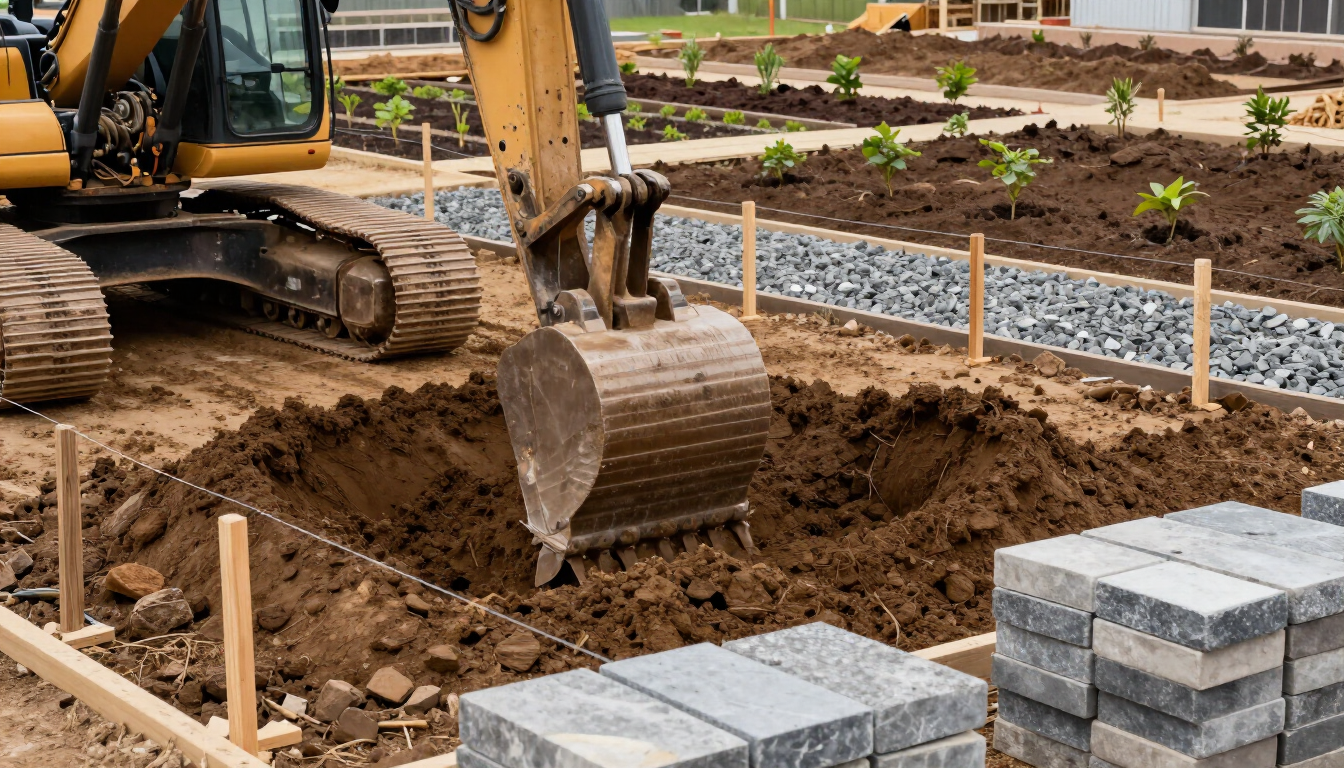
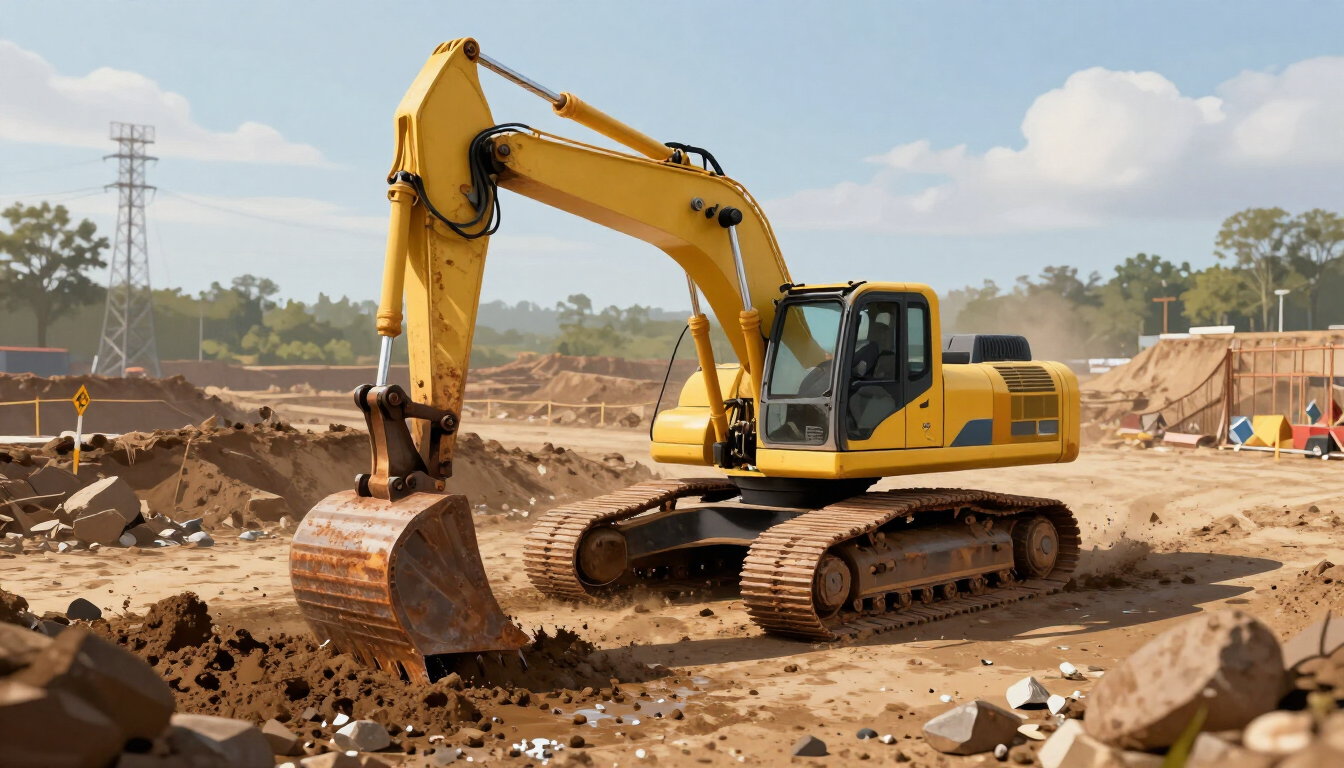
- Scarifying (Digging Deep): We use a box blade or grader to dig down past the bottom of the potholes, loosening the entire surface layer. This mixes the fines (stone dust) with the aggregate and eliminates the ruts completely.
- Crowning (Water Management): Water is the enemy of gravel. A flat driveway will hold water and turn to mud. We grade the surface to create a "crown" (a peak in the middle), forcing water to drain off the sides into ditches.
- Compacting: Finally, we spread fresh stone (usually crusher run) if needed and compact it down with a heavy roller. This locks the jagged edges of the gravel together, creating a surface almost as hard as concrete.
Don't Forget the Culverts
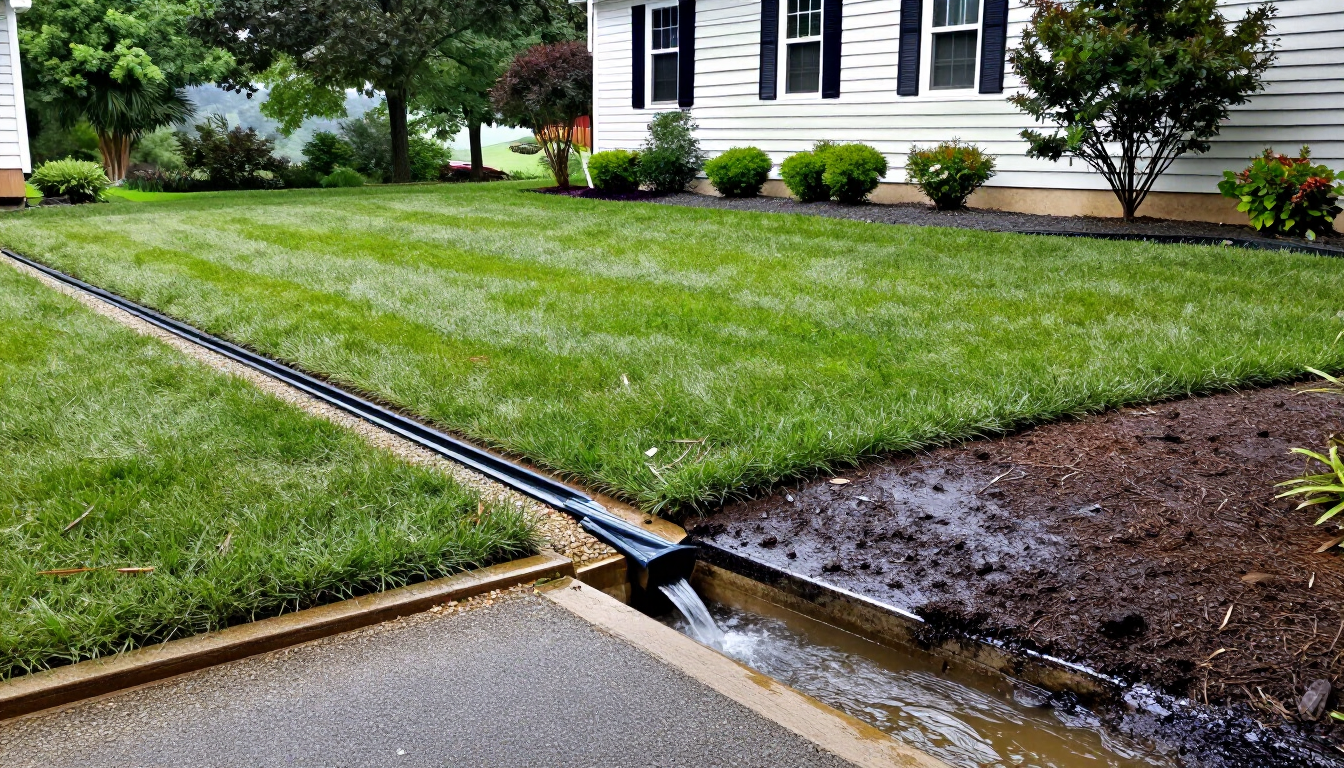
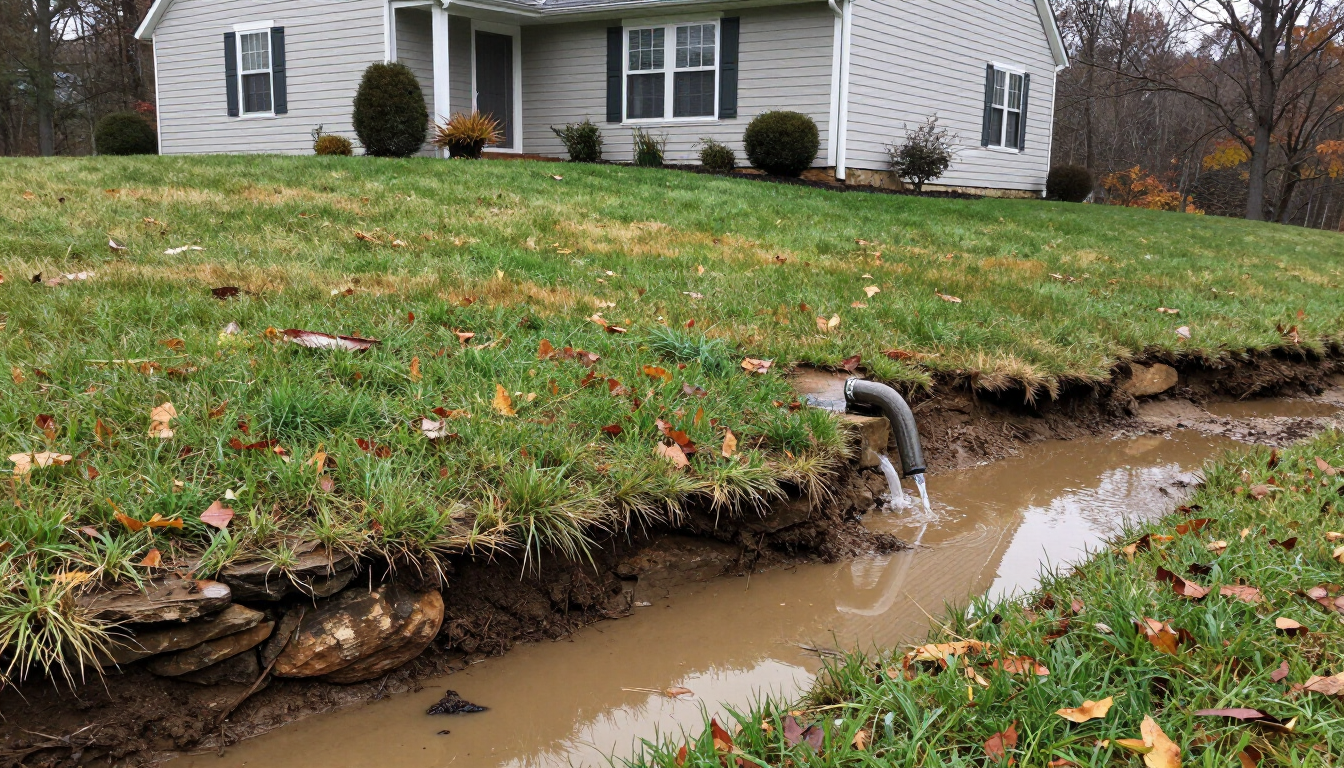
Often, a driveway washes out because the drainage pipe (culvert) underneath it is crushed or clogged. If the water can't go under your driveway, it will go over it, taking your expensive gravel with it. We can inspect and replace aging culvert pipes to ensure proper flow.
Stop bouncing around in your own yard. If your suspension is suffering,
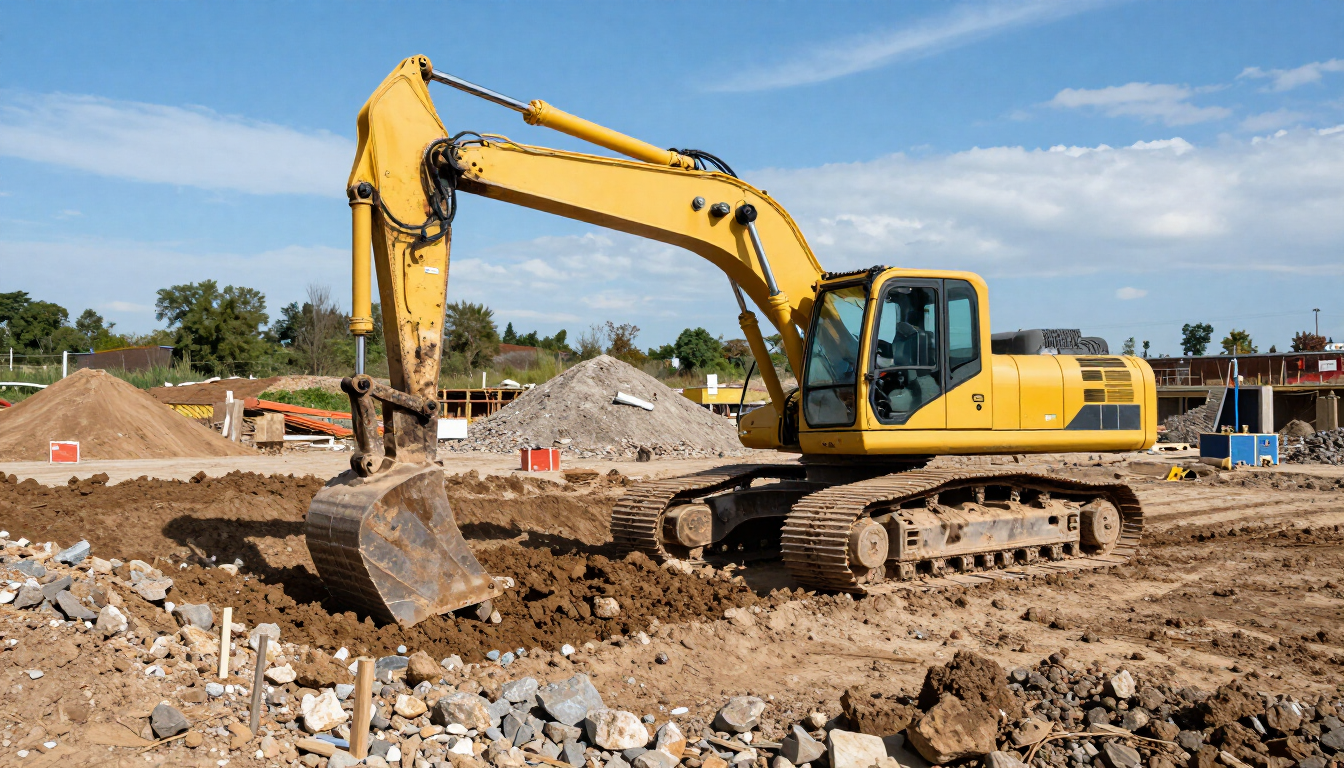
Contact G&G Excavating. We have the heavy equipment to turn your bumpy path into a smooth road.