
The Ultimate Guide to Gravel Driveway Repair: Why Your Driveway Keeps Failing (And How to Fix It for Good)
- The "Pothole Memory": Why holes come back in the exact same spot.
- The Anatomy of a Road: Why the base matters more than the top.
- Water Management: The vital role of the "Crown" and the Culvert.
- Stone Selection: When to use Crusher Run vs. #57 Stone.
- The Maintenance Cycle: How to save money in the long run.
The "Pothole Memory": Why Spot-Fixing Fails
The most common mistake homeowners make is trying to fill a pothole with loose gravel.
Here is the physics of a pothole:
- A pothole forms because the ground underneath is soft or holds water.
- When a car tire hits that spot, it displaces the material, digging the hole deeper.
- The depression fills with water. Water lubricates the soil, making it softer. The hole grows.
If you simply shovel loose gravel into that hole (especially if it still has water or mud in it), that new gravel does not bond to the hard-packed clay underneath. It floats. The next time a tire hits it, the loose gravel flies out. Within days, the pothole reappears in the exact same spot. We call this "Pothole Memory."
The G&G Fix: To fix a pothole permanently, you have to erase the memory.
- We use a heavy machine (like a motor grader or a skid steer with a land plane) to Scarify the driveway.
- This means we dig down 3 to 6 inches, churning up the entire surface of the road—not just the hole, but the hard road around it.
- By mixing the material together, we eliminate the isolated soft spot. We create a uniform surface that can be compacted down into a single, solid slab.
The Anatomy of a Road: It’s All About the Base
A driveway is only as strong as the dirt underneath it. You could put 12 inches of expensive granite on top, but if you have soft "gumbo" clay underneath, your truck will sink right through it.
The Geotextile Fabric Option
For properties with chronically wet or unstable soil, we often recommend installing Geotextile Fabric.
- Think of this like a heavy-duty landscaping fabric, but industrial strength.
- We lay it down over the bare dirt before spreading any stone.
- The Function: It acts as a separation barrier. It prevents your expensive gravel from sinking down into the mud, and it prevents the mud from squishing up into your gravel. It effectively "floats" the road over the soft ground, extending the life of the driveway by decades.
The Base Layer (#3 Stone)
For a new driveway, we start with large, fist-sized rocks (often called #3s or "surge stone"). This large stone locks together and bridges over soft spots, creating a foundation that supports the weight of delivery trucks and fire engines.
The Surface Layer (Crusher Run)
This is what you drive on. We will discuss the types of stone in section 4, but the key is that this layer must be at least 3-4 inches thick to hold up to traffic.
Water Management: The Crown and the Culvert
Water is the enemy of any road. If water sits on your driveway, it destroys it. Period. The goal of driveway grading is not just to make it smooth; it is to make it drain.
The Crown
A properly graded driveway should look like the roof of a house. It should be highest in the center and slope down to both sides. This is called the "Crown."
- When it rains, the water hits the center and immediately sheds off to the ditches.
- The Flat Driveway Mistake: If your driveway is perfectly flat (or worse, dished in the middle), water pools in the center. As you drive through that puddle, you pump water into the road base, turning it into soup.
The Culvert Pipe
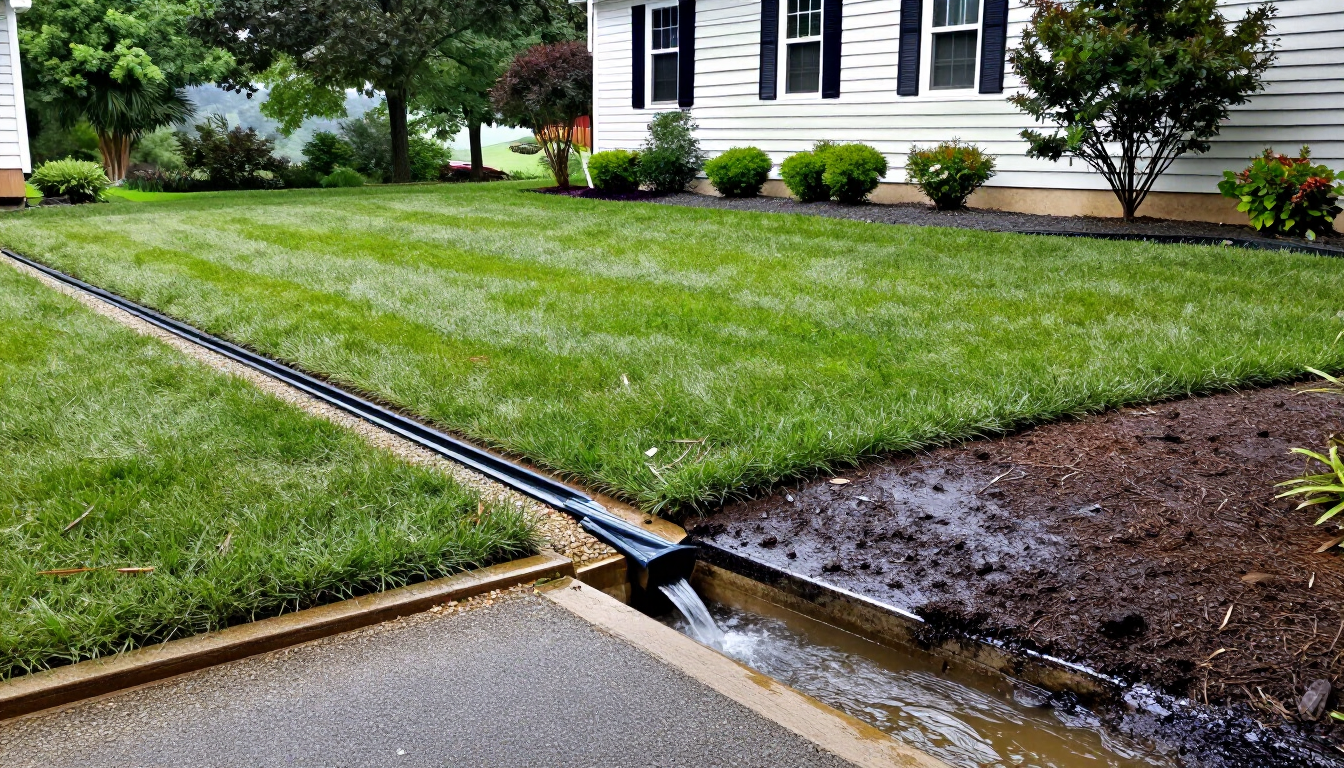
At the entrance of your driveway (where it meets the main road), there is usually a pipe running underneath. This is the culvert.
- Its job is to let the water in the roadside ditch pass under your driveway.
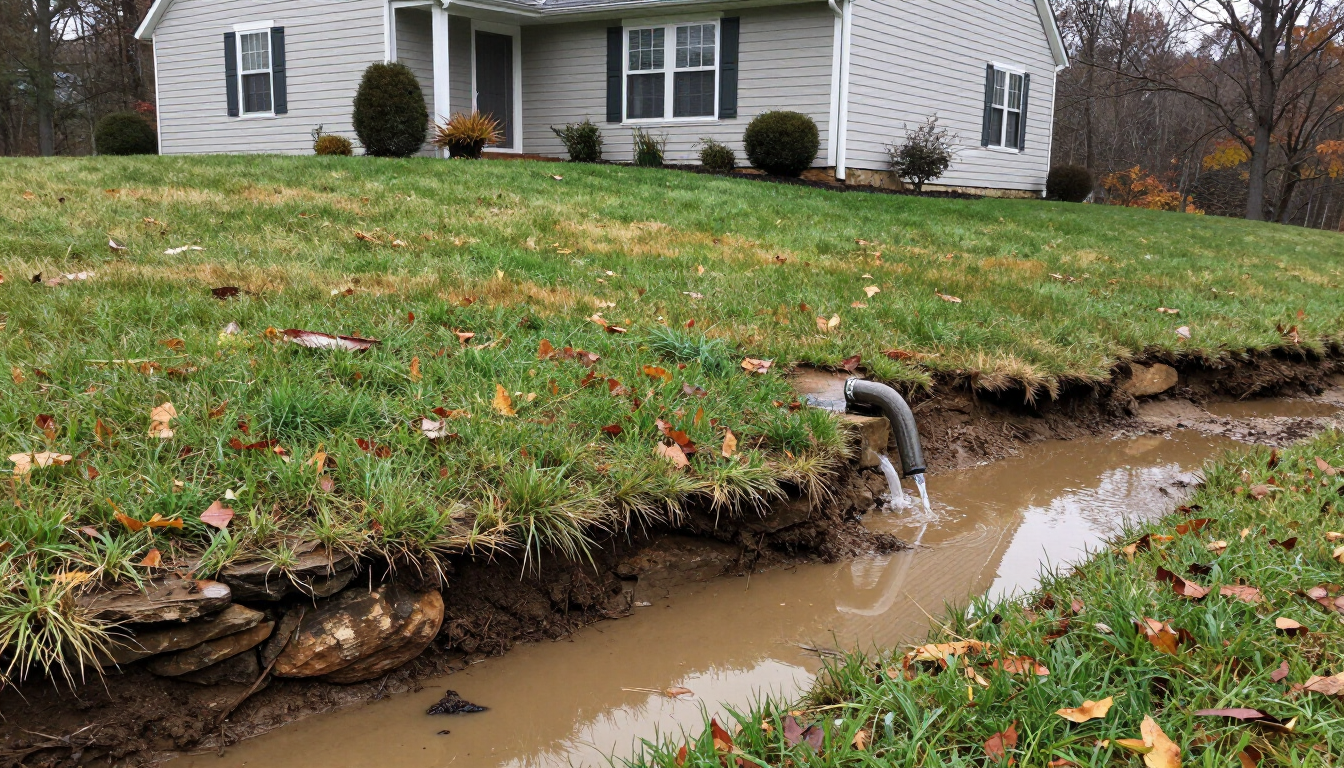
- The Failure: If that pipe gets clogged with leaves, crushed by a heavy delivery truck, or rusted out, the water has nowhere to go. It backs up and flows over your driveway, washing away tons of gravel in a single storm.
- Our Service: We inspect culverts on every job. Replacing a crushed pipe with a new, double-wall plastic pipe is often the first step to saving the driveway.
Stone Selection: Choosing the Right Rock
Not all gray rocks are the same. In Virginia, we typically have access to granite, limestone, or bluestone. But the size and mix matter most.
Crusher Run (The "Road Bond")
This is the MVP of driveways.
- What it is: A mixture of 3/4-inch stones all the way down to "fines" (stone dust).
- Why we use it: The dust acts as a binder/cement. When we spread Crusher Run, wet it, and roll it with a vibrating roller, the dust fills the gaps between the rocks. It hardens into a semi-solid surface that is smooth to drive on and resistant to potholes.
- Best For: Steep hills and the main driving surface.
#57 Stone (Washed Stone)
- What it is: Clean, 3/4-inch stones with NO dust. It looks like the rock in a drainage field.
- Why we use it: Because it has no dust, water flows right through it. It doesn't pack down; it stays loose.
- Best For: Flat areas where you want a "crunchy" look, or for top-dressing a muddy area to minimize tracking. Do not use this on a steep hill—your tires will just spin and throw the rocks everywhere.
The Maintenance Cycle: Save Money by Grading Early
Many homeowners wait until their driveway is a disaster zone before calling G&G. By then, they have lost so much gravel to wash-out that we have to truck in 20 tons of new stone. That gets expensive.
The Smart Strategy: Call us for a "Maintenance Grade" once a year (or every two years).
- We simply scrape and reshape the existing stone you already have.
- We pull the gravel out of the ditches and put it back in the middle.
- We re-establish the crown. This costs a fraction of a full restoration because you aren't paying for new material. You are just paying for the skill of the operator.
Conclusion: Stop the Bounce
You shouldn't have to brace yourself every time you turn into your own property. Your driveway is the welcome mat to your home.
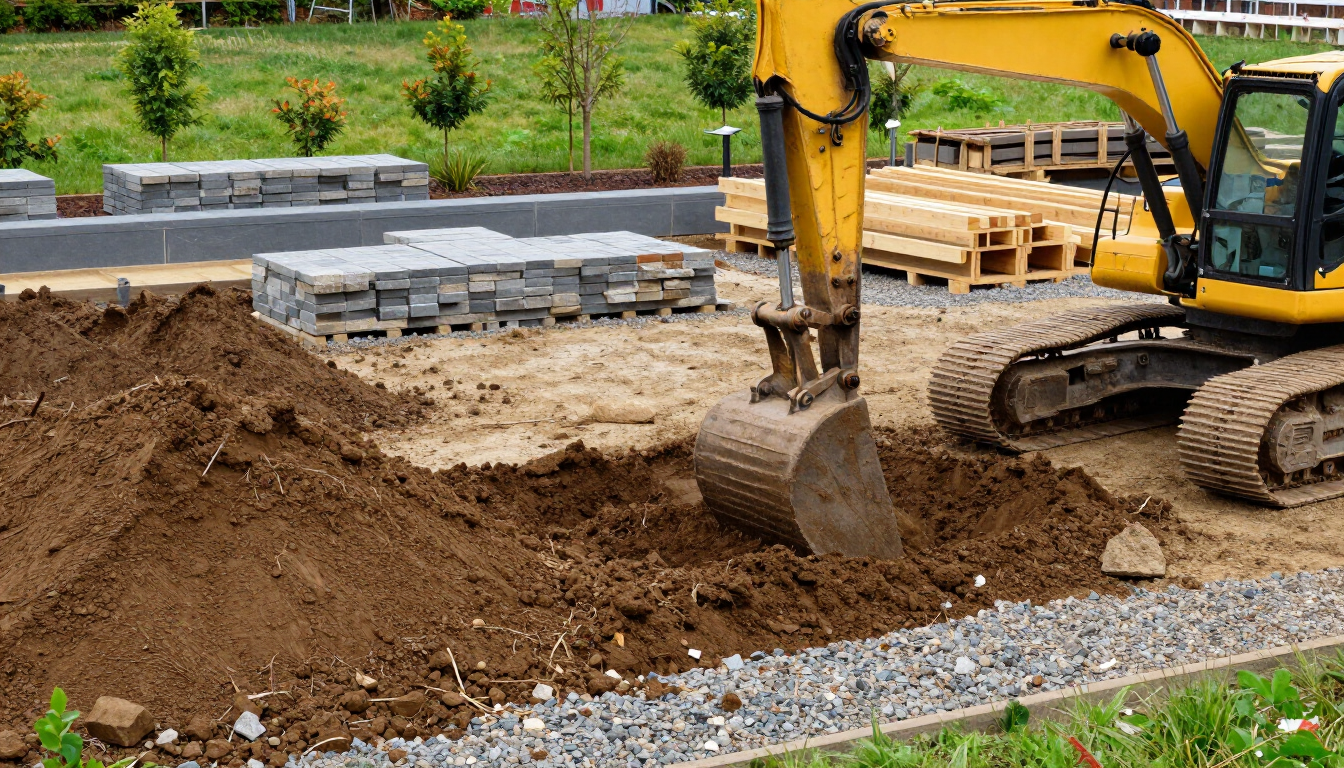
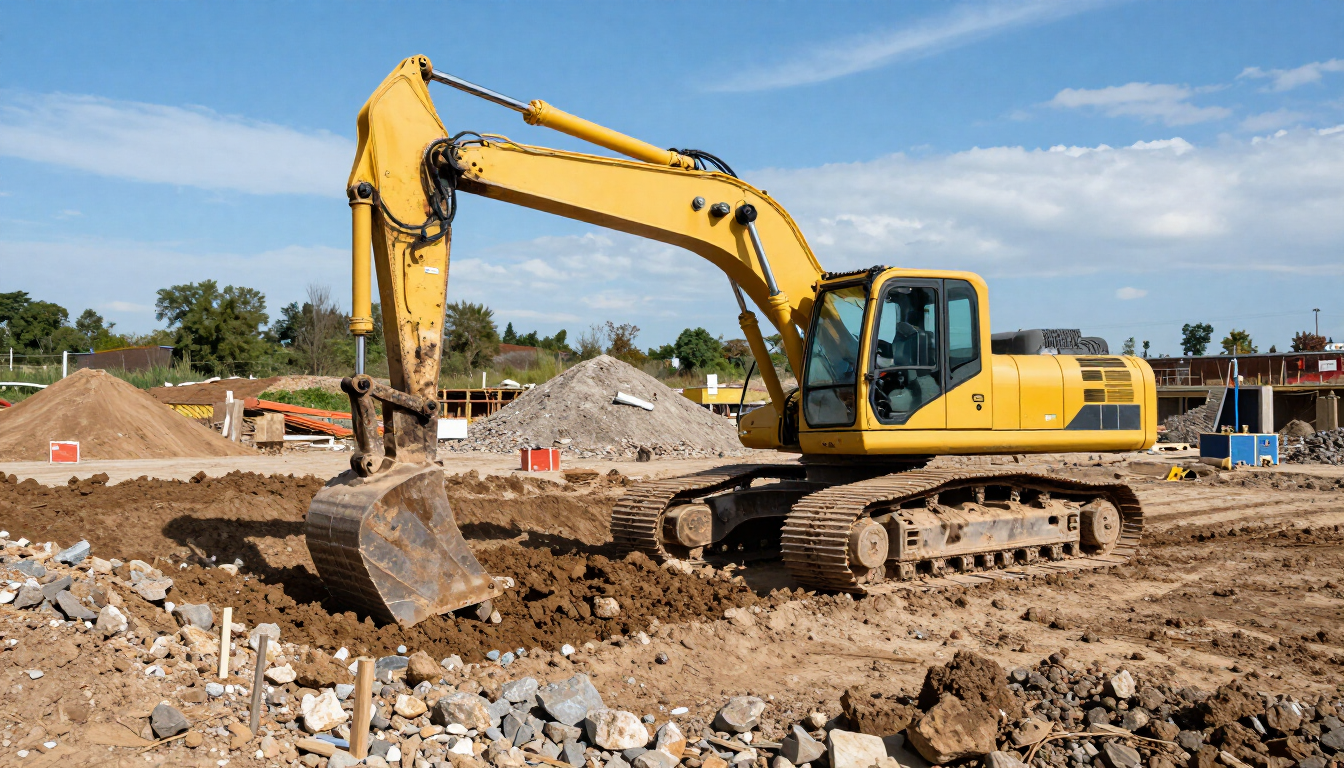
At G&G Excavating & Landscaping, we have the heavy equipment—motor graders, vibratory rollers, and excavators—to build roads, not just patch holes. We serve Louisa, Orange, Madison, Culpeper, and the surrounding counties.
Is your driveway ready for the spring rains? Don't wait until you are stuck in the mud.
Contact G&G today for a free driveway assessment and quote.