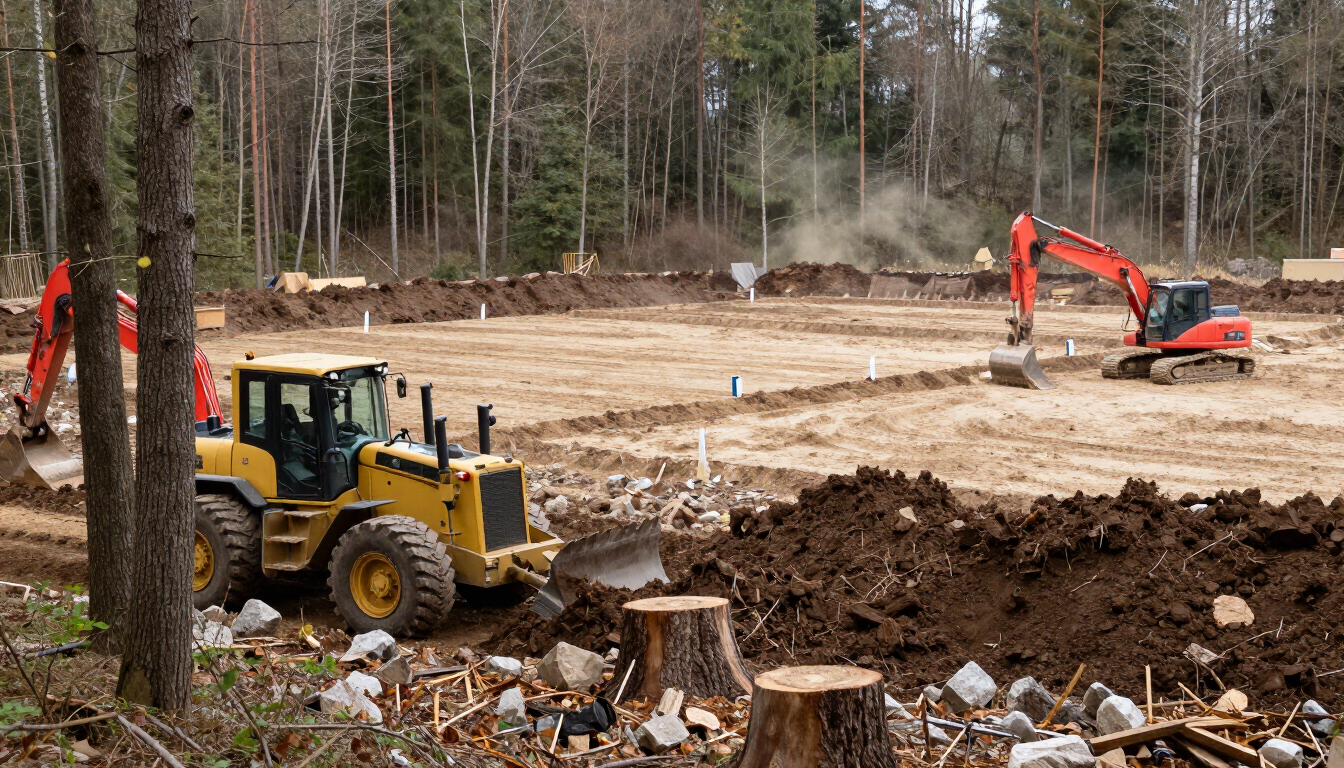

The Underground Guide: Footings, Septic Systems, and the Critical Infrastructure You’ll Never See

April 1, 2026

When you look at a beautiful custom home in the countryside of Louisa or Orange, you admire the siding, the roofline, and the front porch. But if you could look through the grass and dirt with X-ray vision, you would see a complex network of pipes, wires, and concrete that keeps that home alive.

This is the "invisible infrastructure."


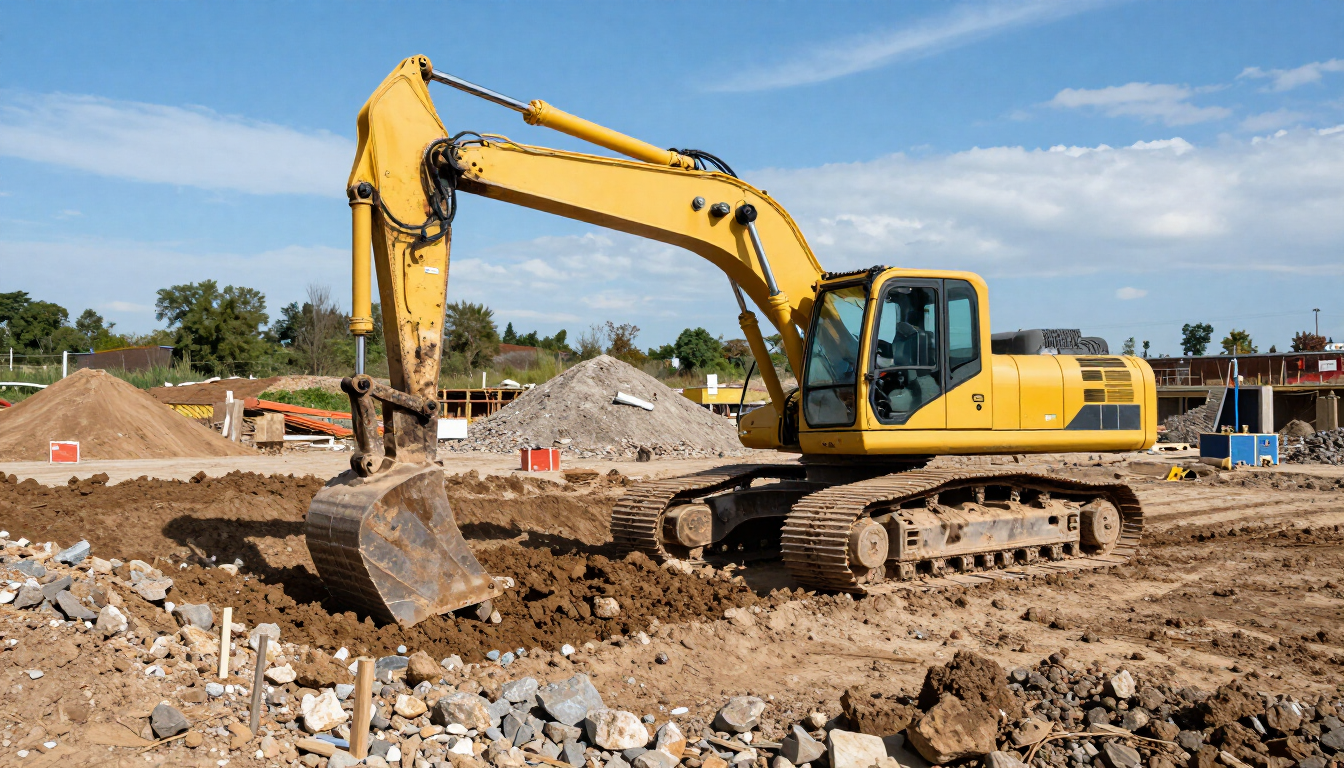
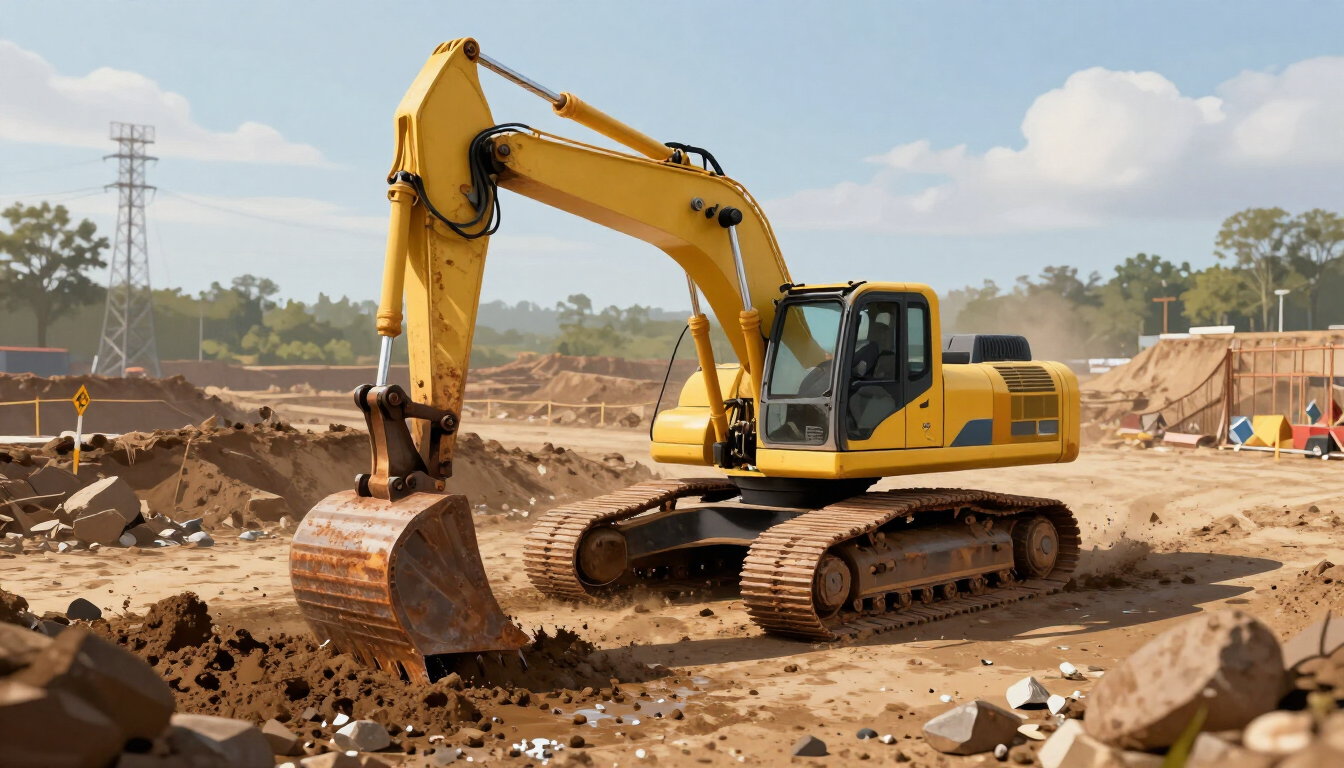
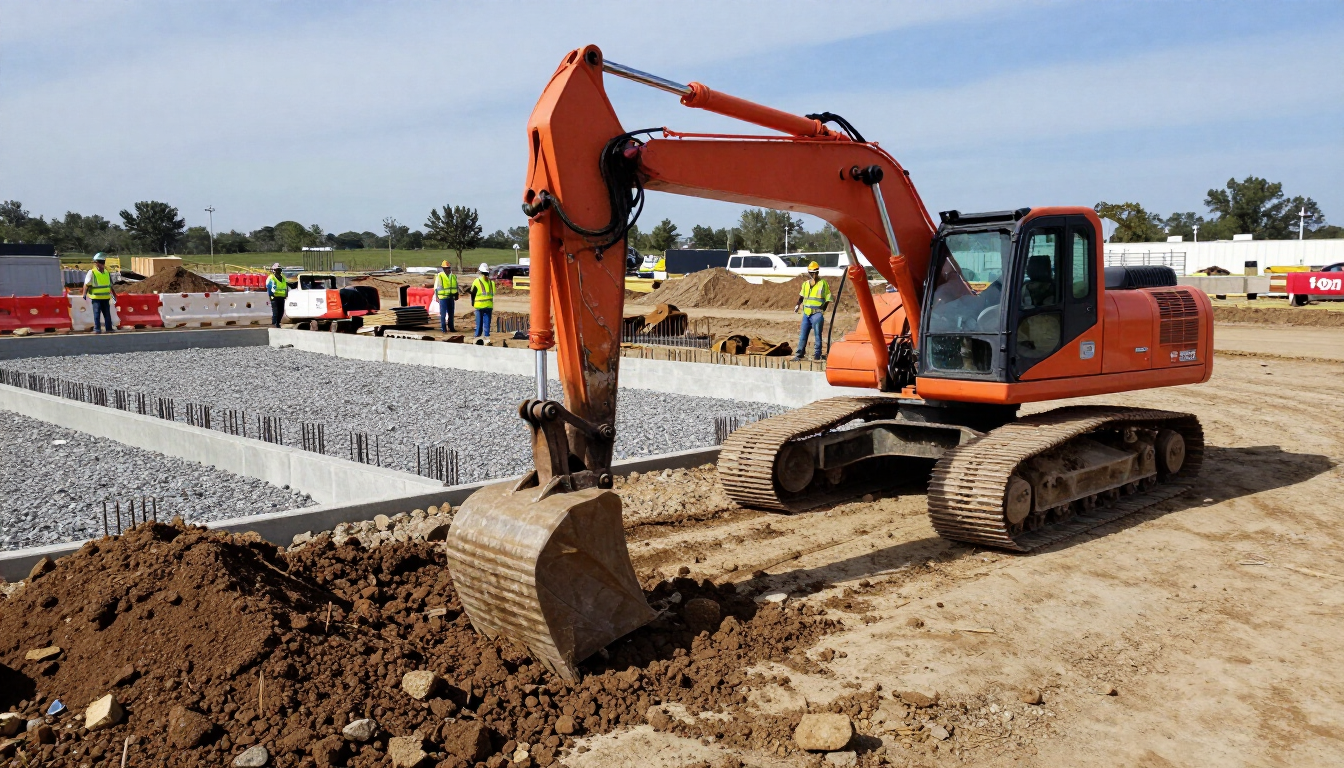
At G&G Excavating, we spend most of our time working below the surface. Before the first 2x4 is nailed up, we are on-site digging the foundation. Before the toilets can flush, we are installing the septic system. Before the lights turn on, we are trenching the power lines.

If this underground work is done poorly, the most expensive house in the world is worthless. In this guide, we are going to take you underground to explain the "Big Three" of excavation: Footings, Septic Systems, and Utilities.

The Foundation: Digging the Footings

The footing is the absolute bottom of your house. It is a wide strip of concrete that distributes the weight of the entire structure into the earth. If the footing moves, the house moves (and cracks).


Precision Matters


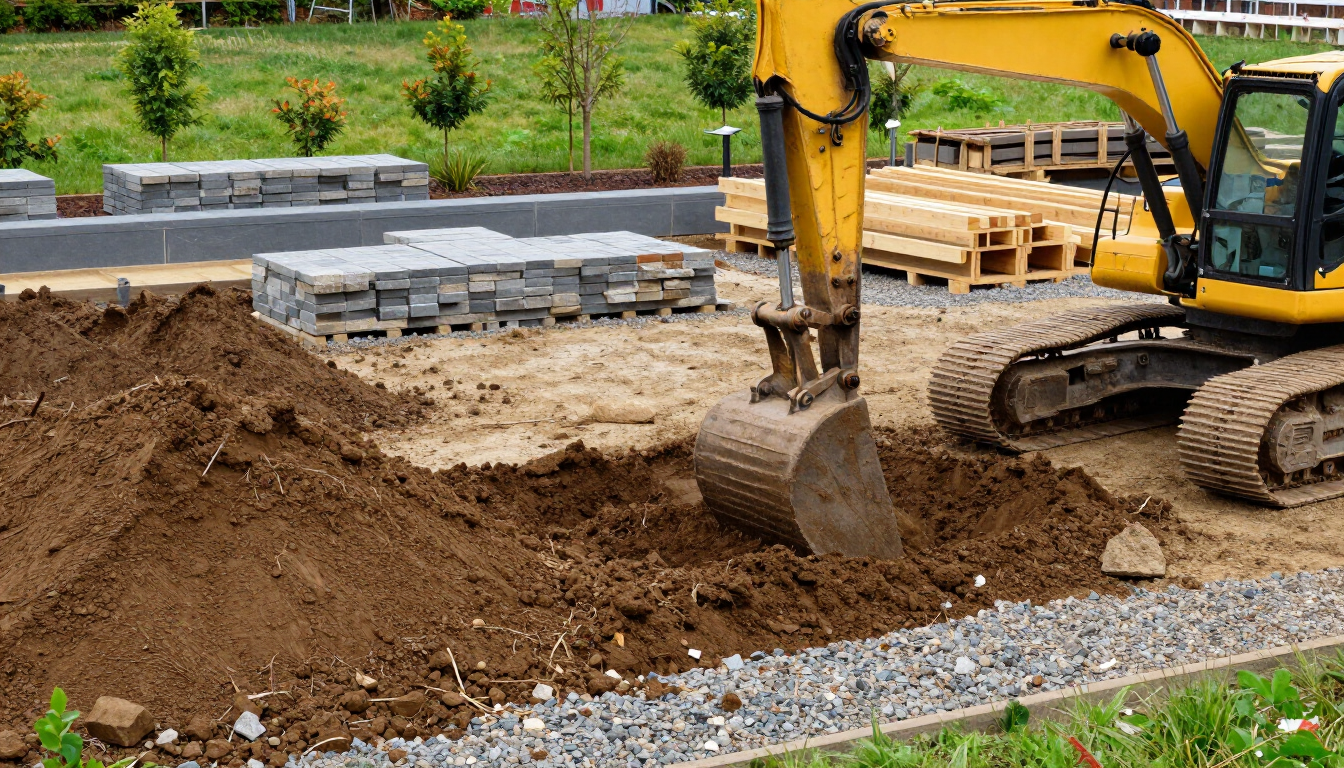
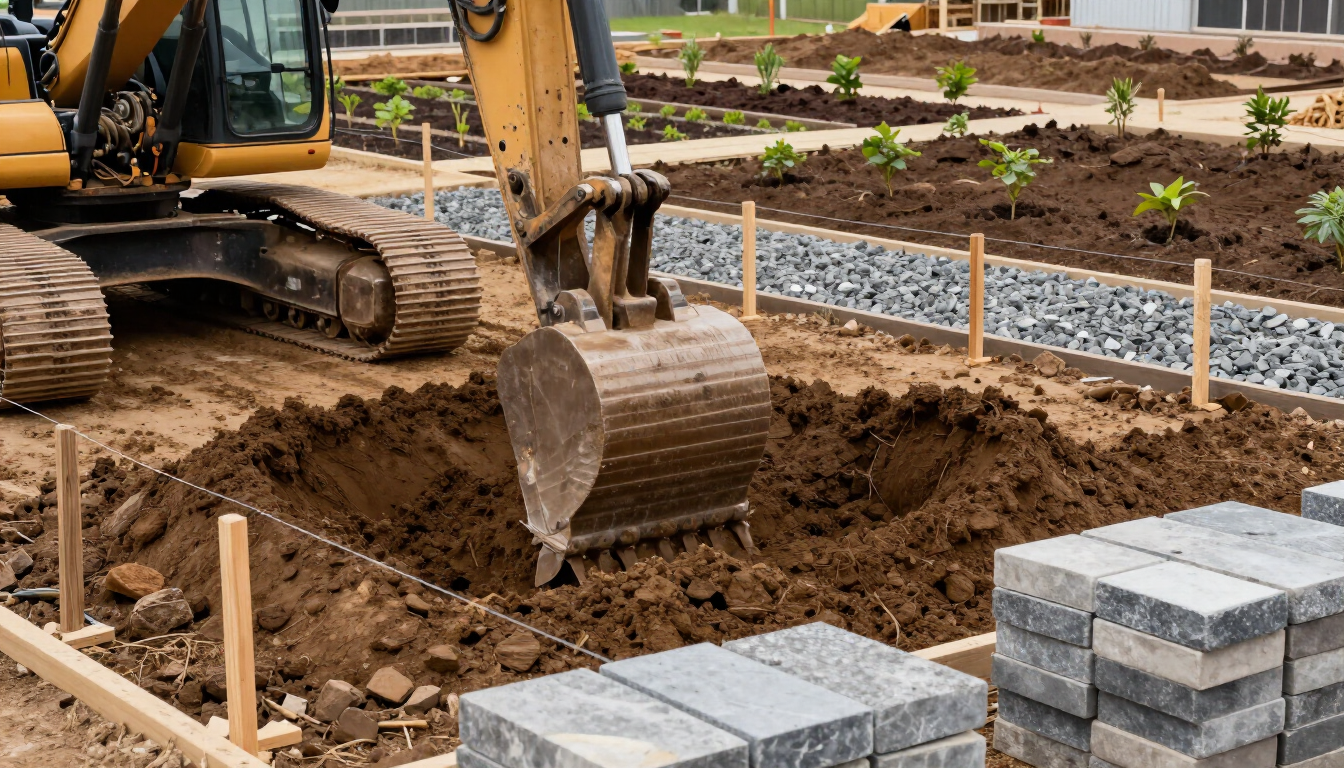
Digging a footing isn't just digging a ditch. It requires extreme precision.

  • The Depth: In Central Virginia, we have to dig below the "frost line" (usually 18-24 inches deep). If we dig too shallow, the ground will freeze in January, heave up, and crack your foundation.
  • The Soil Quality: We must dig down to "virgin" or "bearing" soil. If we hit a soft spot or an old stump hole, we have to keep digging until we hit solid ground, then fill the gap with concrete or compacted stone.
  • The Corners: The trenches must be perfectly square. If the excavation is off by even an inch, the masons who lay the block wall will have a nightmare trying to correct it.


The G&G Difference: We use laser levels and GPS technology to ensure the bottom of the trench is perfectly flat and level, saving you money on concrete (because you don't have to over-pour to fix high/low spots).

Septic Systems 101: No Sewer? No Problem.


Most rural properties in Madison, Culpeper, and Louisa do not have access to city sewer lines. You have to treat your own waste on-site.


The "Perc Test"


Before you can even buy a lot, you typically need a soil scientist to perform a "Perc Test" (Percolation Test). This measures how fast water drains through the soil.

  • Fast Drain: Good news. You can likely install a Conventional System (cheaper).
  • Slow Drain (Clay): You might need an Alternative / Engineered System (more expensive).


How We Install It


A septic system has two main parts that we excavate:

  1. The Tank: A large concrete box (1,000+ gallons) buried near the house. We dig the hole, set the tank level, and plumb the line from the house.
  2. The Drain Field: This is where the treated water flows out into the ground.
  • We excavate a series of long, shallow trenches.
  • We install perforated pipe and gravel (or modern plastic chambers).
  • Critical Rule: You can never drive heavy equipment over a drain field once it is installed. It will crush the pipes and compact the soil. We carefully plan our exit route to protect your system.

Utility Trenching: Power, Water, and Data


Gone are the days of ugly power lines draped across your front yard. In modern construction, almost everything goes underground.


The "Ditch Witch" vs. The Excavator


For small wires, some contractors use a vibratory plow. But for main service lines, we trench.

  • Electrical (High Voltage): Dominion Power or Rappahannock Electric requires these lines to be buried deep (usually 24-36 inches) to prevent accidental cuts.
  • Water Lines: These must be buried below the frost line so your pipes don't freeze in the winter.
  • Data/Fiber: We are seeing more rural fiber internet in Virginia (like Firefly). These conduits are often laid in the same trench as power but separated by a layer of dirt for safety.


Bedding the Pipe


We don't just throw the pipe in and dump rocks on it. Sharp rocks can puncture a water line or crack an electrical conduit.

  • The Process: We "bed" the trench with sand or stone dust first. We lay the pipe. Then we cover it with more sand. Only then do we backfill with native soil. This sand cushion protects the utility line for decades.


Safety Warning Tape


Have you ever dug a hole and found a piece of yellow or red plastic tape?

  • That is Warning Tape. We bury this 12 inches above the utility line. If you (or a future owner) start digging there 10 years from now, you will hit the tape first and stop before you hit the live wire.

The "Call Before You Dig" Rule (811)


Excavation is dangerous. Hitting a buried gas line can cause an explosion. Hitting a fiber optic cable can knock out internet for the whole neighborhood (and cost you $10,000 in fines).

  • The Law: In Virginia, you must call VA 811 (Miss Utility) before putting a shovel in the ground.
  • Our Protocol: As your contractor, G&G Excavating handles this completely. We call in the ticket. We wait the required 48 hours for the utility companies to come out and paint their lines on the ground. We respect those marks.

 Drainage Correction: The French Drain


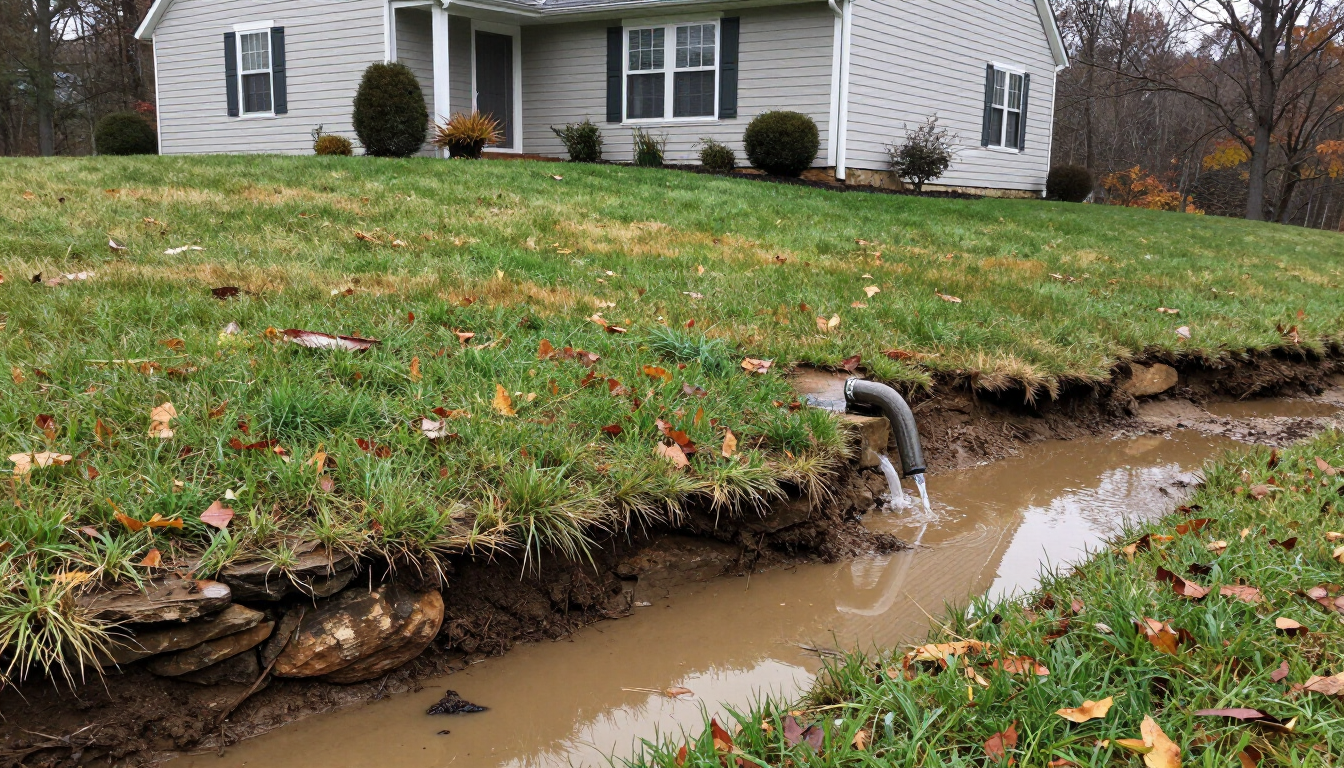
Sometimes, we are called to excavate after the house is built because the basement is flooding. This usually requires installing a French Drain or "Curtain Drain."

  • The Problem: Groundwater is flowing down a hill and hitting your foundation wall.
  • The Excavation: We dig a trench on the uphill side of your house.
  • The System: We install a perforated pipe surrounded by washed gravel and wrapped in filter fabric.
  • The Result: The water hits the gravel, drops into the pipe, and flows harmlessly around your house to a discharge point downhill. It acts like a shield for your basement.

Conclusion: We Dig It Right the First Time


Underground mistakes are expensive. If a septic line has the wrong slope, sewage backs up into the house. If a footing is poured on soft mud, the drywall cracks.


You need an excavation team that understands the engineering behind the dirt.


At G&G Excavating, we combine heavy iron with laser precision. Whether you are breaking ground on a new build in Orange or need a new water line in Louisa, we are the team you can trust.


Planning a project? Contact G&G Excavating today. Let’s discuss what needs to happen under your ground to make your project a success.
March 1, 2026
Central Virginia is beautiful. We have rolling hills, dense hardwood forests, and plenty of open space. It is the perfect place to buy a few acres and build your dream home, a hunting cabin, or a new pole barn. But when you stand on that raw piece of land in Louisa, Madison, or Orange, you aren't looking at a "homesite" yet. You are looking at nature. You see tangles of briars, towering oaks, uneven terrain, and maybe a rocky outcrop or two. How do you get from that to a smooth, flat pad ready for a concrete foundation? The answer is Professional Land Clearing and Site Preparation. This is the most critical phase of construction. If the land isn't cleared and graded correctly, your foundation will fail, your basement will flood, and your budget will explode. At G&G Excavating, we are the first boots on the ground. We turn raw land into buildable sites. In this comprehensive guide, we will walk you through the heavy-duty process of site prep, including: The Planning Phase: Permits, limits, and "saving" the right trees. Clearing Methods: Forestry Mulching vs. Bulldozing. The Stump Problem: Why you never bury stumps under a house. Water Management: Erosion control and silt fences. Final Grading: Creating the perfect canvas for your builder.
February 20, 2026
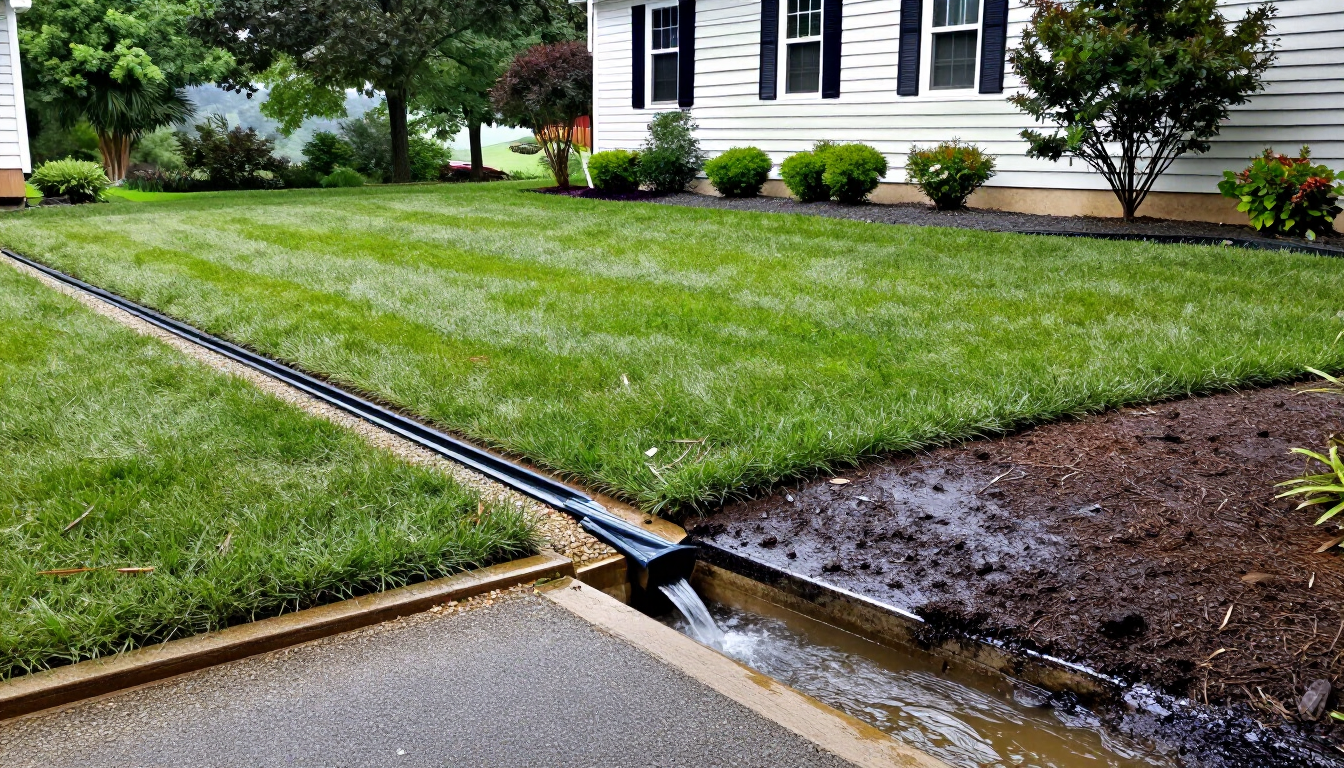
When most homeowners in Central Virginia think about upgrading their outdoor spaces, their minds naturally go straight to beautiful custom patios, lush landscaping, or perhaps a new decorative pond. While these features undoubtedly add incredible value and enjoyment to your home, they all rely on one fundamental, often-overlooked element: proper land grading and drainage. Whether you live in Culpeper, Orange, Louisa, Madison, or Mitchells, VA, dealing with heavy seasonal rains and sudden thaws is just a part of life. Without a strategic plan to manage that water, your property is at serious risk. At G&G Excavating & Landscaping, we have spent over 23 years helping local property owners protect their investments through expert excavation, precise land grading, and custom drainage system installations. Here is why managing your property's water flow is the most important landscaping decision you will ever make.
February 18, 2026
If you live in Louisa, Orange, or Madison, you know the drill. Winter in Central Virginia is tough on gravel driveways. We get a cycle of freezing nights and thawing days, mixed with heavy rain and occasional snow. By the time February and March roll around, your once-smooth driveway likely looks like a battlefield. You’re dealing with: Deep Potholes: That rattle your teeth every time you leave the house. The "Mud Pit": Soft spots where your tires sink in. Washboards: Those annoying ripples that shake your suspension. The Vanishing Gravel: Stone that has seemingly disappeared into the mud or washed into the ditch. Many homeowners think the solution is simple: "I'll just call someone to dump a fresh load of rock on top." At G&G Excavating & Landscaping, we are here to save you money by telling you: Stop buying gravel for a broken driveway. Dumping fresh stone on a bad base is like putting a band-aid on a broken bone. It might look good for a week, but the first spring storm will wash it right back out. In this guide, we’ll explain why your driveway failed this winter and how our professional grading and drainage services can fix it for good.
February 1, 2026
If you live in Central Virginia—whether it’s on a farm in Louisa, a wooded lot in Madison, or a subdivision in Orange—you likely have a gravel driveway. When built correctly, a gravel driveway is a durable, cost-effective, and aesthetically pleasing entrance to your home. It fits the rural character of our region perfectly. But for many homeowners, the driveway is a constant source of stress. It develops deep potholes that rattle your teeth every time you leave the house. It develops "washboard" ripples that ruin your suspension. And every time we get a heavy thunderstorm, expensive gravel washes down the hill and into the ditch. At G&G Excavating & Landscaping, we receive calls every week from frustrated homeowners asking, "Can you just bring a truckload of stone and fill these holes?" We can, but we usually advise against it. Why? Because dumping stone on a bad driveway is like putting a fresh coat of paint on a rotting fence. It looks good for a week, and then the problems return. In this comprehensive guide, we are going to explain the science of road building. We will cover: The "Pothole Memory": Why holes come back in the exact same spot. The Anatomy of a Road: Why the base matters more than the top. Water Management: The vital role of the "Crown" and the Culvert. Stone Selection: When to use Crusher Run vs. #57 Stone. The Maintenance Cycle: How to save money in the long run.
January 21, 2026
If you live in a rural area like Louisa, Madison, or Orange, you know the struggle of the "Winter Driveway." The constant cycle of freezing at night, thawing during the day, and rain in between turns gravel roads into a mess of potholes, ruts, and washboards. At G&G Excavating, we get calls every week from homeowners asking, "Can you just bring a truckload of gravel and dump it in the holes?" The honest answer? We could, but you’ll be calling us back in two weeks. Here is why "spot-fixing" doesn't work and how we handle driveway repair the right way (the permanent way).
January 15, 2026
Planning a backyard makeover? Learn the difference between hardscaping (patios, walls) and softscaping (plants) and how G&G Excavating combines them in Madison and Orange, VA.
December 30, 2025
Is your yard a swamp? Don't wait for spring rains to flood your basement. Learn how land grading, driveway repair, and proper drainage systems in Louisa, Madison, and Orange, VA can protect your property.
December 23, 2025
Mulching, and tree trimming do more than just look good—they protect your property value. Learn the benefits of routine landscaping maintenance in Orange and Culpeper, VA.
By Jared Swift February 1, 2025
Virginia’s diverse climate, rich native flora, and evolving design aesthetics are driving a fresh wave of landscaping trends in 2025. From sustainable practices to modern outdoor living spaces, homeowners in regions like Orange, Louisa, Madison, Mitchells, and Culpeper are rethinking how they use and enjoy their outdoor areas. Here’s an in-depth look at the trends shaping Virginia’s landscapes this year. Embracing Modern Aesthetics Today’s homeowners are blending clean lines with natural beauty. Modern landscaping in Virginia is moving toward: Minimalist Design: Simple, uncluttered spaces that emphasize functionality and beauty. Outdoor Living Rooms: Patios, fire pits, and outdoor kitchens are becoming extensions of the home, creating a seamless transition between indoor and outdoor spaces. Integrated Lighting: Smart, energy-efficient lighting designs that enhance safety and highlight architectural and natural features during the evening. Celebrating Native Plants Virginia is home to a wide variety of indigenous plants that not only add beauty but also thrive in the local environment: Low-Maintenance Choices: Species like Black-Eyed Susans, Coneflowers, and native grasses require less water and fertilizer, making them ideal for sustainable landscaping. Seasonal Color: Trees such as Dogwood, Redbud, and various maples provide vibrant displays throughout the year, aligning with the natural rhythm of Virginia’s seasons. Wildlife Friendly: Incorporating native plants supports local pollinators and birds, helping to maintain ecological balance. Responding to Local Weather Virginia’s variable climate—from hot, humid summers to crisp, cool winters—demands a resilient landscape design: Drought-Resistant Gardens: With increasing attention to water conservation, drought-tolerant plants and xeriscaping techniques are gaining popularity. Smart Drainage Solutions: Proper drainage and rainwater harvesting systems help manage heavy rains and reduce water runoff, ensuring your landscape remains both beautiful and functional. Seasonal Flexibility: Designing landscapes that can adapt to sudden weather changes, such as incorporating flexible plant beds and using mulch to regulate soil temperature. Sustainable and Eco-Friendly Practices Sustainability isn’t just a buzzword; it’s a necessity in modern landscaping: Recycled Materials: Hardscaping elements, like patios and walkways, are increasingly made from recycled or locally sourced materials. Energy-Efficient Features: Solar-powered garden lighting and automated irrigation systems help reduce energy consumption. Eco-Conscious Design: Landscaping is evolving to create spaces that not only look good but also contribute positively to the local ecosystem. Integrating Hardscaping and Water Features Hardscaping and water elements continue to enhance outdoor spaces: Hardscape Structures: Well-designed patios, retaining walls, and outdoor steps provide structure and functionality, often becoming focal points in modern landscapes. Custom Ponds and Water Features: Water elements are now designed with sustainability in mind, featuring natural filtration systems and native aquatic plants, which enhance the overall ambiance and support local wildlife. The Role of Professional Expertise Executing these trends effectively requires the expertise of professionals who understand Virginia’s unique landscape challenges. Whether it’s land clearing, drainage system installation, or custom pond construction, trusted local contractors can bring these ideas to life while ensuring that your project is both sustainable and visually stunning.  Ready to transform your outdoor space? G&G Excavating & Landscaping offers over 23 years of experience in blending modern design with traditional expertise. Serving Orange, Louisa, Madison, Mitchells, and Culpeper, VA, our team is equipped to help you navigate the latest trends and create a landscape that stands the test of time. Contact us today at (540) 718-2270 for a free estimate and start planning your 2025 landscape makeover!
By Teresa Griffith January 1, 2025
Expert Tips and Local Insights for a Safe, Efficient, and Successful Excavation Project in Virginia  When it comes to major property improvements—whether you're planning to build a new home addition, create a building pad, or simply reconfigure your landscape—the foundation of a successful project is a reliable excavation contractor. For homeowners in Virginia, particularly in areas like Orange, Louisa, Madison, Mitchells, and Culpeper, selecting the right team can make all the difference in ensuring your project is safe, efficient, and built to last. Here’s what you need to know. Understand the Scope of Your Project Before you begin your search, clearly define the work you need: Land Clearing and Grading: Are you preparing your property for construction or simply enhancing its aesthetic appeal? Drainage Systems and Driveway Repair: Proper excavation is critical to prevent water damage and ensure long-term structural stability. Custom Projects: Projects like pond construction or creating an outdoor living space require specialized skills. Having a detailed project scope helps in communicating your needs and obtaining accurate estimates. Key Factors to Consider 1. Experience and Expertise Local Knowledge: An excavation contractor with a strong track record in Virginia understands the regional soil conditions, weather patterns, and environmental regulations. Years in Business: Look for a company with a proven history—experience often correlates with reliability and quality of work. 2. Licensing and Insurance Proper Licensing: Ensure that the contractor is licensed to operate in Virginia. This not only meets legal requirements but also signals professionalism. Insurance Coverage: Verify that they carry adequate insurance, including liability and worker’s compensation, to protect you from potential accidents or property damage during the project. 3. Reputation and Reviews Customer Testimonials: Online reviews and testimonials provide insight into the contractor’s reliability, punctuality, and overall work quality. Portfolio of Past Projects: Reviewing a contractor’s previous work can give you a better idea of their capabilities and attention to detail. 4. Communication and Transparency Clear Estimates: A reputable contractor will provide a detailed, written estimate outlining the scope of work, materials, labor costs, and timeline. Responsive Service: Good communication is essential. Choose a contractor who is willing to answer your questions and provide regular updates throughout the project. 5. Commitment to Safety and Environmental Practices Safety Protocols: Excavation work can be hazardous. Ensure the contractor adheres to strict safety standards to protect both their team and your property. Sustainable Practices: In today’s eco-conscious environment, many homeowners prefer contractors who use sustainable methods and eco-friendly equipment. Why Choose a Local Contractor? Working with a local contractor, like G&G Excavating & Landscaping, offers several benefits: Regional Expertise: They understand the unique challenges posed by Virginia’s terrain and weather, ensuring your project is executed efficiently. Community Trust: Local businesses build reputations based on word-of-mouth and community engagement, often translating to higher levels of trust and customer satisfaction. Quick Response Times: Proximity means faster response times and on-site problem-solving, reducing potential delays in your project. Final Thoughts Choosing the right excavation contractor is more than just a business transaction—it’s about entrusting a key part of your property’s transformation to a professional team. By focusing on experience, proper credentials, clear communication, and a commitment to safety, you can ensure your project runs smoothly and meets your expectations. Ready to get started? If you’re planning an excavation project in Virginia, consider reaching out to a trusted local expert. G&G Excavating & Landscaping has over 23 years of experience in handling everything from land clearing and grading to driveway repair and drainage system installations. Contact them today at (540) 718-2270 for a free estimate and take the first step toward a successful project.