
The Ultimate Guide to Land Clearing and Preparing Your Lot for Construction
- The Planning Phase: Permits, limits, and "saving" the right trees.
- Clearing Methods: Forestry Mulching vs. Bulldozing.
- The Stump Problem: Why you never bury stumps under a house.
- Water Management: Erosion control and silt fences.
- Final Grading: Creating the perfect canvas for your builder.
The Planning Phase: Don't Just Start Cutting
Many landowners buy a chainsaw and think they can save money by clearing the lot themselves on the weekends. While we respect the sweat equity, clearing a homesite requires strategic planning before a single tree falls.
Marking the Limits of Disturbance
Before we unload the excavator, we walk the property with you and the builder.
- The House Seat: Where exactly will the house sit? We need to clear that footprint plus a 15-20 foot working buffer on all sides for the masons and framers to move around.
- The Septic Field: You cannot drive heavy machinery over a future drainfield area. It compacts the soil, rendering it useless for septic absorption. We mark this off as a "No Go Zone."
- Solar & Views: Which trees need to go to give you that mountain view or solar exposure? Which ancient oaks do you want to preserve for shade?
Permitting and Regulations
In Virginia, if you disturb more than a certain square footage (often 10,000 sq ft, though it varies by county), you need an Erosion and Sediment (E&S) Control Plan.
- G&G Expertise: We know the inspectors in Louisa, Orange, and Culpeper. We ensure the proper permits are pulled so you don't get a Stop Work Order in the middle of your project.
Clearing Methods: Mulching vs. Dozing
Once the plan is set, we have two main ways to tackle the vegetation.
Method A: Forestry Mulching (The Eco-Friendly Choice)
For underbrush, saplings, and smaller trees (up to 6-8 inches in diameter), we use a Forestry Mulcher. This is a high-powered machine with a rotary drum drum equipped with steel teeth.
- The Process: It grinds the vegetation right where it stands.
- The Benefit: It leaves behind a layer of mulch. This mulch suppresses weeds, prevents soil erosion, and returns nutrients to the earth. There are no burn piles and no haul-away fees. It gives you a "park-like" finish instantly.
Method B: Traditional Clearing (Bulldozing & Excavating)
For the actual house footprint and driveway, we need to remove large trees and strip the topsoil.
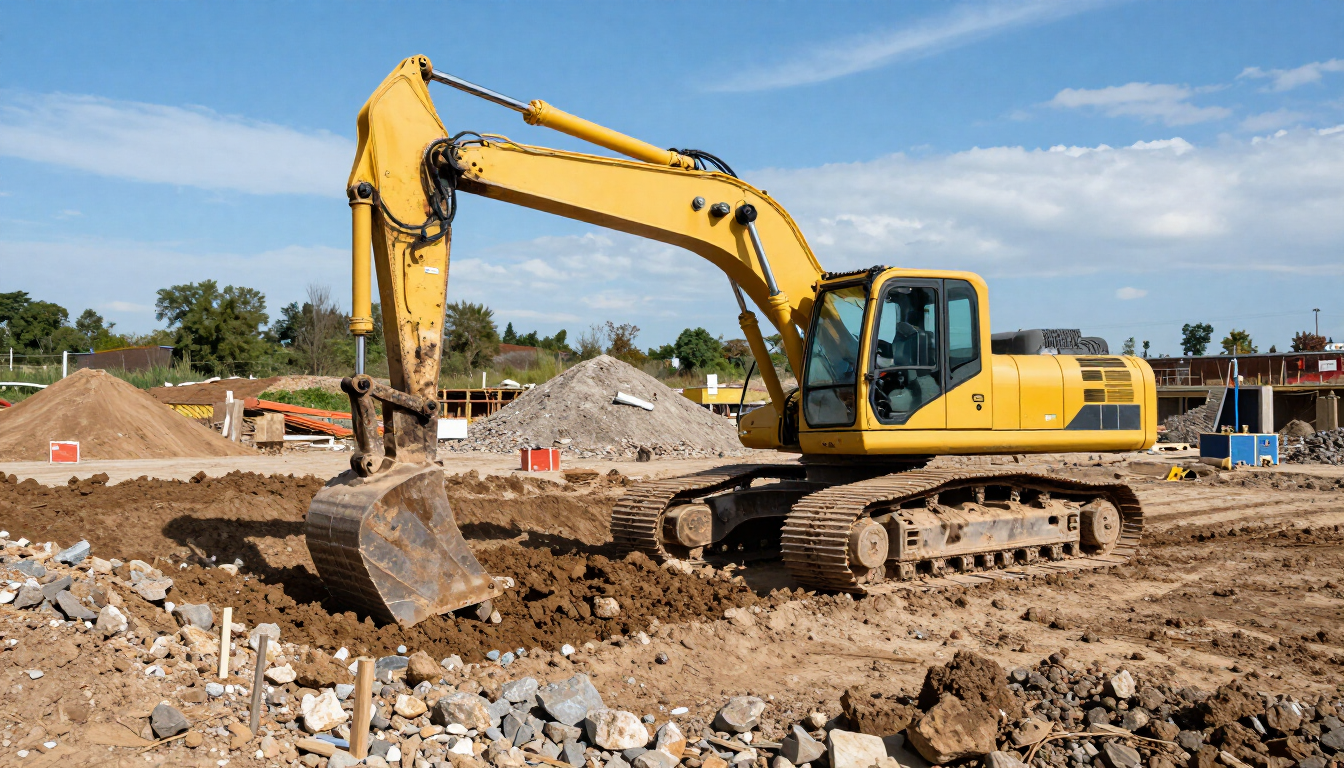
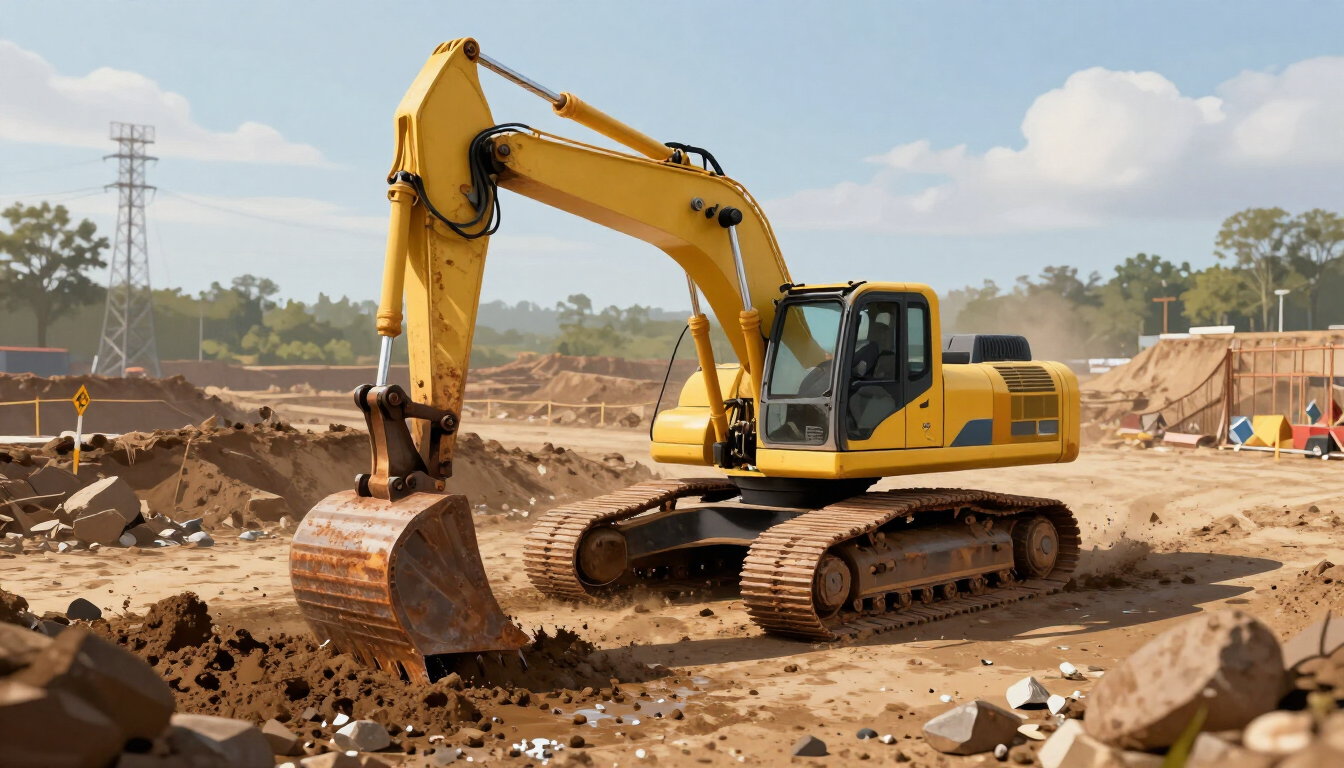
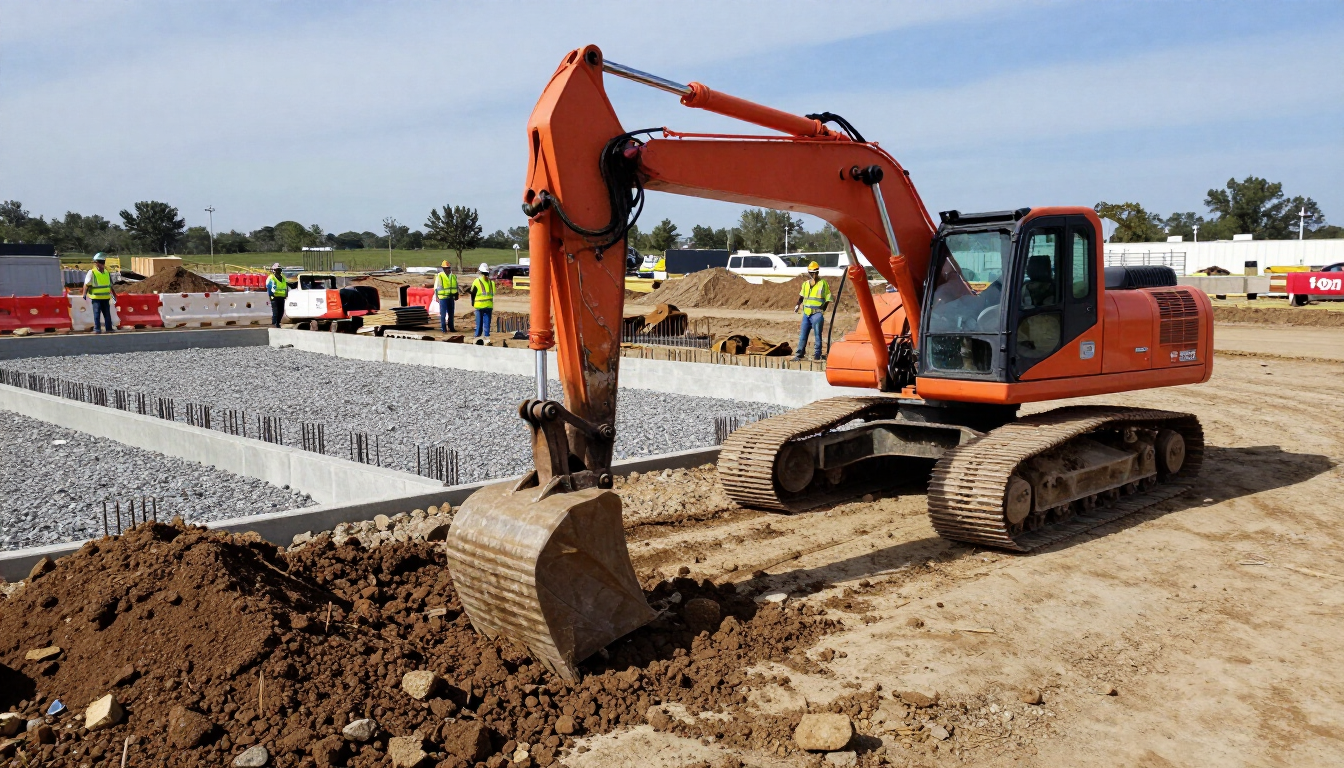
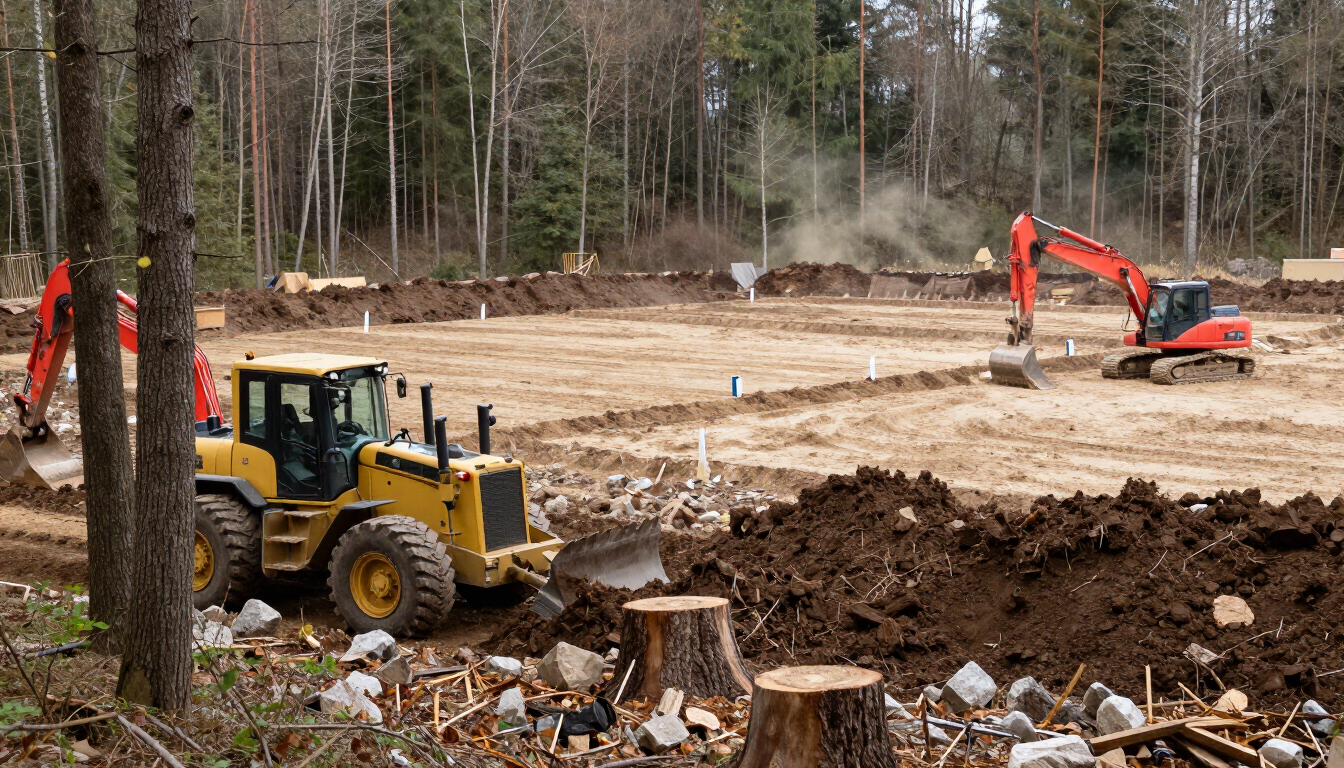
- The Process: We use excavators to push over large trees and pluck them out.
- Debris Management: We have three options for the timber:
- Timbering: If you have valuable hardwood, it can be sold to a logger.
- Burning: In rural counties, burning brush piles is legal (with precautions). It is the cheapest way to get rid of stumps and brush.
- Hauling: We load it into dump trucks and take it to a landfill (most expensive option).
The Stump Problem: A Warning for Homeowners
This is the single most important advice in this entire article.
NEVER build a structure over buried stumps.
In the old days, some contractors would dig a hole, shove all the stumps in it, cover it with dirt, and build the house on top.
- The Physics: Wood rots. As those stumps decompose over 10 or 20 years, they shrink. This creates a void underground.
- The Result: The ground above sinks (subsidence). If your foundation is sitting on that ground, it will crack. Your chimney might pull away from the house. Your patio will collapse.
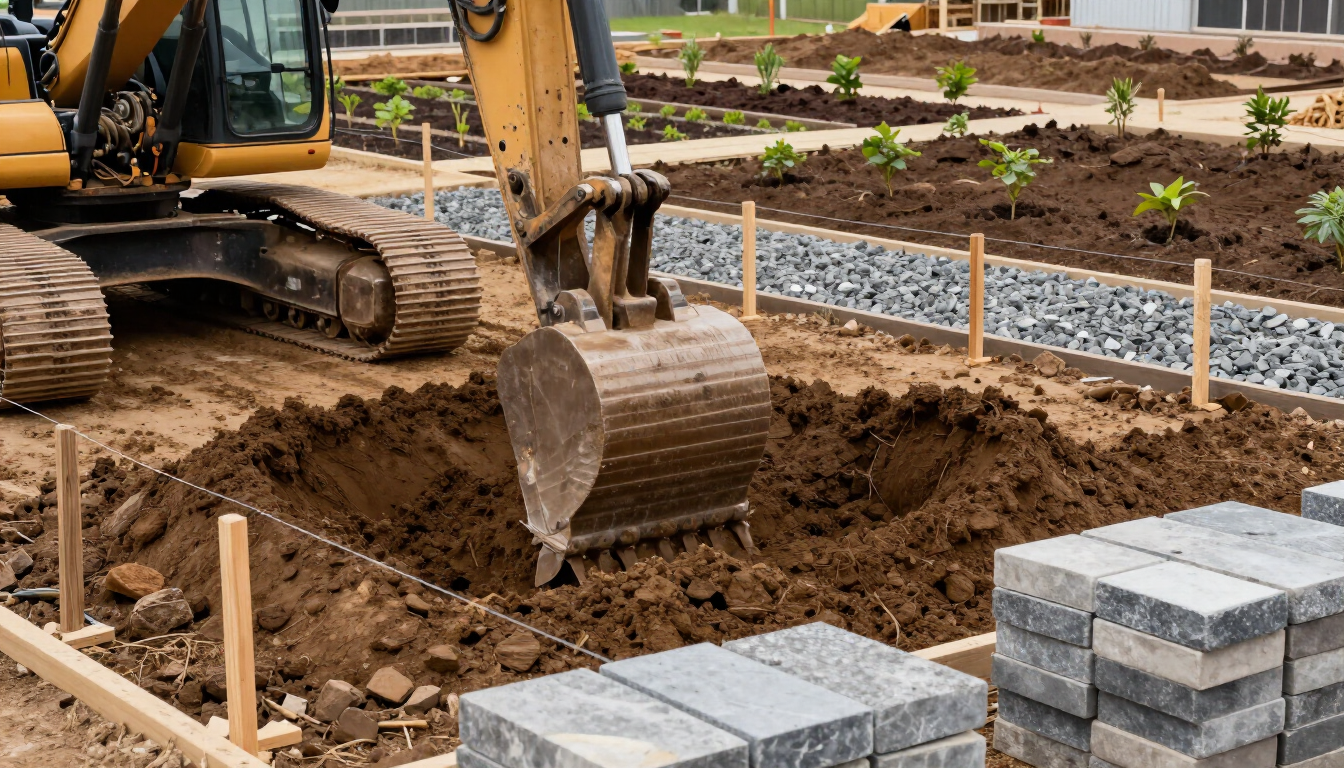
The G&G Standard: When we clear a house seat, we grub the stumps. We use an excavator to rip the entire root ball out of the ground. We remove all organic material from the build site. We then backfill those holes with clean, compactable dirt. We build on solid earth, never on organic waste.
Water Management: The Silt Fence
If you drive by any construction site, you see that black fabric fence running along the bottom of the hill. That is a Silt Fence.
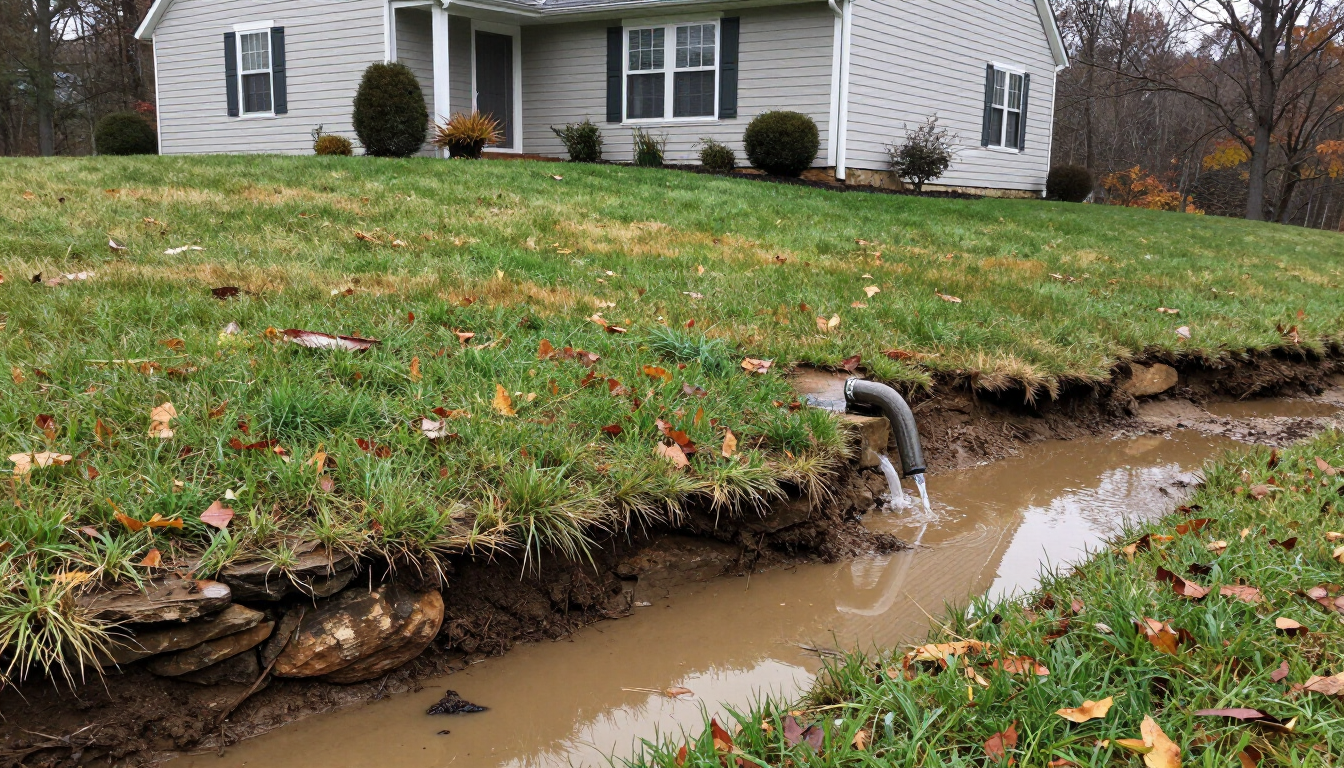
When we strip the vegetation, we expose bare soil. If it rains, that mud washes downhill.
- Legal Requirement: The Virginia DEQ takes sediment pollution seriously. If mud washes off your property into a neighbor's creek or a public road, you can face massive fines.
- Our Job: We install silt fences and construction entrances (a pad of #1 stone that scrubs mud off truck tires) before we start digging. This keeps your site compliant and your neighbors happy.
The "Rough Grade": Shaping the Land
Once the trees and stumps are gone, the land looks like a battlefield of holes and dirt piles. Now, we switch to "Grading Mode."
Stripping Topsoil
We scrape off the top 4-6 inches of dark, organic topsoil.
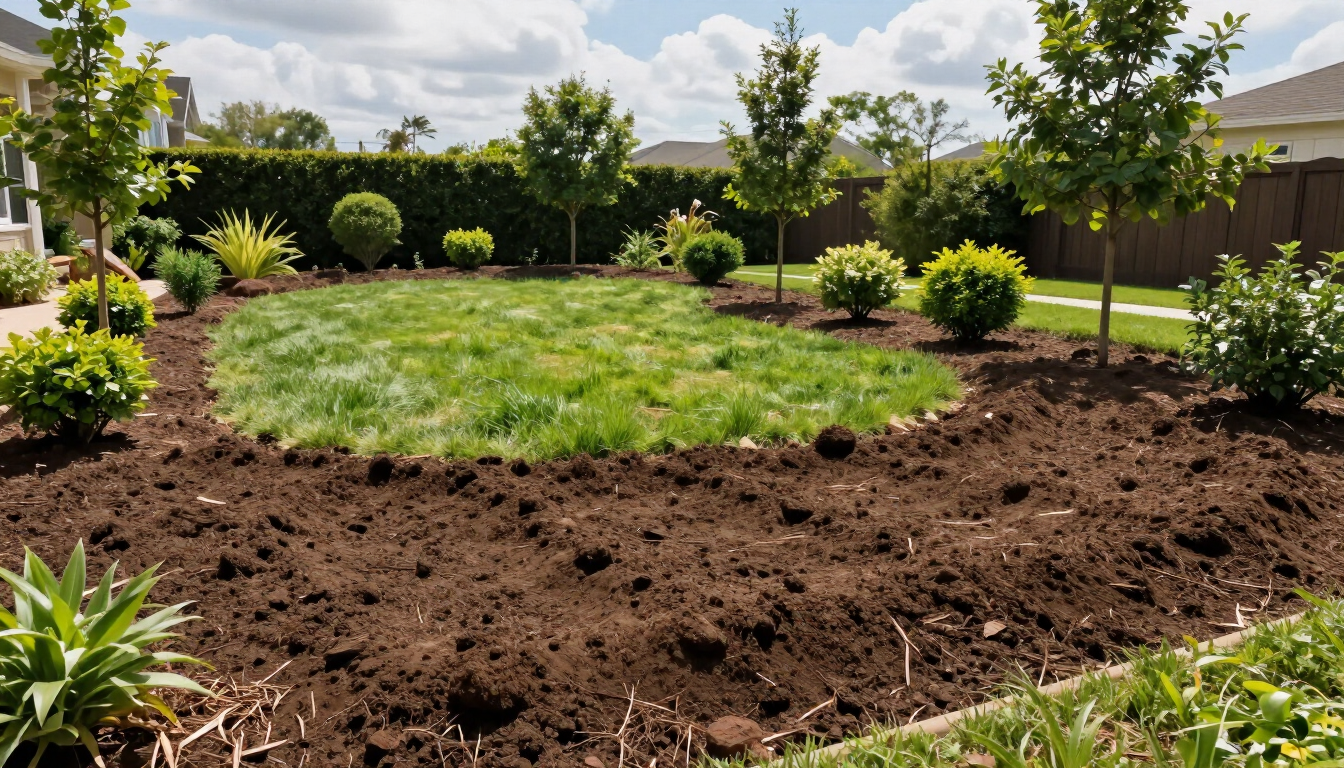
- Why? You cannot build a foundation on topsoil. It is too soft and spongy. We stockpile this good dirt off to the side to be used later for your lawn and garden.
Leveling the Pad
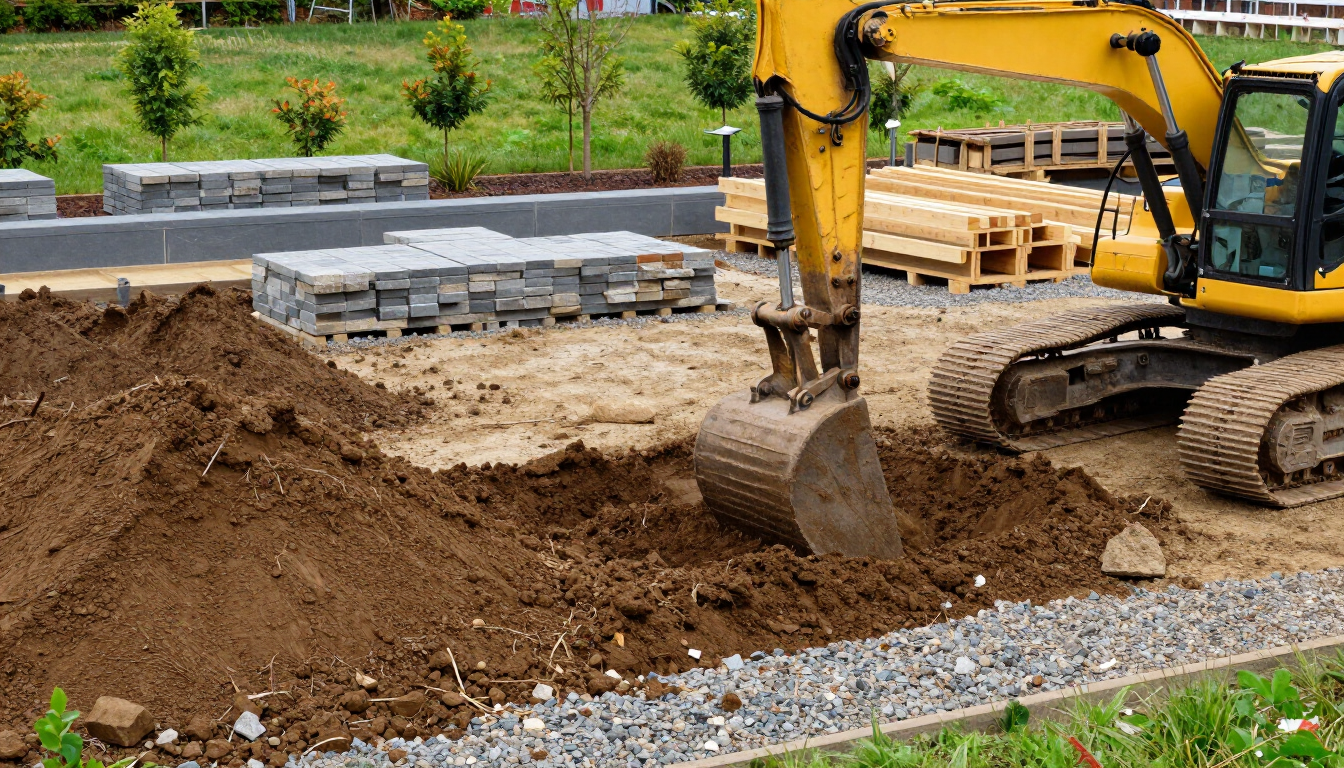
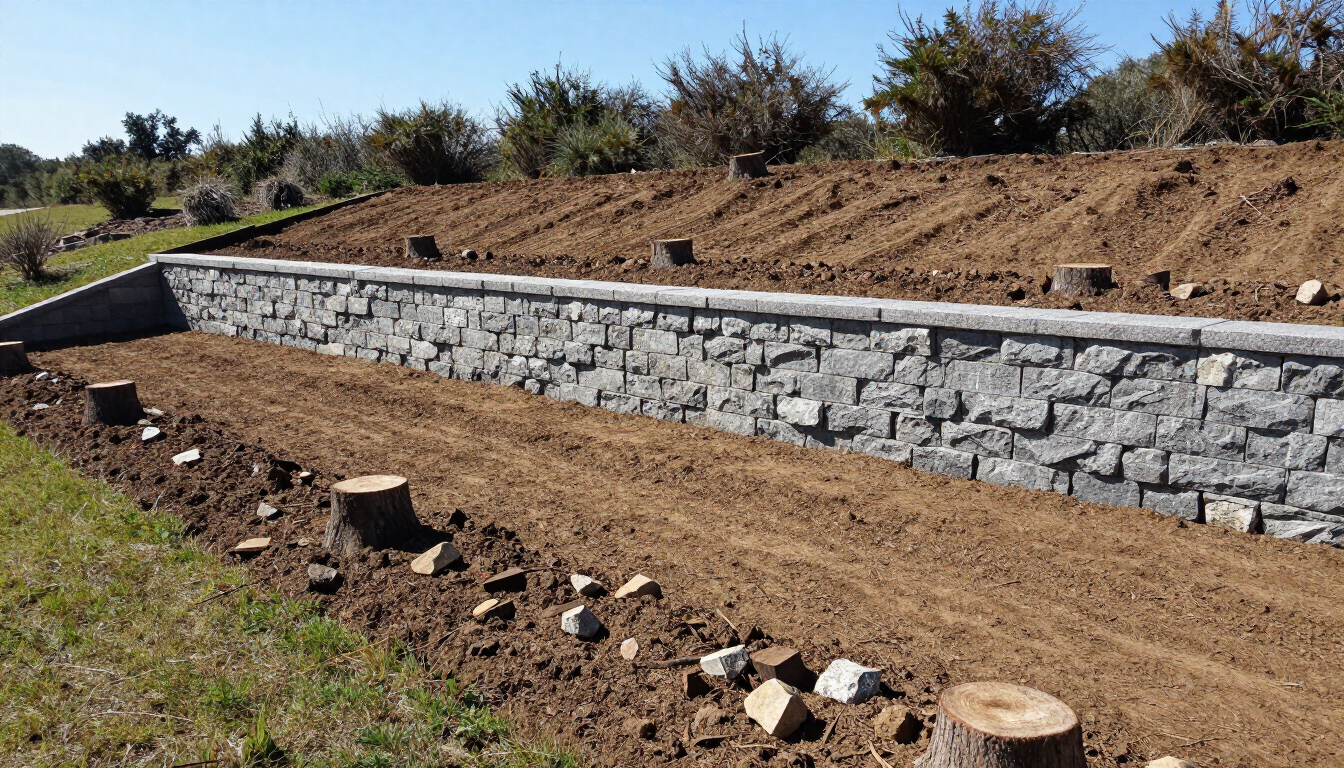
We cut down the high spots and fill in the low spots to create a perfectly flat building pad.
- Compaction: As we spread dirt, we run over it with heavy rollers. We test the compaction to ensure it can support the weight of concrete footings.
Positive Drainage
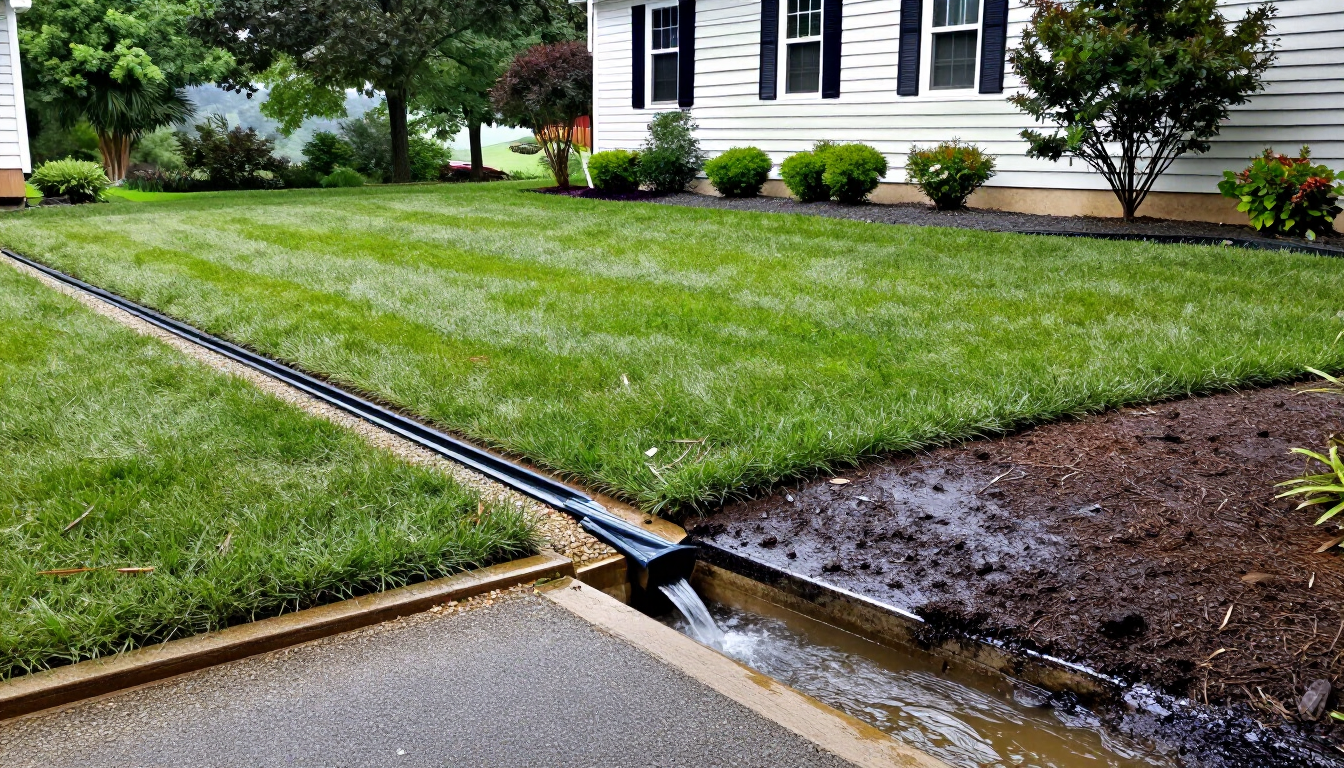
We grade the land around the future house to ensure water flows away from the foundation.
- The Rule: The ground should drop at least 6 inches within the first 10 feet of the house. This prevents the "wet basement" nightmare before the house is even built.
Conclusion: The First Step is the Most Important
Building a home is a marathon. Land clearing is the starting gun. If you start with a messy, poorly graded, or stump-filled lot, the rest of the project will struggle.
At G&G Excavating, we don't just knock down trees; we engineer the earth. We prepare the canvas so your builder can create a masterpiece.
Do you have a lot in Louisa, Madison, or Orange that needs clearing? Stop looking at the briars and start picturing your front porch.
Contact G&G Excavating today for a site consultation and let’s break ground.