Planning a Pond on Your Property in Madison, VA: What to Consider Before Excavation
A pond can add visual interest and create a distinctive feature on a residential or rural property. However, building one involves more than choosing a location and digging. Proper planning, site evaluation, and excavation preparation all play important roles in the project.
For property owners in Madison, VA, understanding the land and its natural conditions before starting pond construction can help create a more practical plan. From evaluating the terrain to considering water management, several decisions should be made before excavation begins.
1. Evaluate Your Property Before Choosing a Pond Location
The first step in planning a pond is understanding the property where it will be built.
The shape of the land, existing vegetation, soil conditions, and surrounding features can all influence where a pond may be suitable.
Before selecting a location, consider:
- Property elevation: Changes in elevation can influence how water moves across the site.
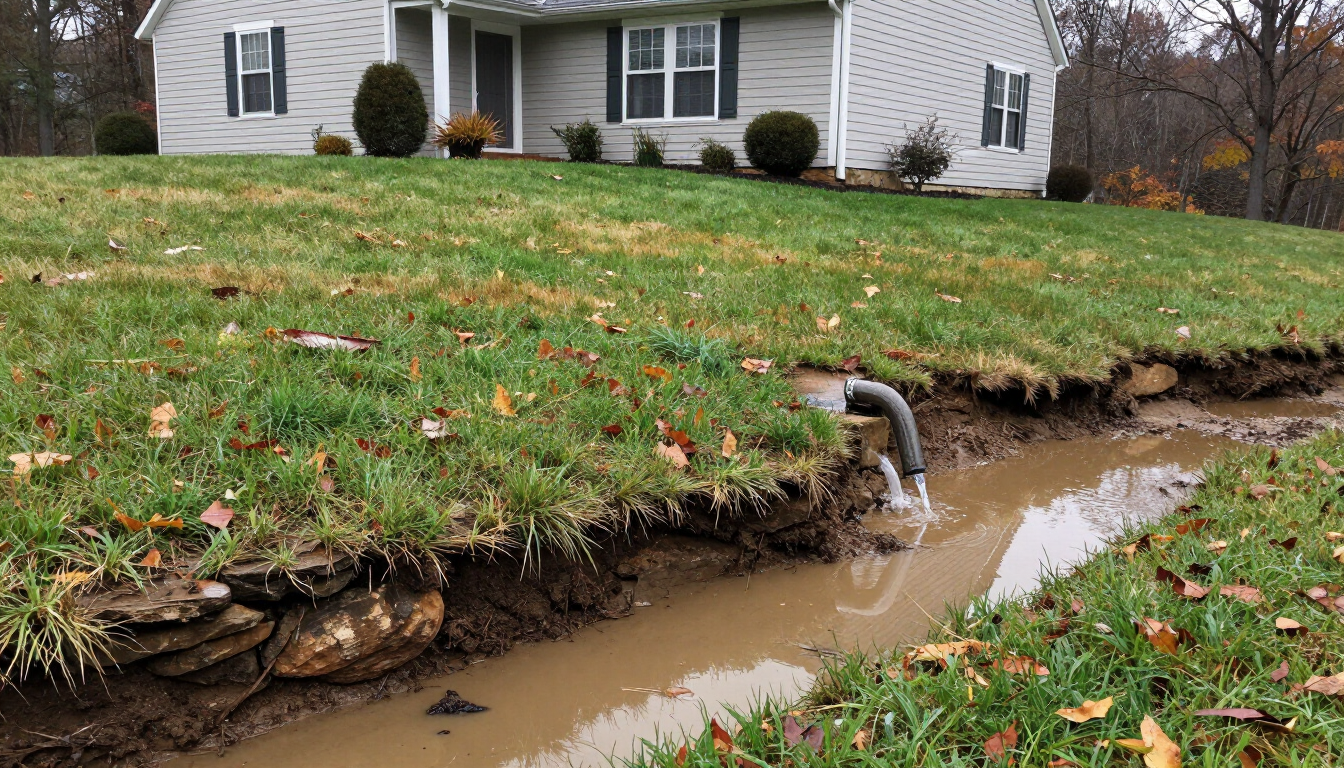
- Existing drainage: Observe where rainwater naturally flows and whether the proposed location experiences excessive runoff.
- Nearby structures: Consider the distance from homes, driveways, outbuildings, and other improvements.
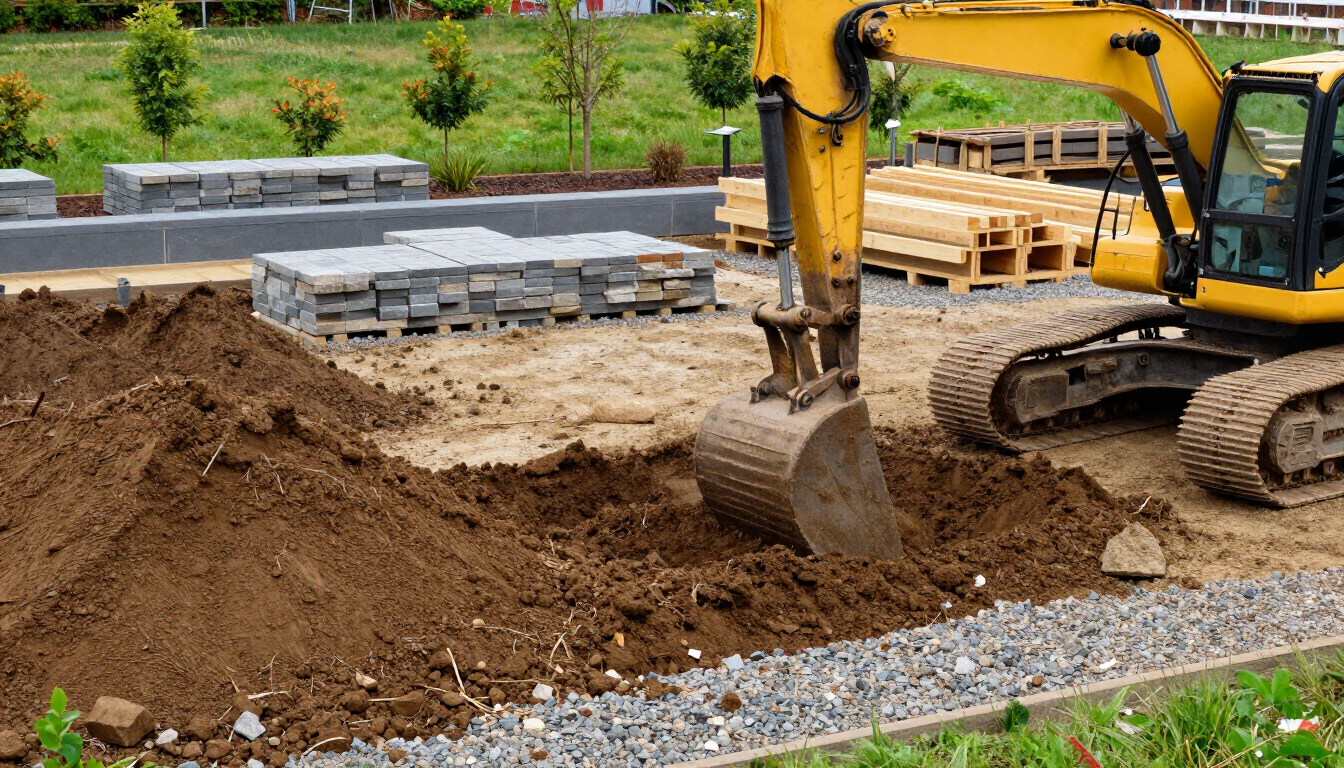
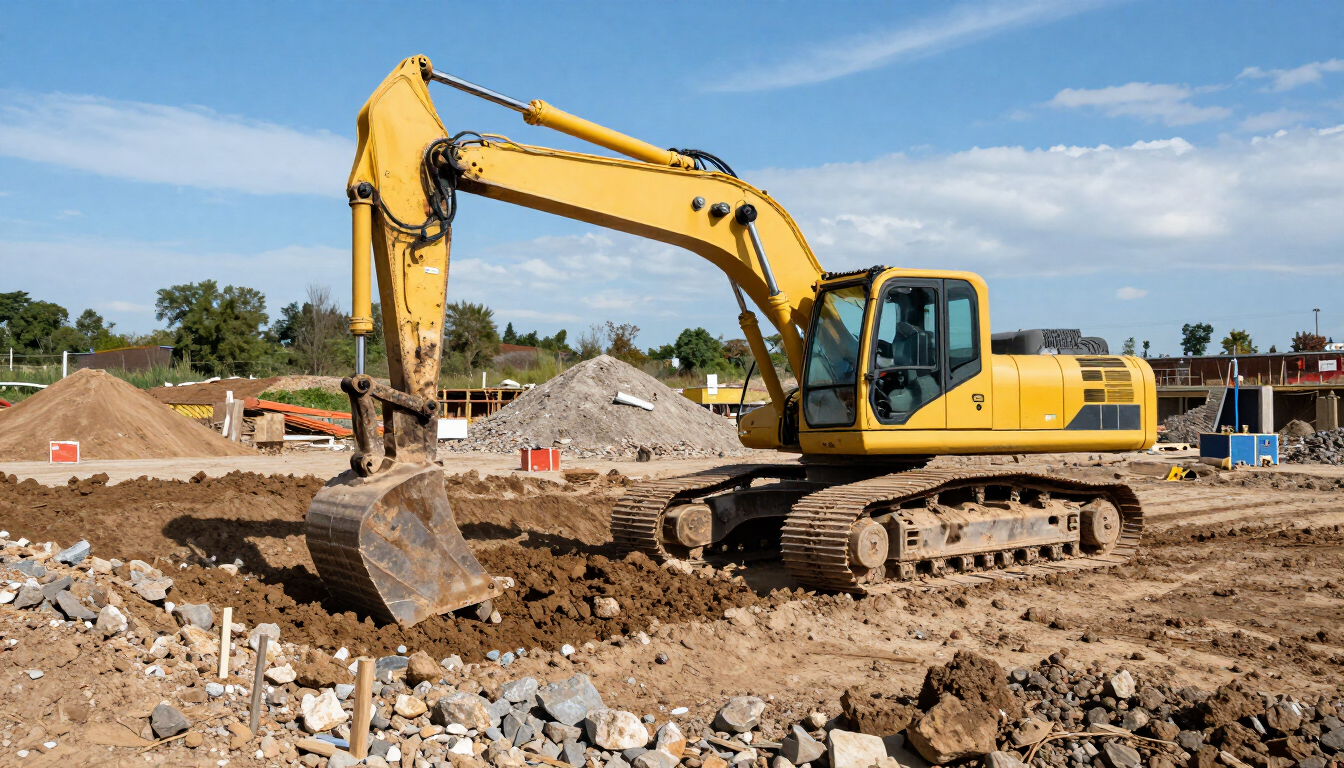
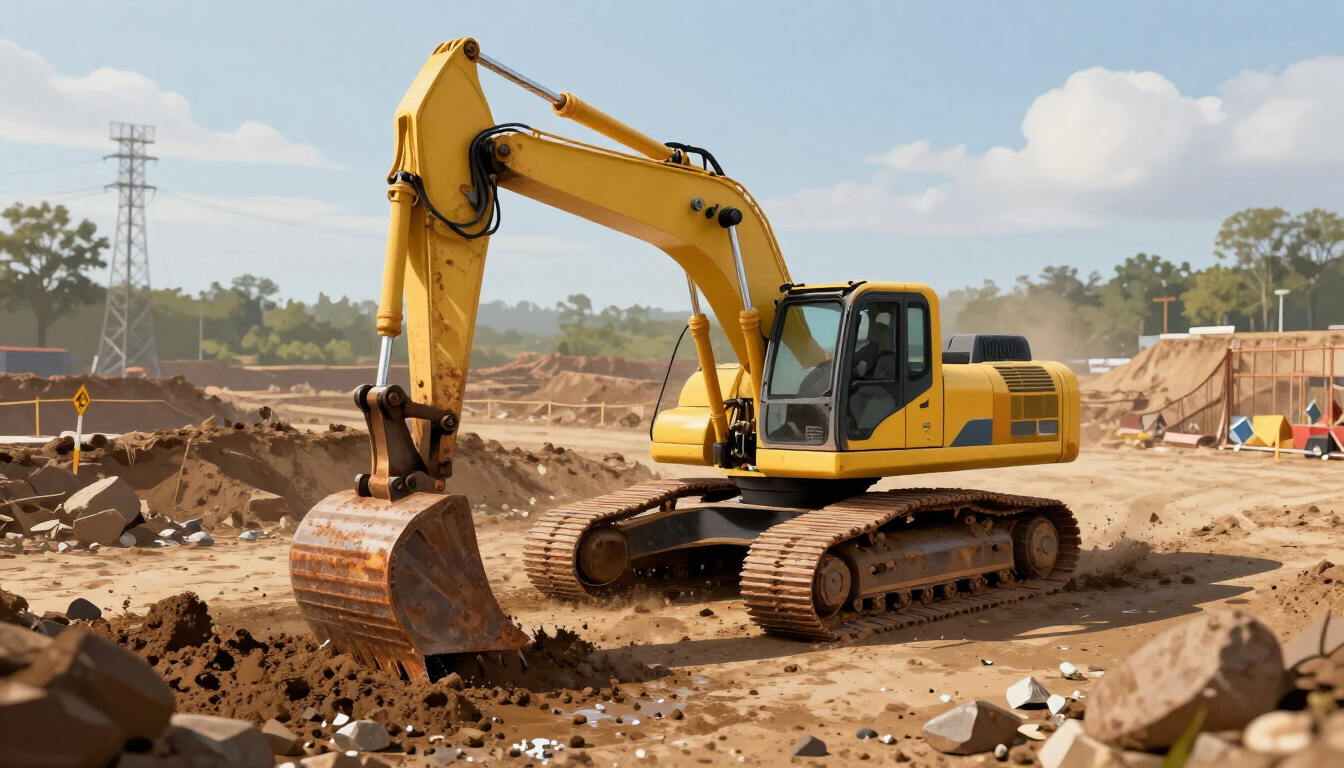
- Access for equipment: Excavation equipment needs sufficient room to reach and work within the proposed area.
- Existing trees and vegetation: Identify vegetation that may need to be considered during site preparation.
A careful site evaluation helps identify potential challenges before excavation work begins.
2. Understand Soil and Ground Conditions
Soil conditions are an important consideration when planning a pond.
Different soil types have different drainage and water-retention characteristics. For example, clay-rich soils generally retain water differently from sandy or gravelly soils.
Understanding the ground conditions can help determine whether the proposed location is suitable and whether additional planning may be necessary.
Depending on the property, soil evaluation may help identify:
- Soil composition
- Existing drainage patterns
- Areas with excessive water movement
- Potential excavation challenges
- Whether additional water-retention measures may be needed
A site-specific evaluation is important because conditions can vary considerably from one property to another.
3. Plan the Pond's Size, Shape, and Depth
The intended purpose of the pond should guide its overall design.
Some property owners want a pond primarily for visual appeal, while others may have a specific recreational or property-use goal.
Before excavation, consider:
- Pond Size: The available space and intended use will influence the appropriate dimensions.
- Pond Shape: A natural-looking outline may complement a rural landscape, while a more defined shape may suit a different property design.
- Pond Depth: Depth requirements depend on the intended use, site conditions, and design considerations.
- Surrounding Space: Allow room for access, maintenance, and the landscaping features you may want to add later.
Planning these details early helps establish a clearer scope for the excavation project.
4. Consider Drainage and Water Management
Water movement is one of the most important factors in pond planning.
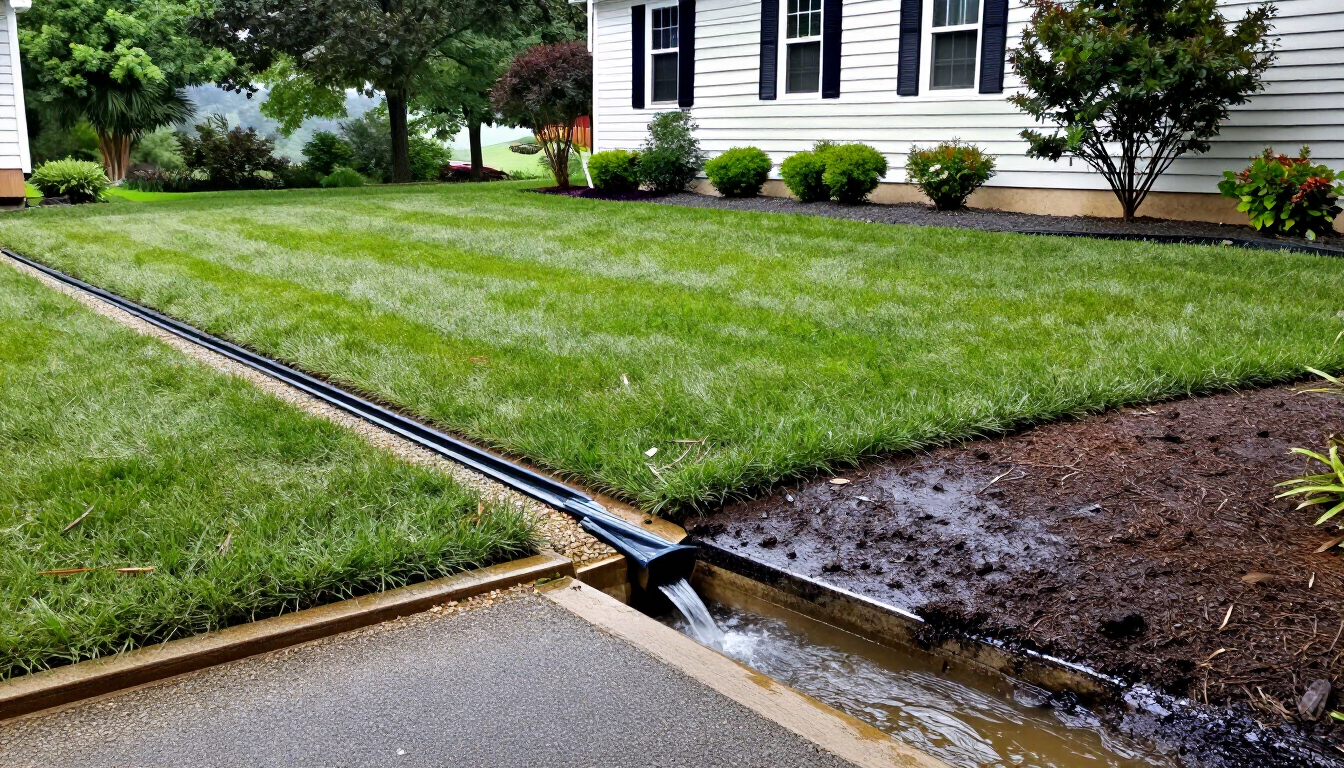
Rainfall, surface runoff, and surrounding land elevations can affect how water enters and leaves the proposed pond area.
Without proper planning, excessive runoff may carry sediment into the pond or create erosion concerns around its edges.
Consider these questions before construction:
- Where will water naturally flow across the property?
- Will the proposed pond receive runoff from nearby slopes?
- Is there a suitable plan for managing overflow?
- Could nearby structures or access areas be affected by changes in water movement?
- Are additional drainage considerations necessary?
A well-planned pond should account for both normal water conditions and periods of heavy rainfall.
5. Prepare the Site Before Excavation Begins
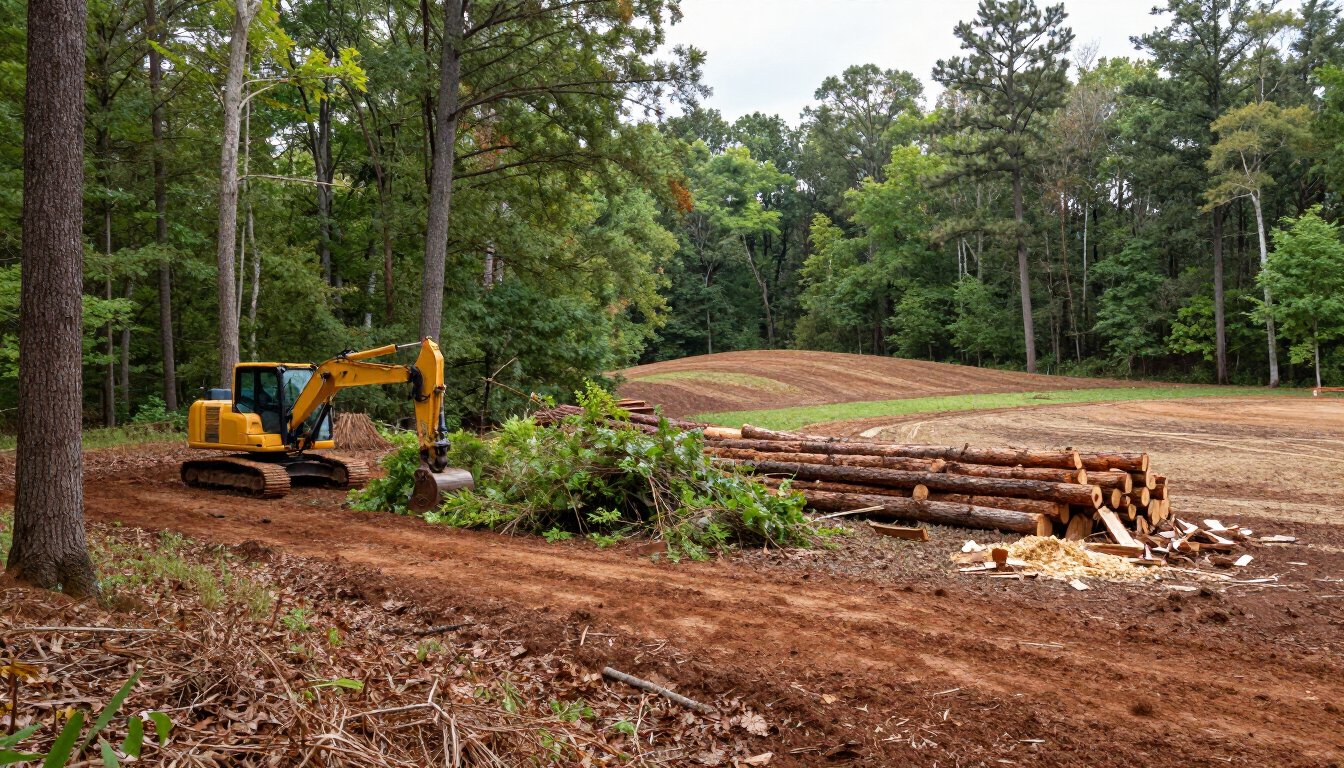
Once the location and general design have been established, the property may need preparation before excavation.
Depending on the site, preparation can involve:
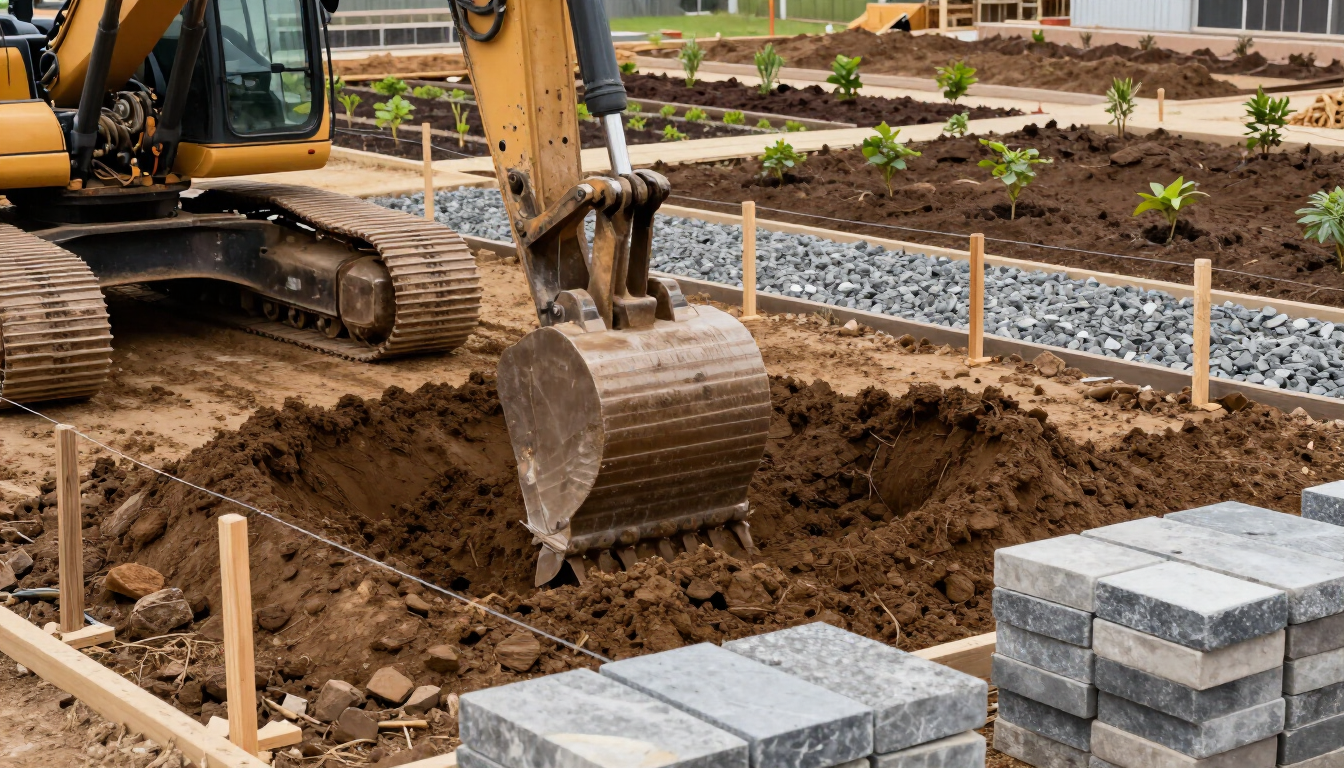
- Identifying and marking the proposed pond boundaries
- Evaluating vegetation within the work area
- Planning equipment access
- Identifying underground utilities before digging
- Reviewing grading and drainage requirements
- Determining how excavated soil will be handled
Utility locating and any necessary permits or environmental approvals should be addressed before excavation starts. Requirements vary depending on the property and project location.
Taking care of these details helps make the construction process more organized.
6. Think About the Landscape Around Your Pond
A pond should complement the surrounding property rather than feel disconnected from it.
Consider how the finished feature will fit into the existing landscape.
Some possibilities include:
- Natural-looking vegetation around selected sections of the pond
- Defined access areas
- Complementary landscaping features
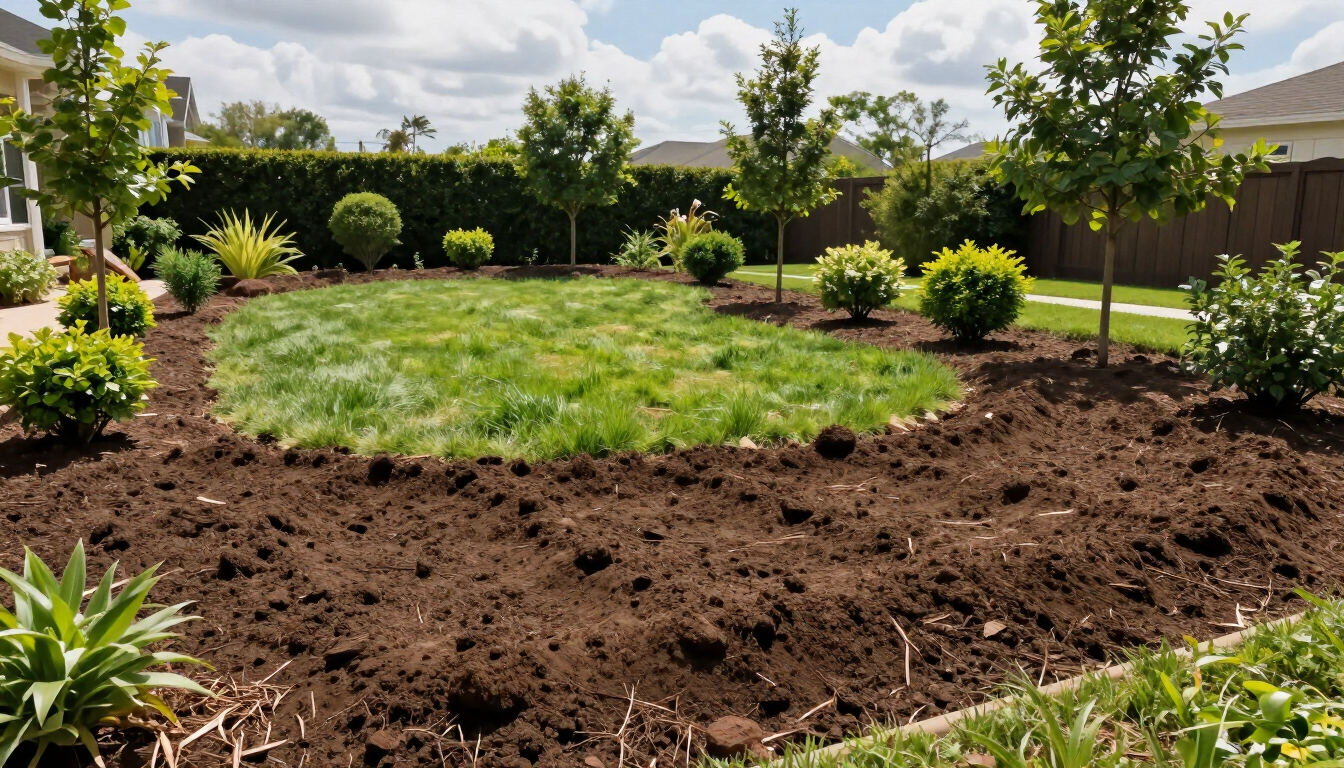
- A transition between the pond and surrounding lawn
- Appropriate grading around the perimeter
These details can help integrate the pond into the property's overall layout.
Planning the surrounding landscape before excavation can also help avoid unnecessary changes later.
Common Pond Planning Mistakes to Avoid
Before starting a pond project, be aware of several common planning oversights:
- Choosing a location without evaluating drainage: Natural water movement can affect pond performance.
- Ignoring soil conditions: Not all sites are equally suitable for water retention.
- Underestimating equipment access: Limited access can complicate excavation work.
- Overlooking local requirements: Permits, utility locating, and environmental considerations may apply.
- Planning only the pond itself: The surrounding landscape and future maintenance should also be considered.
Taking time to address these details can help establish realistic expectations for the project.
Pond Excavation Services in Madison, VA
Creating a pond requires thoughtful preparation and an understanding of the property's existing conditions. Evaluating the site, planning the layout, and considering drainage before excavation can help establish a stronger foundation for the project.
G&G Excavating & Landscaping provides excavation and pond-related services for property owners in Madison, VA, and surrounding service areas. Whether you're considering a new pond or planning improvements to your property, having the site evaluated is an important first step.
Contact G&G Excavating & Landscaping today to discuss your pond project and excavation needs in Madison, VA.