
Why Your Gravel Driveway Keeps Washing Out (And How to Fix It)
Living in the beautiful, rural landscapes of Central Virginia often means relying on a long, winding gravel driveway to reach your home. When properly installed, a gravel driveway is incredibly durable, cost-effective, and perfectly complements a rustic aesthetic.
However, when a gravel driveway fails, it becomes a daily nightmare. After the heavy spring rains and intense summer thunderstorms roll through Orange and Louisa counties, many homeowners find themselves navigating a treacherous obstacle course of deep washouts, massive puddles, and axle-breaking potholes just to get to their garage.
The typical homeowner response is to drive to the local hardware store, buy a few bags of loose gravel, and dump them directly into the potholes. Yet, after the very next rainstorm, that new gravel washes completely away, and the pothole returns deeper than before.
At G&G Excavating & Landscaping, we specialize in heavy earth-moving and structural driveway installations. If you are tired of wasting weekend after weekend trying to patch your driveway, here is the science behind why your driveway is failing and how professional grading fixes it permanently.
1. The Enemy of Gravel is Standing Water
The root cause of almost every single driveway failure is poor water management. When water is allowed to sit on the surface of your driveway, it softens the underlying dirt and aggregate.
When you drive your heavy car or truck through that standing water, the immense pressure of your tires forces the water downward into the soil, while simultaneously blowing the loose gravel and mud outward. Every single time a tire rolls through that puddle, the hole is excavated just a little bit deeper. This process is called "hydraulic pumping," and it is the exact mechanism that creates massive, crater-like potholes. If you do not control where the water flows, you will never control the potholes.
2. Why DIY "Top-Dressing" Always Fails
When a pothole forms, the hard, compacted dirt underneath the loose gravel has physically deformed into the shape of a bowl.
When you dump fresh gravel into that hole (a process known as top-dressing), you are simply putting loose stones into a hard-packed bowl. You haven't fixed the drainage issue. The next time it rains, the bowl fills with water. The next time you drive over it, your tires violently eject the loose gravel right back out of the hole.
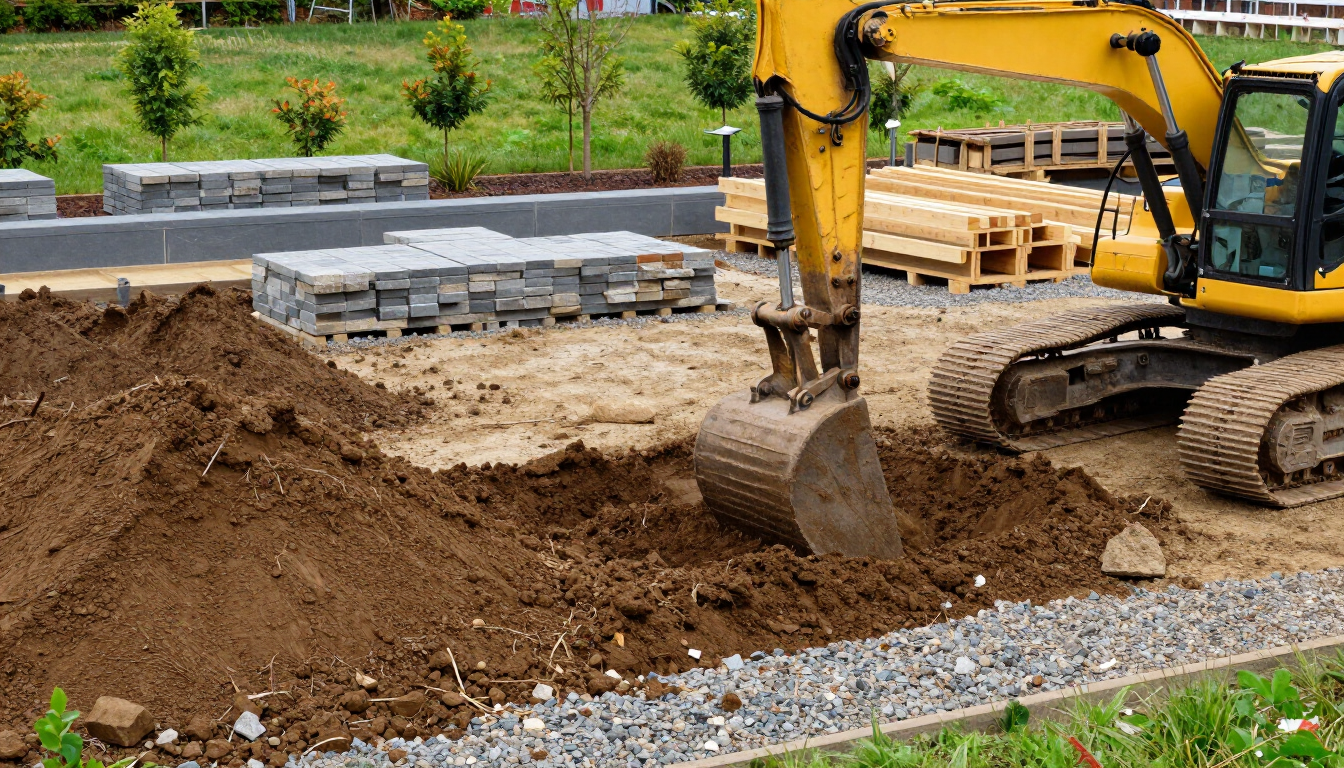
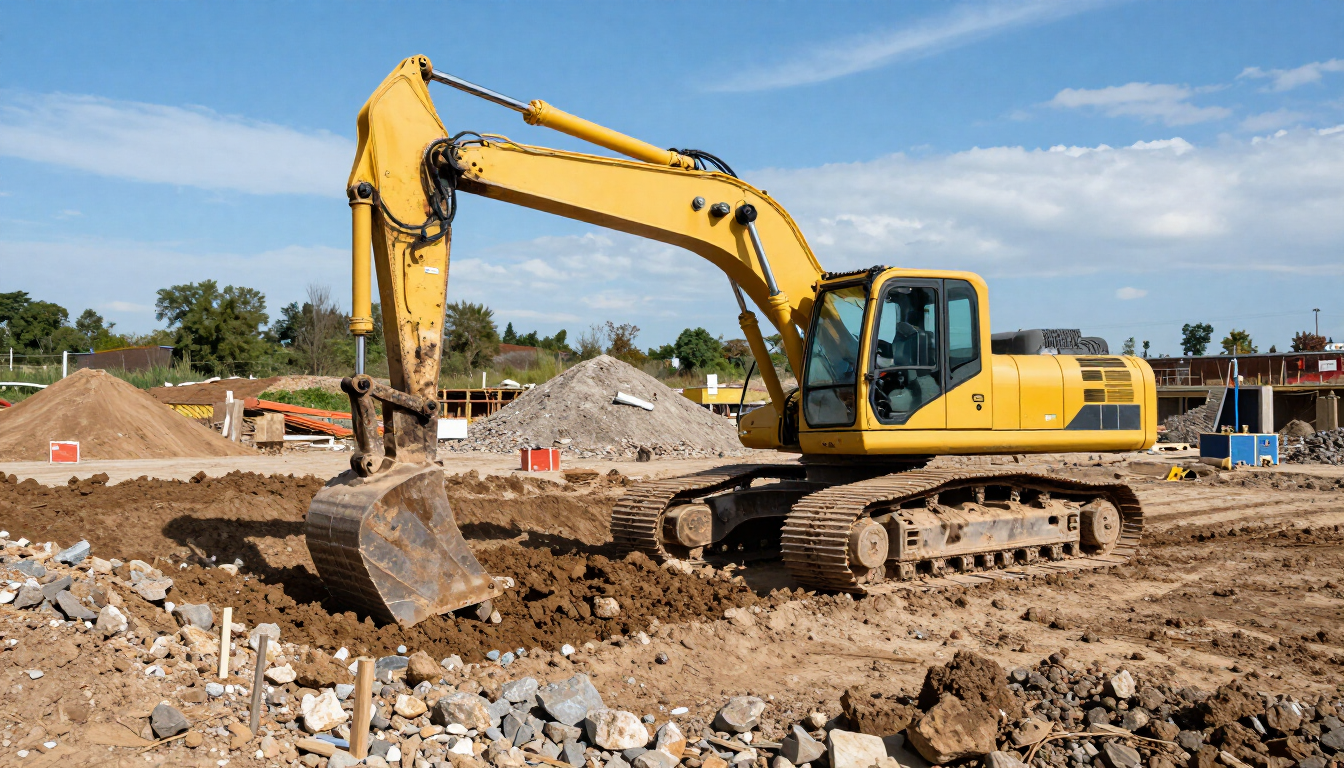
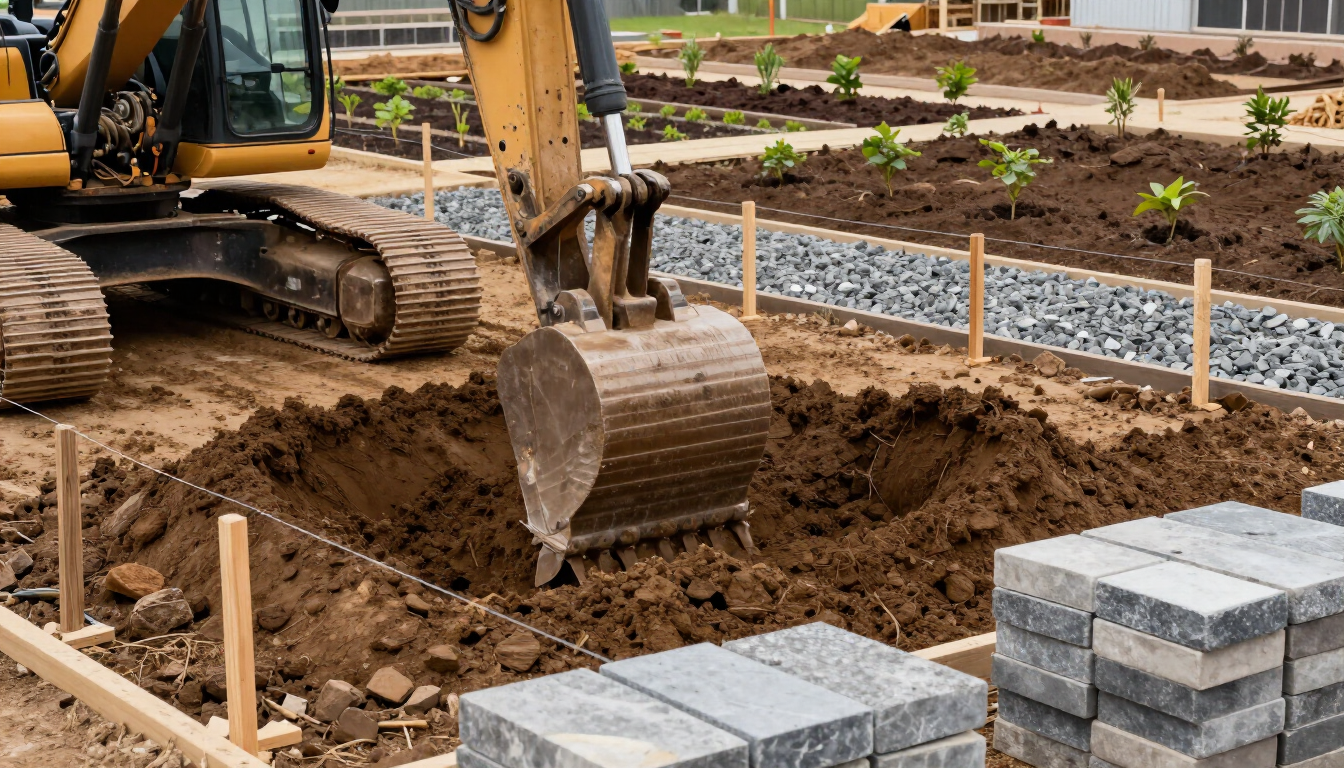
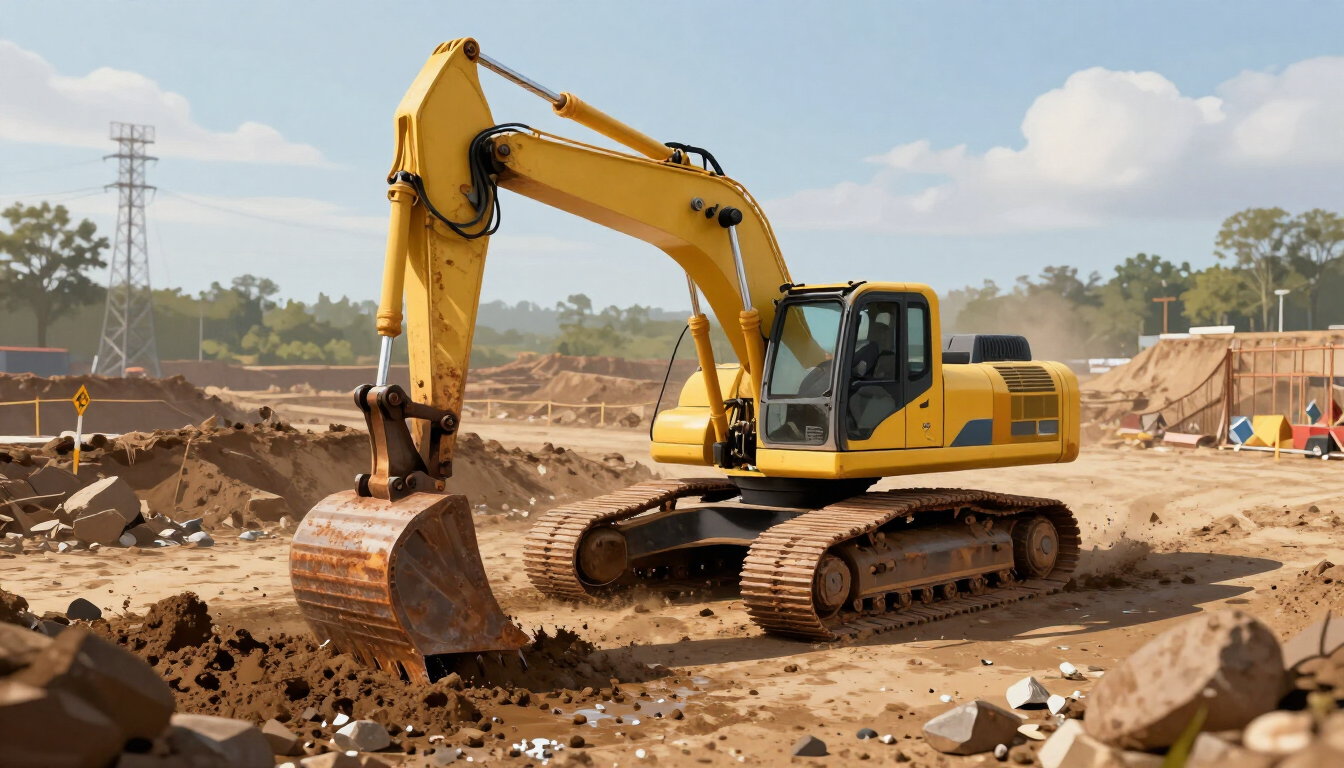
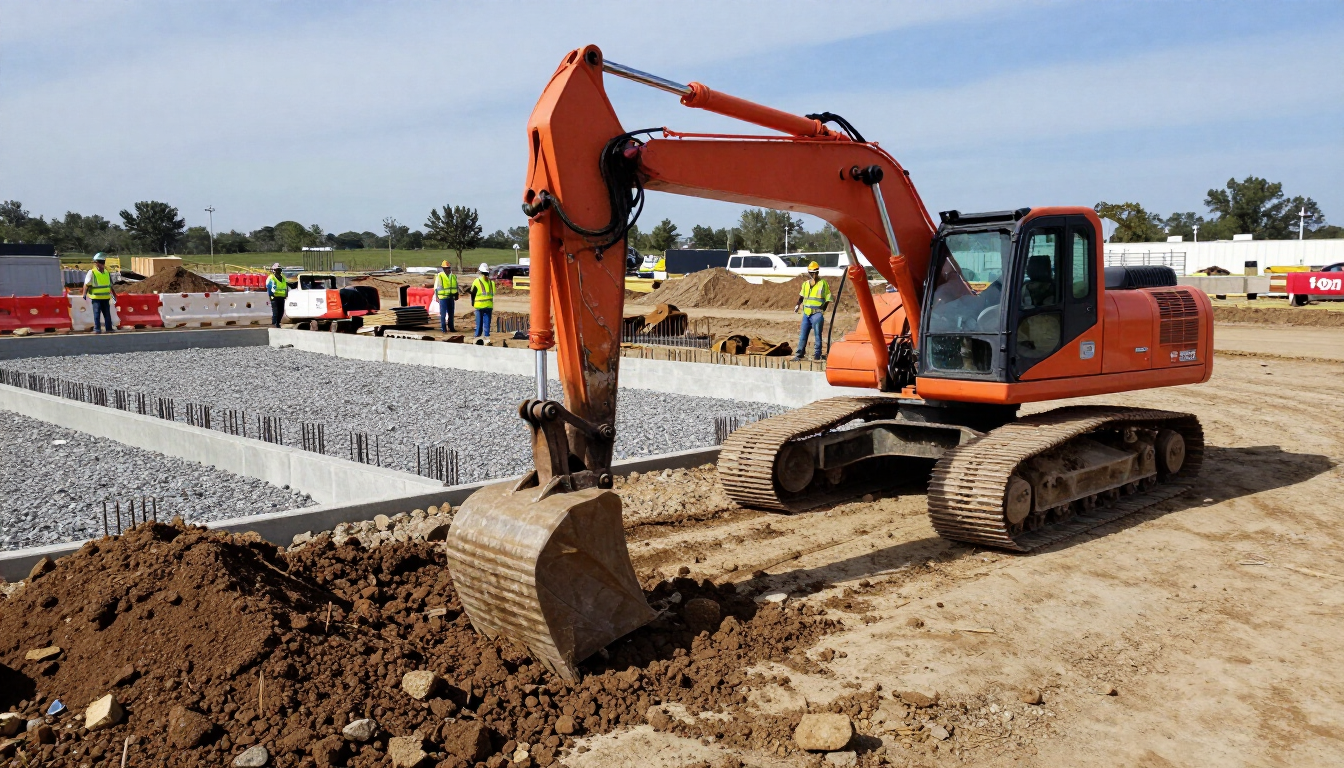
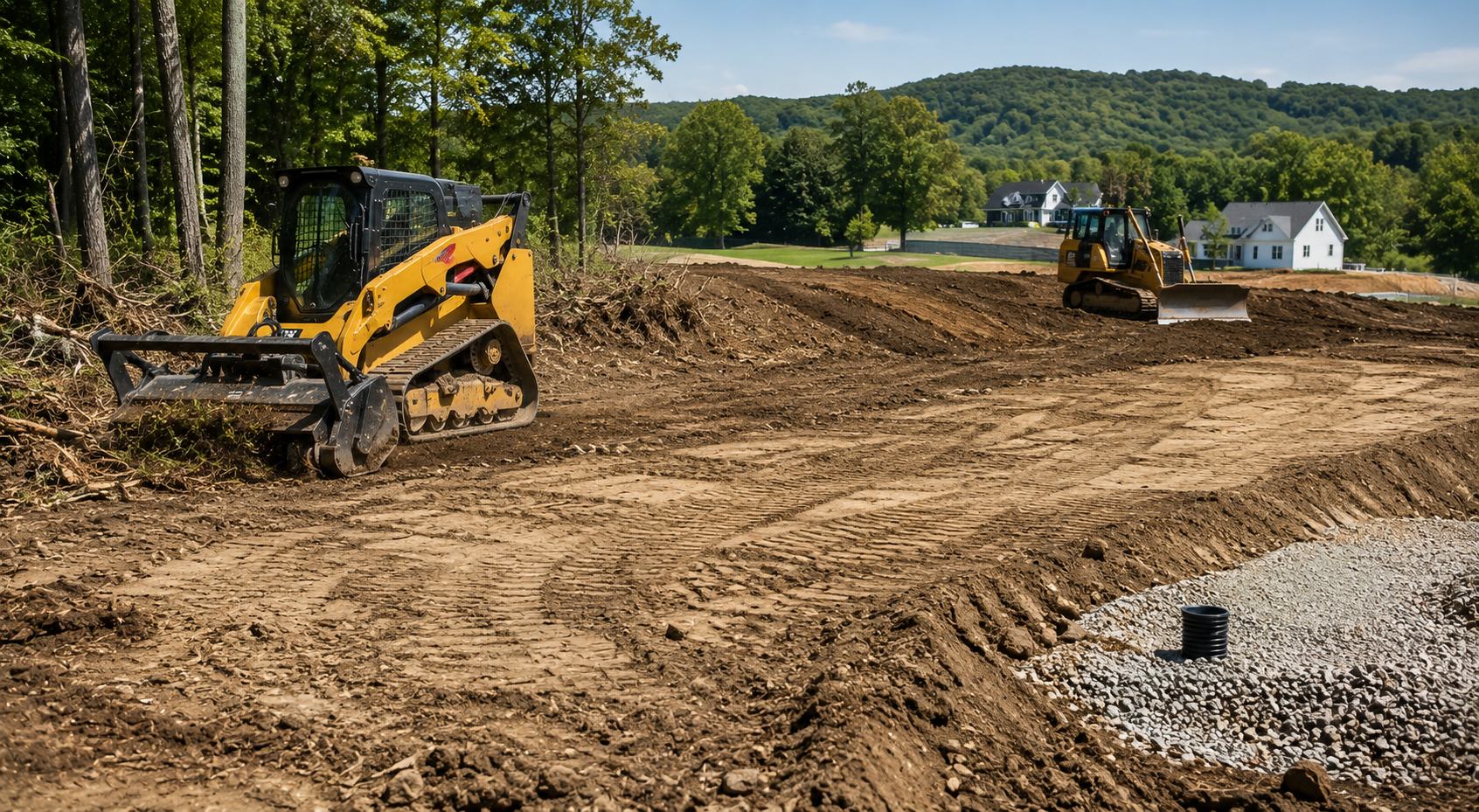
To permanently fix a pothole, you cannot just fill it. You have to use heavy excavation machinery with steel grading blades to physically rip up the entire surface of the driveway, completely destroying the hard-packed "bowl" and resetting the foundational layer of the earth.
3. The Importance of the "Crown"
A professional driveway is never completely flat. If it were flat, rainwater would simply sit on the surface and create mud.
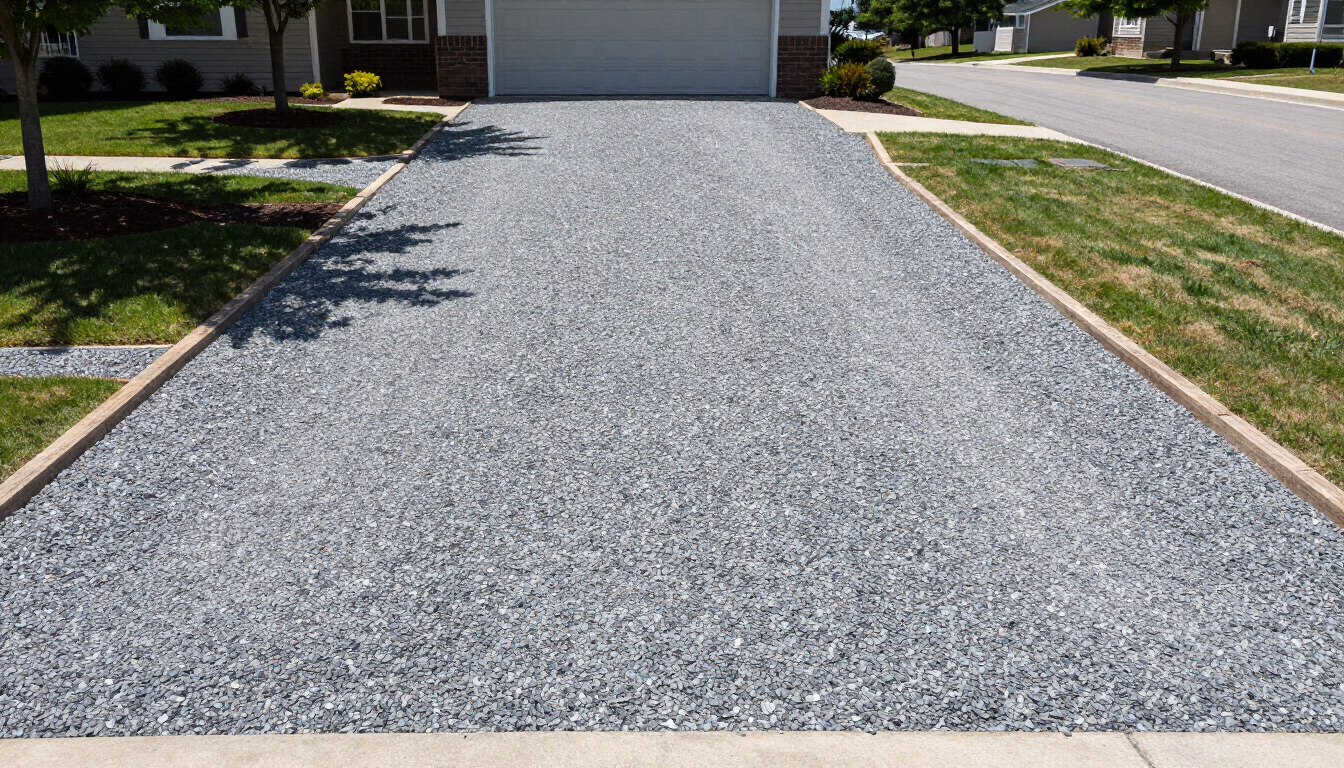
Instead, professional excavators use specialized grading equipment to sculpt the driveway so that the very center line is slightly higher than the left and right edges. This subtle, architectural slope is called the crown. A properly cut crown utilizes gravity to instantly shed rainwater off the sides of the driveway and into the adjacent grass or drainage ditches. By ensuring water never has the opportunity to pool on the driving surface, the threat of potholes and washouts is virtually eliminated.
4. Choosing the Right Aggregate Base
Not all gravel is created equal. A massive mistake homeowners make is requesting smooth, round "river rock" for their driveway because they like how it looks. Because river rock is perfectly round, the stones never lock together. Driving on it feels like driving through a pit of marbles, and the stones will constantly migrate off the driveway and into your lawn.
A professional, heavy-duty driveway requires crushed, angular stone—often referred to as "crusher run" or VDOT-approved aggregate base material. This specific mixture contains large jagged stones, medium stones, and a fine "stone dust." When this mixture is laid down and compressed with a heavy vibratory roller, the jagged edges lock together like puzzle pieces, while the stone dust acts like a cement binder. Once fully compacted, a proper aggregate base becomes almost as hard as concrete.
Build a Driveway That Lasts with G&G Excavating & Landscaping
Repairing a severely damaged gravel driveway requires much more than a shovel and a wheelbarrow. It requires a deep understanding of hydrology, soil mechanics, and the heavy machinery necessary to re-engineer the land.
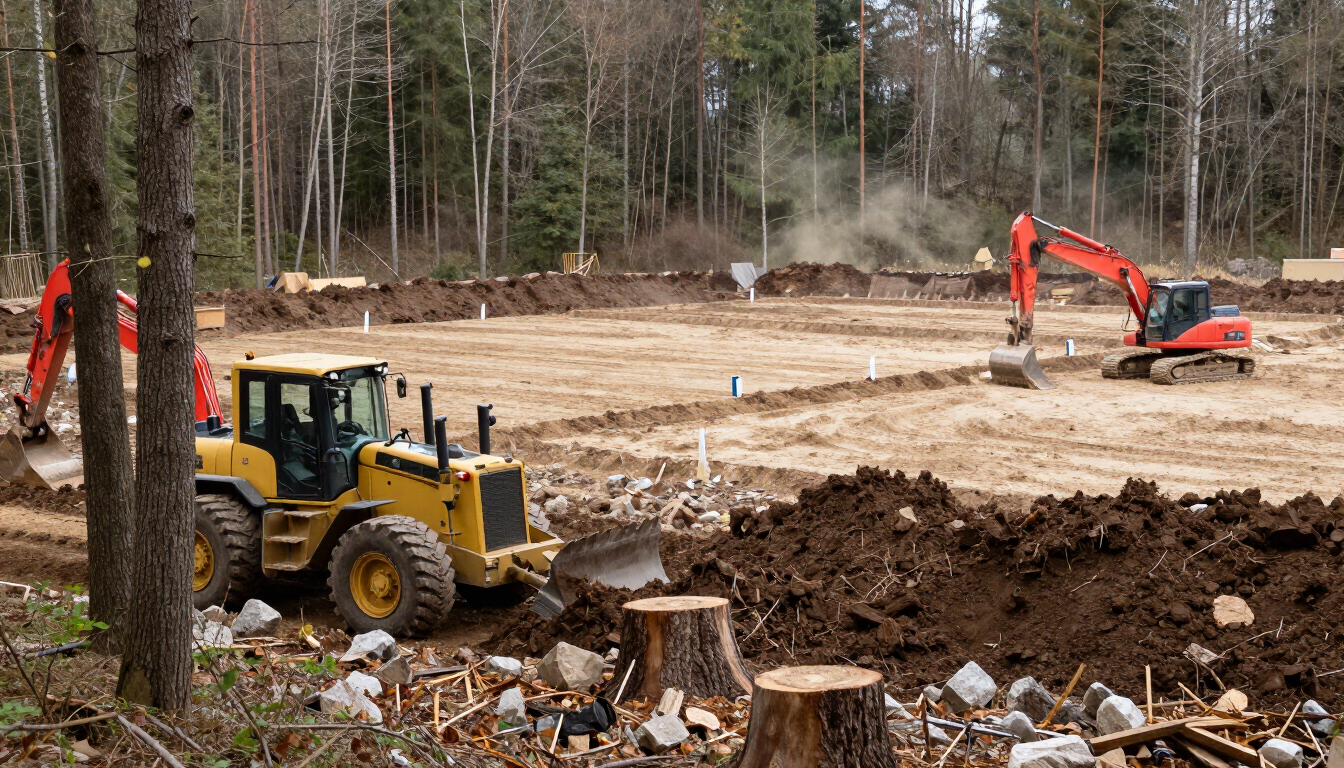
With over 23 years of specialized experience in earth-moving and structural grading, G&G Excavating & Landscaping brings the technical precision required to solve your driveway issues permanently. We don't just put a band-aid over your potholes; we rip the surface down to the sub-base, re-grade the crown, cut proper drainage swales, and compact premium crushed stone to create a flawless, durable driving surface.
We proudly provide land clearing, grading, and structural driveway installations for landowners across our priority regions:
- Orange, VA
- Louisa, VA
- Madison, VA
- Mitchells, VA
- Culpeper, VA
Stop throwing your money into a pothole. Contact
G&G Excavating & Landscaping today.